10 Creative LinkedIn Post Ideas to Boost Engagement in 2025
Why LinkedIn Post Strategy Matters More Than Ever in 2025 LinkedIn's reach crisis is real, and it's hitting your bottom line. According to recent algorithm anal...
Wilmer KarlssonTarstad
Why LinkedIn Post Strategy Matters More Than Ever in 2025
LinkedIn's reach crisis is real, and it's hitting your bottom line. According to recent algorithm analysis, organic visibility has dropped dramatically in 2025: views are down 50%, engagement fell 25%, and follower growth declined 59%. If you're posting the same generic content as everyone else, you're essentially invisible.
Here's what changed. LinkedIn's algorithm now ruthlessly filters for relevance and authentic expertise. The platform no longer rewards posts that chase vanity metrics; it rewards posts that spark real conversations and deliver actual value. This shift isn't a bug; it's intentional. LinkedIn wants meaningful engagement, not noise.
But here's the opportunity: members who share strategic, intentional content get 9 times more connection requests than passive lurkers. That's not a coincidence. It's proof that the right content strategy directly impacts your professional growth and business results.
The data backs this up. Recent analysis of over 577,000 posts shows that intentional creators are seeing increases in clicks (28%) and interactions (24%) compared to 2024. These aren't flukes; they're signals that strategic posting works.
The stakes are simple: either you adapt your LinkedIn strategy to what actually works in 2025, or you watch competitors capture the connections and opportunities meant for you. Generic posts won't cut it anymore. You need ideas that convert, frameworks that work, and a clear action plan to implement them.

Post Idea 1-3: Visual Storytelling That Stops the Scroll
Visual content stops scrolls, and LinkedIn's algorithm rewards it heavily. Here's what actually works.
Multi-Image Posts: The Engagement Champion
Multi-image posts achieve a 6.60% engagement rate, the highest of all formats. Stack 3-5 images that tell a story: behind-the-scenes team moments, step-by-step process breakdowns, or event highlights. Each image should stand alone visually while contributing to a larger narrative. This format works because it encourages people to pause, swipe through, and engage with each layer. Use them to showcase company culture, product launches, or customer success stories.
Carousel Posts: Algorithm Favorites
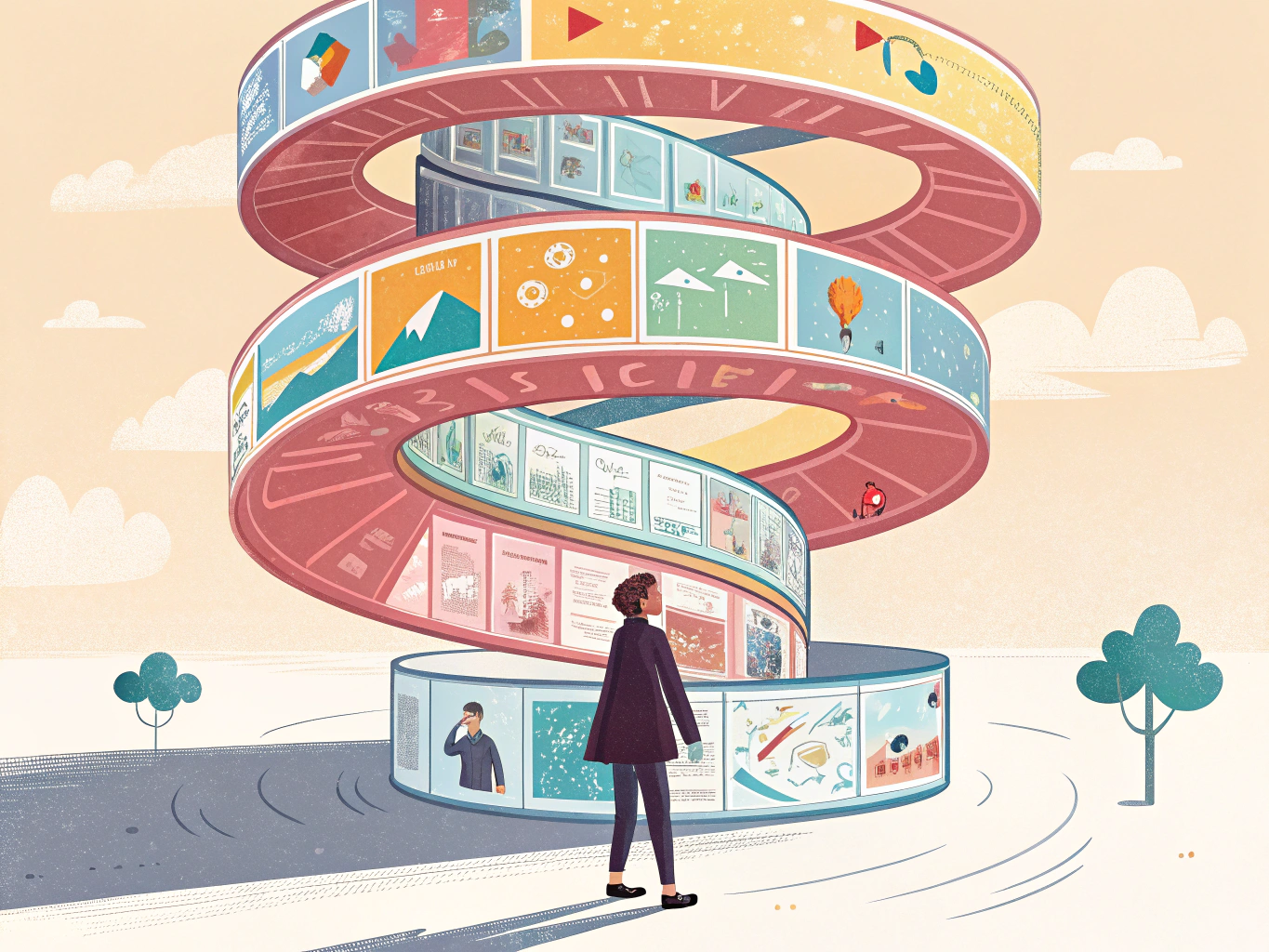
LinkedIn's algorithm actively promotes carousel posts because they keep people on the platform longer. Each slide is an opportunity to make a point, share data, or pose a question. The format naturally invites interaction, especially when you end with a call-to-action on the final slide. Try carousels for industry insights, numbered tips, before-and-after transformations, or detailed case studies. The key: design each slide for clarity, not density.
Video Content: The Lead Generation Engine
LinkedIn audiences are 20x more likely to share videos than any other post type. Upload videos natively, not as links; native uploads see a 69% performance boost. Aim for 30-90 seconds of focused content. Record talking head introductions, quick tips, customer testimonials, or industry commentary. Your first 4 seconds determine whether someone keeps watching, so lead with your strongest hook.
Post Idea 4-6: Thought Leadership and Authentic Storytelling
People connect with people, not corporations. That's why founder stories and authentic behind-the-scenes content are crushing it on LinkedIn right now.

When you share your journey, the wins and the failures, something shifts. Founder stories tap into emotional resonance and build trust, establishing the kind of credibility that leads to genuine business opportunities. Instead of broadcasting what you do, show how you got there. What problem frustrated you enough to build a solution? What did you learn the hard way?
Thought leadership content addressing real industry challenges reaches larger audiences in 2025 because people are hungry for insights, not hype. Share your take on emerging trends, counterintuitive observations, or frameworks you've developed. The algorithm now prioritizes original thinking and actionable advice over generic motivational content.
Behind-the-scenes posts do the heavy lifting of humanization. A quick snapshot of your team collaborating, your workspace, or your actual process removes the corporate veil. People engage with authenticity because it's rare.
Here's the multiplier effect: comments on high-performing posts can increase reach by 15x. So craft posts that spark conversation. End with a genuine question. Respond to comments within the first hour. When your audience feels heard, they become your amplifiers.
Two types of content typically win for lead generation: educational and thought leadership. Combine them. Share knowledge from your experience, tell the story behind why you believe it, and watch engagement compound. That's how you build authority that converts.
Post Idea 7-8: Engagement and Conversation Starters
Here's the section:
Stop broadcasting into the void. The fastest way to break through LinkedIn's noise is to start a conversation, and polls are your secret weapon. Latest benchmarks show that polls jumped to a 4.40% engagement rate, doubling the engagement they generated in 2023. That's not a coincidence; it's the algorithm rewarding you for keeping people on the platform.
Question-based posts work similarly. When you ask something genuine, you're giving your audience permission to think out loud. Comments signal to LinkedIn that your content matters, which means wider distribution and more visibility for your profile.
Here's what makes this strategy work: engagement-focused posts aren't just about vanity metrics. They're about building community and gathering real market intelligence simultaneously. Ask your audience about their biggest challenge this quarter. Poll them on which trend they're watching most closely. Request their opinion on industry shifts. You're not just creating content; you're conducting research while boosting your reach.
Specific templates to try:
"What's your biggest [pain point] right now: [Option A], [Option B], [Option C], or [Option D]?"
"Unpopular opinion: [Statement]. Agree or disagree?"
"The best [skill/tool/strategy] for [outcome] is... (comment your answer)"
The beauty of this approach is that meaningful conversations become content gold. You'll uncover what your audience actually cares about, identify common pain points worth addressing in future posts, and build genuine connections that convert to opportunities.
Start small. Test one poll this week. Watch how the comments roll in and how the algorithm responds. This isn't about being clever; it's about being genuinely curious about the people you're trying to reach.
Post Idea 9-10: Educational Content and Industry Insights
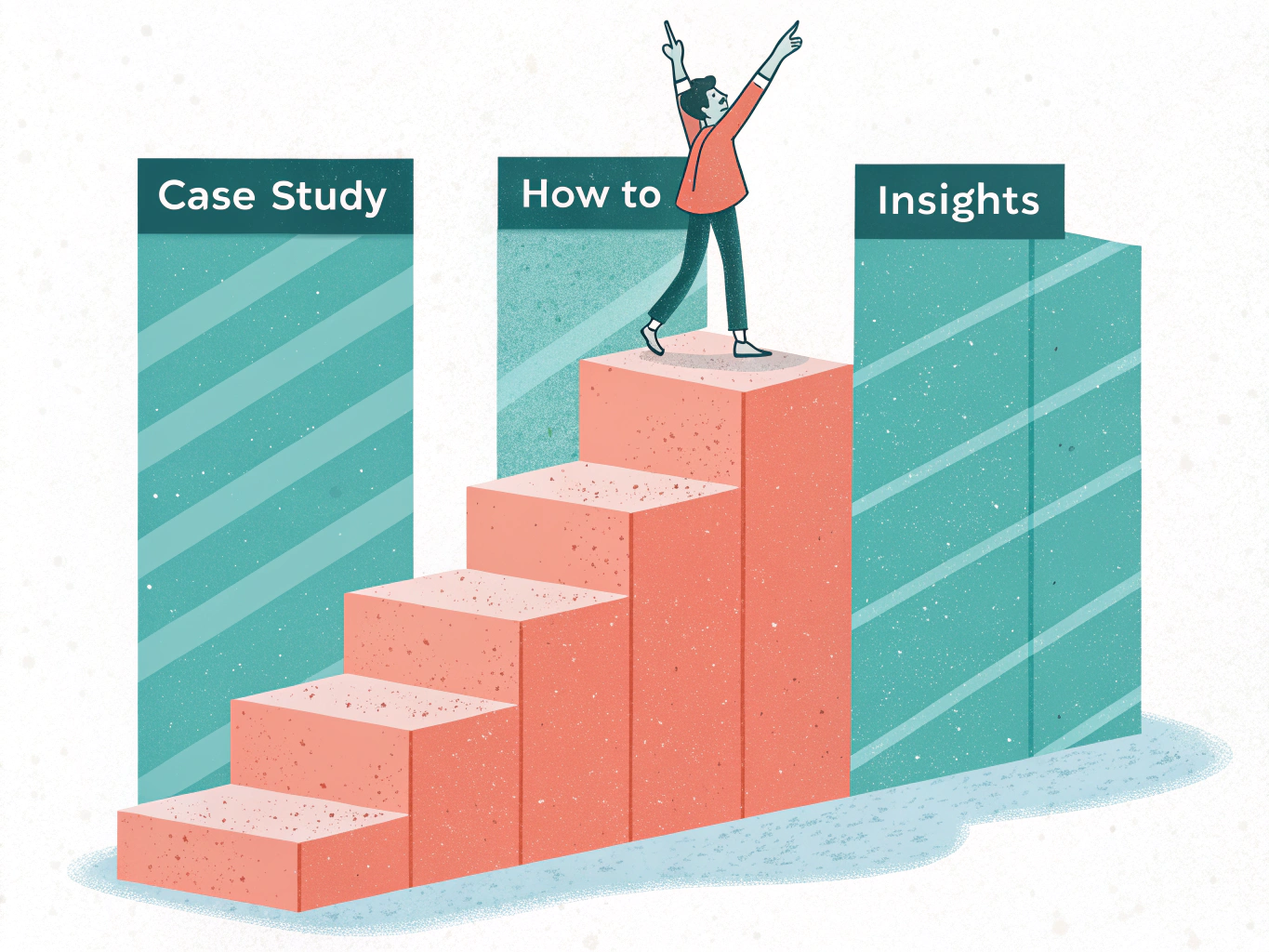
Educational and thought leadership content consistently outperform other formats for B2B lead generation. Educational and thought leadership are the two types of content that typically win for lead generation. This isn't coincidental; decision-makers scroll LinkedIn specifically to solve problems and stay informed about industry shifts.
Case studies with measurable results are your conversion accelerators. Instead of claiming your solution works, show it. Share the specific metrics: "Reduced onboarding time by 40% for enterprise clients" or "Cut manual reporting hours from 20 to 3 per week." These concrete outcomes build credibility faster than any testimonial. Best-performing forms of content include case studies showcasing real results, industry analysis, and how-to guides.
How-to guides directly address your audience's friction points. A post titled "5 Steps to Audit Your Marketing Stack Without Consultant Fees" attracts people actively seeking solutions. You're not selling; you're helping. This positions your brand as genuinely useful, not just another vendor.
Industry analysis posts distinguish you as someone who thinks strategically. Break down recent market trends, share what they mean for your audience's business, and provide actionable takeaways. Maybe interest rate changes affect your SaaS pricing strategy, or new regulations shift your industry's compliance burden. Leaders engage with content that connects dots they haven't connected yet.
The common thread: genuine value builds trust, and trust drives conversions. Your content should feel like advice from a knowledgeable colleague, not a sales pitch disguised as insight.
The Critical First Hour: Timing, Engagement, and Algorithm Mastery
Here's the reality: your LinkedIn post's fate is largely decided in the first 30 to 60 minutes after you hit publish.
During this critical window, the algorithm is actively testing your content's value. Posts with author responses within the first 30 minutes receive 64% more comments and 2.3x more views. That's not a coincidence. It's the algorithm recognizing that your content sparks conversation.
Here's what you need to do: be present. When early comments roll in, respond within minutes, not hours. Comments carry double the weight of likes during this engagement testing phase, so prioritize thoughtful replies over vanity metrics. This signals to LinkedIn that your post deserves wider distribution.
Timing matters just as much as responsiveness. Post during peak activity windows: weekday mornings between 8-10 AM, lunch hours from 12-2 PM, or early afternoons between 3-5 PM. These windows align with when your audience is actively scrolling and engaging.
The math is straightforward: early engagement triggers algorithmic momentum, which extends your post's lifespan across feeds. Skip this window, and you're fighting an uphill battle for visibility.
Don't treat posting as a "set it and forget it" activity. Schedule your posts strategically, but stay available to engage immediately after publishing. Tools that automate initial engagement can help you maintain consistency, but your authentic responses are irreplaceable. Those first 60 minutes separate posts that fizzle from ones that genuinely convert.
Building Your LinkedIn Post Strategy: From Ideas to Leads
The 10 post ideas you've explored represent a complete content toolkit, but having ideas means nothing without execution. Strategic LinkedIn success hinges on one thing: consistency paired with intentionality.
Companies that post on LinkedIn at least weekly see a 2x lift in engagement, and this isn't coincidental. Regular posting trains your audience to expect value from you, while the algorithm rewards accounts that show up reliably. Build a weekly calendar mixing content types: share one industry insight, post one personal win, contribute one thought leadership piece, and engage with three peer posts. This variety appeals to different learning preferences and prevents your feed from becoming monotonous.
The shift toward authentic, valuable content has fundamentally changed what works. LinkedIn now prioritizes meaningful engagement over vanity metrics, meaning a thoughtful comment matters more than a thousand hollow likes. Stop chasing impressions; focus on sparking genuine conversations with people in your target market.
Here's where it gets tangible: LinkedIn is 277% more effective at generating leads than Facebook and Twitter. That's not hype; that's the math. Every post you publish either moves someone closer to becoming a qualified lead or pushes them further away.
Track what resonates. Monitor which post types drive profile visits, connection requests, and meaningful comments from your ideal prospects. Double down on winners; retire what underperforms.
Tools like GetViews.AI can handle scheduling and timing optimization, freeing you to focus on quality content creation. The best LinkedIn strategy isn't about posting more; it's about posting smarter, consistently, and with purpose. Start this week.