LinkedIn Lead Generation 2026: Proven Strategies That Convert
Wilmer KarlssonTarstad
Why LinkedIn Dominates B2B Lead Generation in 2026

Here's the reality: LinkedIn generates 80% of all B2B leads from social media, and that gap is widening. While your competitors are still chasing vanity metrics on platforms built for entertainment, decision-makers are actively hunting solutions on LinkedIn. That's not a coincidence.
LinkedIn is 277% more effective for B2B lead generation than Facebook and Twitter combined. The difference isn't marginal; it's transformational. This isn't about having a presence somewhere. It's about being where actual buying power congregates.
Consider who you're reaching. Four out of five LinkedIn members drive business decisions at their organizations. Your audience arrives with intent, budget authority, and a professional mindset. These aren't casual browsers; they're prospects actively evaluating options and solving problems.
The numbers tell you something crucial: LinkedIn users have 2x the buying power of average web visitors. That concentration of qualified decision-makers in one place is exactly why 53% of B2B marketers prioritize LinkedIn for prospect identification.
The opportunity window is open now, but it won't stay that way forever. As more companies wake up to these metrics, competition for attention intensifies. The question isn't whether to invest in LinkedIn lead generation; it's whether you'll build a systematic approach before your market does.
Master the Foundation: Profile Optimization for Lead Generation
Your LinkedIn profile isn't just a resume uploaded to the cloud. It's your digital storefront, your first impression on prospects, and ultimately your conversion point. Before you send a single message or publish any content, you need to nail the foundation.
Start with your professional headshot. This single element matters more than most people realize. Profiles with quality photos receive 14 times more views, which means your visibility directly hinges on having a clear, professional image. Invest in a proper headshot; it pays dividends.
Your headline is next. Too many professionals waste this prime real estate by simply listing their job title. Instead, use it to communicate your value proposition. Rather than "Sales Manager at XYZ Corp," try "Help B2B SaaS Companies Close 40% More Deals in 90 Days." Be specific about problems you solve and results you deliver.
The About section is where you tell your story. This isn't the place for corporate speak. Highlight the outcomes you've delivered, the industries you know, and the specific challenges you solve. Think like your prospect: what would make them stop scrolling and request a conversation?
Your banner image serves as your first lead generation touchpoint on your profile page. Use it strategically. Whether it's a value proposition, your brand colors, or a clear call-to-action, make it count.
Consistency across all profile sections builds trust. Your headline, About section, and featured content should reinforce the same core message. Prospects notice when everything aligns.
This foundation work takes a few hours, but it's non-negotiable. You can't generate qualified leads from a weak profile. Get this right first, then move forward with confidence.
Content Strategy: The Lead Generation Engine That Never Stops
Here's your section:
Your content is the engine that powers sustainable lead generation. Think of it this way: prospects don't wake up wanting to buy from you. They wake up with problems. Your job is to show up consistently with answers, positioning yourself as someone who understands their challenges and knows how to solve them.
The data backs this up. Businesses that post weekly see a 2x lift in engagement, and that consistency compounds over time. Aim for 3-5 posts weekly; this cadence keeps you visible without overwhelming your audience or burning you out.
But frequency alone won't cut it. Format matters enormously. Document posts and carousels generate 3x more engagement than standard text posts, while video content pulls 5x higher engagement than static content. If you're not experimenting with these formats, you're leaving leads on the table. A simple carousel breaking down your methodology, a quick video sharing a client win, or a document post outlining industry trends all work far better than text-only updates.
Here's the critical distinction: educational content outperforms promotional content by a landslide. Your audience doesn't want a sales pitch disguised as a LinkedIn post. They want insights, frameworks, and lessons learned. Share what you know about solving their specific pain points. When you position yourself as a problem-solver first and a vendor second, inbound leads follow naturally. This approach builds authority and trust, the two currencies that convert prospects into customers.
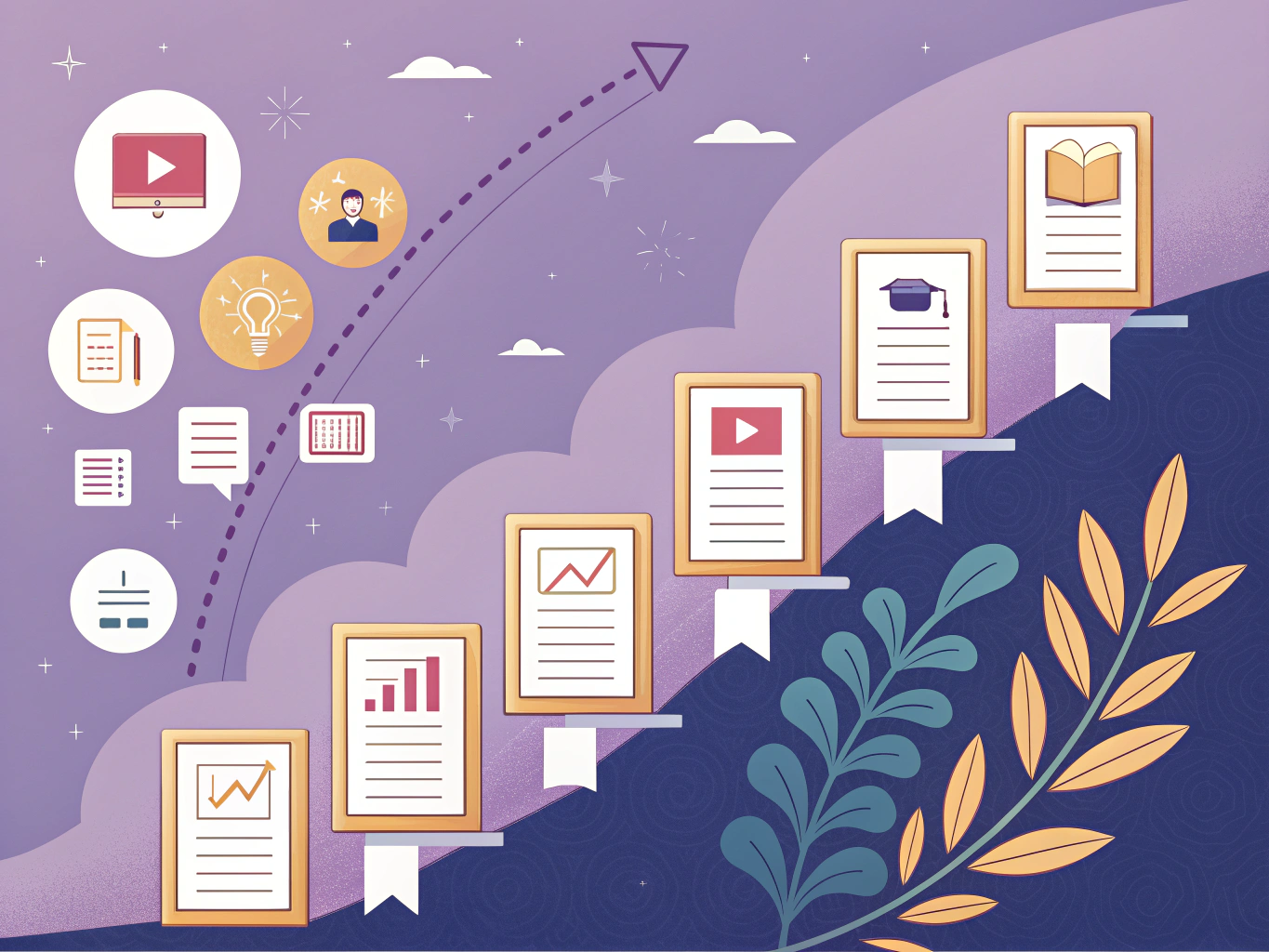
The long-term ROI is substantial. Eighty percent of B2B social media leads originate from LinkedIn, and much of that comes from content that educates rather than sells. This isn't a quick-win strategy; it's how you build a pipeline that sustains itself month after month.
Leverage LinkedIn Sales Navigator and Advanced Tools
If you're serious about B2B lead generation, Sales Navigator isn't optional—it's your competitive advantage. Think of it as the difference between fishing with a net versus a spear.
The platform gives you access to 30+ advanced filters for precision targeting, letting you narrow prospects by job title, company size, industry, seniority level, and even recent job changes. This isn't vanity filtering; it's the foundation of actually qualified pipelines.
The numbers justify the investment immediately. Sales Navigator users achieved 312% ROI over 3 years and recouped costs in under 6 months. That's not theoretical—that's what happens when you stop wasting time on unqualified leads.
What makes Sales Navigator genuinely powerful is its AI-driven lead recommendations. The algorithm learns from your past successful conversions and activity patterns, surfacing prospects that match your ideal customer profile before you manually search for them. You're essentially getting a research assistant that works 24/7.
For account-based marketing, Sales Navigator shines. Target entire high-value accounts, identify decision-makers within those organizations, and monitor them simultaneously. Real-time signals alert you when companies expand, secure funding, or post relevant content—triggering perfect moments for outreach.
Boolean search mastery elevates this further. Combine filters with advanced operators to build hyper-specific lead lists that competitors simply miss. You're not just finding prospects; you're finding the right prospects at scale.
The efficiency gains compound. Using AI for prospecting can increase pipeline efficiency by 33%, meaning your team closes more deals in the same timeframe. That's not an expense; that's ROI sitting right there.
Start with a three-month commitment and measure against your previous lead quality. Most teams see immediate improvement and never look back.
Paid Lead Generation: Ads, Forms, and Conversion Optimization
LinkedIn's paid options deliver measurable results that outpace most digital channels. The real advantage sits in native conversion mechanics rather than driving traffic elsewhere.
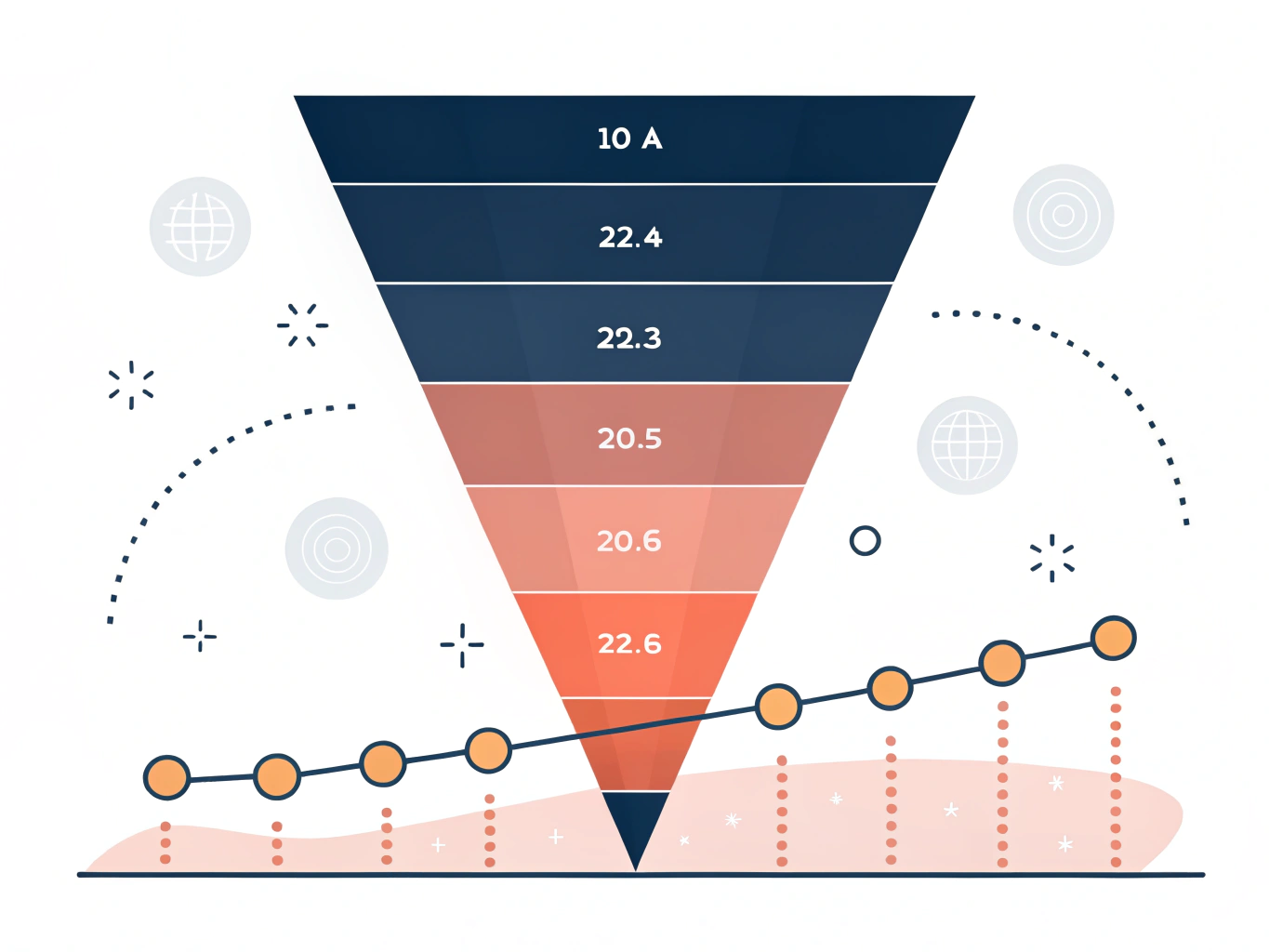
Lead Gen Forms: The Conversion Multiplier
LinkedIn Lead Gen Forms convert at 13% versus 4.02% for average landing pages. This isn't marginal improvement; it's a structural advantage. The friction disappears because forms auto-populate with LinkedIn profile data. Prospects submit information they've already provided, eliminating the friction of manual entry.
Over 40% of B2B marketers achieve 6.5% conversion rates on LinkedIn ads, and cost per lead runs 28% lower than Google AdWords. These numbers compound when you optimize correctly.
Optimization That Moves Metrics
Keep forms ruthlessly minimal: three to four essential fields maximum. Every additional field cuts conversions. Test your creative independently from your offer. Different messaging resonates with different buyer personas, and you won't know which combination wins without running parallel campaigns.
Consistency matters between ad copy and form messaging. If your ad promises "ROI benchmarks," your form should reinforce that specific value, not pivot to generic benefits. This alignment signals relevance and builds trust at the moment of conversion.
Strategic Channel Selection
Sponsored Content reaches broad audiences and works well for awareness-stage leads. InMail lands in inboxes with higher open rates, ideal for warm outreach to existing connections. Lead Gen Forms embedded directly in ads eliminate navigation friction entirely.
Your testing framework should isolate variables: audience segment, creative approach, offer structure, and call-to-action messaging. Run these tests simultaneously across small budgets, then scale what wins. This methodical approach prevents wasted spend on underperforming combinations.
The paid path on LinkedIn isn't about volume; it's about converting qualified prospects efficiently at scale.
Direct Outreach and Relationship Building That Works
Direct outreach on LinkedIn works best when you treat it as relationship building, not prospecting. The difference matters more than you'd think.
Start with engagement before you pitch. Spend a few minutes commenting thoughtfully on your prospect's recent posts or articles. This builds familiarity and shows genuine interest, making your eventual message feel like a natural continuation rather than a cold ask. Then, when you do reach out, personalization isn't optional; it's the baseline. Reference something specific about their work, a recent company announcement, or a shared connection. Generic templates get ignored.
If you're sending direct messages to open profiles, you have unlimited messaging without spending credits. That's your advantage. But respect the platform's limits: you can send roughly 100 connection requests weekly. Work within these boundaries consistently rather than testing them aggressively. Sales Navigator users see a 17% higher win rate on average, and part of that comes from using the right tools for targeted outreach.
For premium contacts, InMail carries real weight. InMail sees 30% higher response rates than standard LinkedIn messages, which justifies the investment for high-value prospects. Keep these messages concise and benefit-focused.
Consistency beats intensity. Dedicate 15-30 minutes daily to outreach and engagement rather than sporadic bursts. This approach keeps you visible without triggering LinkedIn's spam filters. Follow up quickly when someone responds; the faster you engage, the higher your conversion likelihood.
The goal isn't to message everyone. It's to build genuine connections with people who actually align with what you offer. That sustainable approach scales better, keeps your account healthy, and creates relationships worth maintaining long-term.
Your 2026 LinkedIn Lead Generation Roadmap
You've got the framework. Now execute it.
LinkedIn lead generation isn't a experiment you run once and abandon. It's a system you build, test, and refine. The companies capturing real pipeline momentum in 2026 aren't the ones trying every tactic simultaneously; they're the ones following a deliberate sequence.
Start here: optimize your profile as your foundation. This takes a weekend and pays dividends for months. Then establish your content rhythm, 3-5 posts weekly, showcasing genuine expertise and perspective. This builds credibility while algorithms work in your favor.
Layer in Sales Navigator for precision targeting, then deploy Lead Gen Forms to capture intent at scale. Simultaneously, commit to 15-30 minutes daily of personalized outreach. This consistency compounds.
The final piece: measure everything. Track conversion rates, response times, cost per qualified lead. Monthly, review what's working and pivot accordingly.
80% of B2B social media leads come from LinkedIn for a reason. Your competitors already know this. The question isn't whether to invest here; it's whether you'll invest strategically or watch your pipeline fill someone else's funnel.
Your roadmap is clear. The opportunity window is open. Move now.