What Is an Impression on LinkedIn? Complete Metrics Guide
Wilmer KarlssonTarstad
Last Updated: March 19, 2026
Quick Summary
- LinkedIn impressions = number of times your content appears in someone's feed, regardless of engagement
- Impressions counted when post is visible for 300ms with 50% of content in view on screen
- Three types: Organic (algorithm-driven), Viral (shared), Paid (sponsored ads)
- Impressions measure visibility and reach, but engagement rate shows true content quality
- Average post gets 811 impressions; focus on both impressions and engagement for growth
What Is an Impression on LinkedIn?
An impression on LinkedIn is simply the number of times your content appears on someone's screen. Every time a post shows up in a user's feed, that's one impression, whether they like it, comment, click, or scroll right past it.
Here's what makes impressions different from engagement: they're a visibility metric, not an action metric. You get an impression counted when your post meets LinkedIn's technical requirements: it's visible for at least 300 milliseconds with at least 50 percent of the post in view on someone's screen, according to Dreamdata's research. That means the post has to actually show up in their feed long enough to register, but they don't need to do anything with it.
Think of impressions like foot traffic past a storefront. If 500 people walk by your window, that's 500 impressions. Some will stop and look; most won't. But you need that foot traffic first before anyone can become a customer.

Why does this matter? Impressions are the foundation of your content strategy. Without visibility, you can't build awareness, generate leads, or establish thought leadership. They're your starting point for measuring whether your content is reaching the right people at all.
How LinkedIn Counts Impressions: The Technical Details
LinkedIn's impression counting system works on surprisingly specific technical criteria. For your content to register as an impression, it must appear at least 50% visible on a member's screen for a minimum of 300 milliseconds. That's roughly a third of a second. This threshold exists because LinkedIn wants to measure genuine visibility, not just a post scrolling past in a blur. The logic is straightforward: if someone can't actually see your content long enough to process it, it shouldn't count toward your metrics.
Here's something that surprises many creators: the same person viewing your post multiple times generates multiple impressions. If someone sees your content twice in their feed, that's two separate impressions. This happens naturally as posts circulate, get reshared, or appear in different contexts. LinkedIn treats each viewing instance independently, which means your impression count reflects total visibility moments rather than unique viewers.
The counting happens automatically across all devices. Whether someone's on desktop, mobile, or tablet, LinkedIn's algorithm tracks visibility the same way. You don't need to do anything to enable this; it's built into how the platform operates.
It's important to understand that impression numbers are estimates, not exact counts. LinkedIn states that this number is an estimate and may not be precise due to the complexities of tracking content visibility across various devices and user behaviors. The platform processes billions of content interactions daily, so some margin of error is inevitable.
To put this in perspective, in 2024, the average LinkedIn post received around 811 impressions, up from approximately 696 impressions in 2023, marking an increase of over 16%. These benchmarks help you understand whether your content is performing typically or standing out. Knowing these mechanics helps you interpret your analytics more effectively and set realistic expectations for your content strategy.
Impressions vs. Reach vs. Views: Understanding the Differences
These three metrics often get lumped together, but they measure fundamentally different things. Understanding the distinction changes how you interpret your LinkedIn performance.
Impressions count every single time your content appears on someone's screen. If the same person scrolls past your post three times in a week, that's three impressions from one person. Unique impressions refer to the number of individual users who see your content at least once, while total impressions can include multiple views by the same user. It's the broadest measurement of visibility, but it can feel inflated because one engaged person scrolling repeatedly contributes multiple counts.
Reach (or "Members Reached") only counts unique individuals. That same person who saw your post three times? They count as one. Members Reached refers to the number of unique LinkedIn users who have seen your content at least once, while impressions count every time your post is displayed, even to the same person multiple times. This metric gives you a clearer picture of how many actual people encountered your content, regardless of how many times they saw it.
Views require active engagement. Someone doesn't just scroll past; they actually click into your post, watch a video, or spend meaningful time with it. Views represent genuine interest, not passive exposure.
Here's what this looks like in practice:

A single post might generate 1,000 impressions, 800 Members Reached, and 200 views. That gap between impressions and reach tells you some people saw it multiple times. The gap between reach and views shows only 25% of people who saw it actually engaged with it.
Which metric matters most depends on your goal. Building brand awareness? Focus on impressions and reach. Testing content resonance? Views tell the real story. For strategic content decisions, track all three together rather than obsessing over any single number.
The Three Types of LinkedIn Impressions
LinkedIn counts impressions in three distinct categories, and understanding where your views come from fundamentally changes how you approach content strategy.
Organic impressions happen when LinkedIn's algorithm surfaces your content to people in your network based on relevance and engagement signals. Organic impressions arise when your content is automatically displayed in feeds of connections and followers without paid promotions, influenced by an algorithm based on content relevance, user engagement, and the relationship between the viewer and the page. These are the baseline for most creators. The algorithm considers factors like how quickly your post gets engagement, whether viewers have previously interacted with your content, and the strength of your professional relationship. If you post a thoughtful industry insight and your immediate network responds, organic impressions typically climb steadily over the first few days.
Viral impressions represent the multiplier effect. Viral impressions occur when people share or respond to your post, adding impressions from other people's networks, contributing to expanding your content's reach. When someone shares your post, reposts it, or generates meaningful comments, their network sees it too. This is where organic content breaks beyond your immediate circle. Viral impressions signal that your message resonates strongly enough for people to amplify it themselves.
Paid impressions come from sponsored content and ads you've invested in. Paid impressions are sponsored posts and ads based on particular demographic and professional filters that allow for a broader or more targeted audience reach than organic methods alone. These bypass the algorithm entirely, letting you reach specific job titles, industries, or experience levels regardless of whether they follow you.
Each type requires different tactics. Organic demands consistent, valuable content. Viral needs emotional resonance or shareability. Paid requires clear targeting and compelling copy that converts. Most effective strategies blend all three.
Why LinkedIn Impressions Matter for Your B2B Strategy
Impressions are where every LinkedIn strategy begins. They represent the total number of times your content appears in someone's feed, and they're your first opportunity to capture attention in a crowded digital space. Without impressions, engagement and conversions simply cannot happen. Think of them as the foundation of your marketing funnel; they're the widest part where potential customers first encounter your brand.
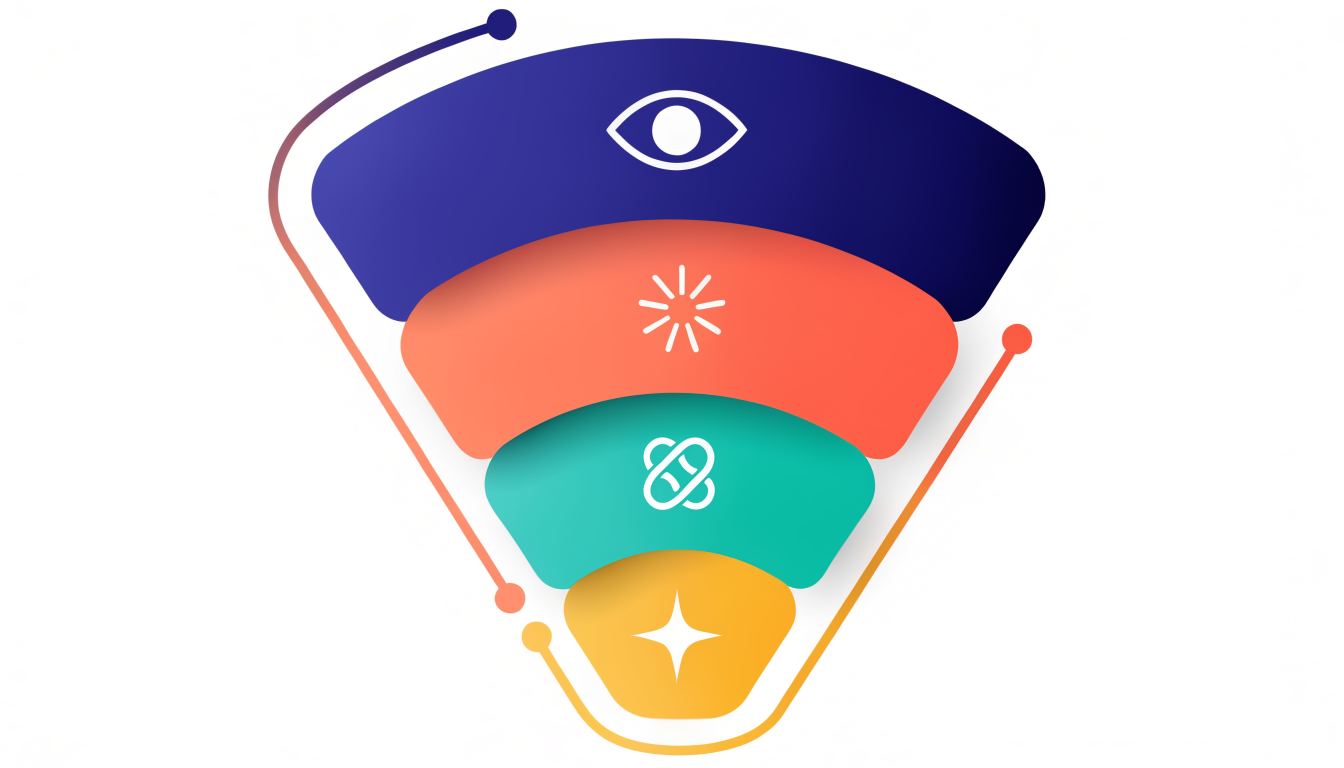
For B2B founders and sales professionals, impressions matter because impressions serve as a measure of campaign visibility and imply brand awareness, trackable directly through LinkedIn's campaign manager. When your content consistently generates high impressions, you're building recognition among decision-makers in your industry. That visibility compounds over time, positioning you as someone worth paying attention to.
However, impressions alone don't guarantee results. If you're getting thousands of impressions but minimal engagement, that's valuable feedback. It signals your content needs sharper messaging, stronger headlines, or better audience targeting. Conversely, low impressions indicate your profile optimization or content distribution strategy requires attention.
The algorithm rewards speed. LinkedIn's algorithm favors content that drives engagement quickly, meaning the first hour after posting is critical. Quick engagement signals value to the algorithm, which then amplifies your content to broader audiences, generating more impressions. This creates a virtuous cycle where strong impressions lead to better algorithmic distribution.
Track your impression metrics consistently. Calculate your engagement rate by dividing total engagements by impressions to understand how your content resonates. This metric reveals whether you're attracting the right audience or simply reaching people who don't care about your message. For B2B success, impressions and engagement must work together to move prospects through your funnel toward conversion.
How to Track and Optimize Your LinkedIn Impressions
Finding your impression data is straightforward. Head to your Profile, select Posts & Activity, then click Analytics. You'll see impressions broken down by post, giving you a clear picture of what's resonating with your network. This is your starting point for optimization.
Now let's talk about moving the needle. Timing matters more than you'd think. Studies show that the best times to post on LinkedIn are midweek (Tuesday-Thursday) during business hours (10 am to 2 pm), when professionals are actively scrolling between meetings and tasks.
Content format is equally critical. Posts with rich media (images, videos) can rake in an impressive 94% more views than text-only posts. This doesn't mean every post needs a production-quality video, but incorporating visuals dramatically shifts your impression count upward.
Engagement speed signals value to LinkedIn's algorithm. Respond to comments within the first 24 hours of posting. This activity tells the platform your content is worth showing to more people.
Frequency also plays a role. LinkedIn appreciates posting consistency by providing engagement, so aim for 4-5 posts per week to maintain visibility without overwhelming your audience.
Finally, don't overlook profile optimization. A complete, keyword-rich profile with a professional photo and clear headline attracts organic impressions even when you're not actively posting. Think of it as passive visibility working for you around the clock.
FAQ: Common Questions About LinkedIn Impressions
What counts as a "good" number of impressions?
It depends entirely on your network size and industry. For smaller LinkedIn content creators, 1,000 impressions on a post is great. If you're building your presence, focus on growth week-over-week rather than chasing arbitrary numbers. Someone with 500 connections getting 800 impressions is doing better than someone with 50,000 connections hitting 2,000.
Are LinkedIn impressions accurate?
They're estimates, not precise counts. LinkedIn's algorithm calculates impressions based on user activity patterns, but the exact methodology isn't public. The numbers are reliable enough for tracking trends and comparing your own posts over time, but don't treat them as exact science.
Can I see impressions on individual posts?
Yes. Navigate to your post, click the analytics dropdown, and you'll see impressions alongside clicks, reactions, and shares. This is where you spot which content actually resonates with your audience.
Do impressions on comments count?
They do now. LinkedIn introduced a major evolution with comment impressions, allowing measurement of attention captured beyond the main post. This means your reply to someone else's content can drive visibility for your profile and expertise.
How long does content get impressions?
Most activity happens in the first 48 hours, but don't write off older posts. With recent LinkedIn updates, distribution isn't limited to the first few days; the post can appear in the feed if it's relevant to your audience, meaning more impressions for posts weeks after publishing.
Should I focus on impressions or engagement?
Both. Impressions show reach; engagement shows impact. A post with 5,000 impressions and zero comments isn't moving the needle. Aim for content that drives both visibility and genuine interaction with your audience.
The Bottom Line: Impressions Are Your Growth Foundation
Impressions are the foundation you pour; you can't build engagement or conversions without that solid base of visibility. As Postiv AI explains, this foundational metric matters because it represents your potential audience. But here's what matters more: understanding what impressions actually mean for your strategy.
A high impression count without engagement is like having a packed auditorium where nobody's listening. That's why the smartest LinkedIn creators track impressions alongside click-through rates, shares, and comments. The real wins happen when you optimize for both visibility and resonance. Consistent, quality content that addresses your audience's actual problems drives sustainable impression growth naturally, without chasing vanity metrics.
Start by auditing your current performance. Which posts generated the most impressions last month? What topics, formats, or posting times drove those results? Use these insights to inform your next content calendar. If you're struggling to identify patterns or optimize manually, automation tools can help streamline the process and free up time for strategy.
Your next move is concrete: pull your LinkedIn analytics this week. Review your top-performing content. Identify one pattern you can replicate. Then commit to testing it across your next five posts. Small, consistent improvements compound quickly.
Remember, impressions aren't the finish line; they're the starting block. They open the door to deeper relationships, meaningful conversations, and real business results. The brands winning on LinkedIn right now aren't obsessing over vanity numbers. They're building strategies where every impression has purpose, and every piece of content moves people closer to action.