Lead Generation on LinkedIn: Strategies for 2026
Wilmer KarlssonTarstad
Why LinkedIn Dominates B2B Lead Generation in 2026
Here's the reality: LinkedIn now generates 80% of all B2B leads from social media, and it's not even close. The platform is 277% more effective for lead generation than Facebook and X combined, which tells you everything you need to know about where decision-makers actually spend their time.

The numbers confirm it: 89% of B2B marketers use LinkedIn for lead generation, with 62% reporting it produces qualified leads. That's not a trend. That's a fundamental shift in how business development works.
But here's what matters most right now: with over 1 billion professionals on the platform and decision-makers spending nearly an hour daily on LinkedIn, the access is unprecedented. Your ideal customers are there, actively engaged, and ready to be reached.
The catch? Generic tactics died years ago. Connection requests without strategy, templated messages, and passive profile optimization no longer cut it. The teams winning in 2026 are using sophisticated, data-driven approaches that combine strategic profile positioning, targeted outreach, and automation to scale their efforts.
If you're not treating LinkedIn as mission-critical infrastructure for your sales pipeline, you're leaving revenue on the table.
Foundation First: Optimizing Your LinkedIn Profile for Lead Generation
Your LinkedIn profile is your digital storefront, and optimization isn't optional; it's the foundation that makes every lead generation tactic actually work. Without it, you're essentially asking prospects to buy from a closed door.
Start with your professional headshot. Research shows a quality photo increases profile views by 14x. This isn't vanity; it's conversion math. People do business with faces they recognize and trust.
Your headline is next. Most people waste this space repeating their job title. Instead, use it to communicate clear value. Rather than "Sales Director," try "Help B2B Companies Close 30% More Deals Through Strategic Outreach." This tells prospects exactly what problem you solve before they even click your profile.
Your About section should be conversational and outcome-focused. Highlight the specific problems you've solved and results you've delivered. Numbers work here; mention revenue increased, time saved, or processes streamlined. Think of it as your elevator pitch written for skimming.
Featured content transforms your profile into a mini-portfolio. Pin your best posts, articles, or case studies to the top. This demonstrates expertise and gives visitors a reason to stay longer, increasing the likelihood they'll reach out.
Don't overlook your banner image. Use it to communicate what you do and who you help. A generic default banner signals you're not serious about lead generation.
Finally, focus on your Social Selling Index score. Higher SSI increases visibility and trust on the platform, which directly impacts how many qualified prospects see your content and profile. These foundational elements work together to establish credibility before you ever send a connection request or publish content.
Content Strategy: Attract Leads with High-Performing Posts and Ads
LinkedIn's content game has fundamentally shifted. The data is clear: video posts receive 5x more engagement than static posts, with live videos generating 24x more engagement. But here's where it gets interesting. Carousel posts actually deliver 278% more engagement than videos, making them your secret weapon for stopping the scroll.
The winning content types follow a pattern. Celebrations of milestones, customer wins, and team achievements create natural engagement hooks. How-to posts and educational threads build authority while positioning you as a problem-solver. Stories that reveal the messy middle (failures, pivots, lessons learned) outperform polished narratives because they feel authentic. And the comment-baiting approach? It works, but use it sparingly to avoid looking desperate.

On the paid side, LinkedIn Lead Gen Forms are your conversion accelerator. These forms are 227% more efficient than lead capture on other networks, and the reason is friction. Pre-filled data reduces abandonment rates significantly, but keep your form fields to three or four maximum. Every additional field tanks completion rates.
Here's the psychological angle: emotional messaging outperforms rational content by up to 7x. This doesn't mean getting sappy. It means connecting your solution to real human outcomes. Fear of missing out, desire for growth, frustration with status quo, these emotional triggers drive action.
Run different content types simultaneously. Test carousel posts in your organic strategy while running Lead Gen Form ads to cold audiences. Use video for warm audiences already familiar with your brand. The winners in 2026 won't pick one format; they'll orchestrate a content symphony where each piece plays a specific role in your lead funnel.
Outreach That Converts: Personalization and Account-Based Marketing
Here's the hard truth: generic connection requests get deleted. Personalized ones get accepted.
The difference is striking. Personalized connection requests see higher acceptance rates than blank requests, and that's just the beginning. When you actually customize your message, you're not just improving numbers; you're signaling that you see the person as an individual, not a name on a list.
LinkedIn Sales Navigator is your foundation here. Use it to research your prospects properly. Look at their recent activity, their company updates, their content engagement. Then, mention something specific in your connection note. Not "let's connect and grab coffee." Instead: "I saw your post about [specific topic] last week; we're helping companies in your space solve that exact challenge."
This approach compounds when you engage with their content first. Comment thoughtfully on their posts before sending a connection request. One SDR booked 47 meetings in a month using only LinkedIn comments as initial touchpoint. That's not luck; that's strategy. You're creating familiarity and giving them context for why you're reaching out.
When you do send InMail, the personalization effect is even more dramatic. InMail response rates improve up to 5x with personalization. That's the difference between a 2% response rate and a 10% response rate.
Account-based marketing takes this further. Instead of blasting hundreds of generic messages, you identify your ideal accounts and orchestrate coordinated, personalized campaigns across them. Account-based marketing on LinkedIn achieves approximately 2x greater return on ad spend compared to traditional prospecting.
Timing matters too. Send requests during business hours when prospects are actually checking LinkedIn. Tuesday through Thursday mornings typically perform best.
The shift is simple: stop treating prospects like targets and start treating them like people. The numbers follow naturally.
Advanced Tactics: Sales Navigator, Groups, and Automation
If you're serious about scaling lead generation in 2026, it's time to move beyond basic outreach. Sales Navigator is where precision meets power. With 30+ filters for targeting, you can narrow down prospects by job title, industry, company size, and seniority level. The real advantage? Real-time alerts notify you when prospects change jobs, when their company makes news, or when they're mentioned in your network. This means you're reaching people at inflection points, not cold.
LinkedIn Groups deserve your attention too. These spaces contain highly targeted, like-minded professionals already engaged in conversations about their pain points. Active group participation isn't just visibility; it increases connection acceptance rates and generates inbound inquiries from people who've already seen your expertise.
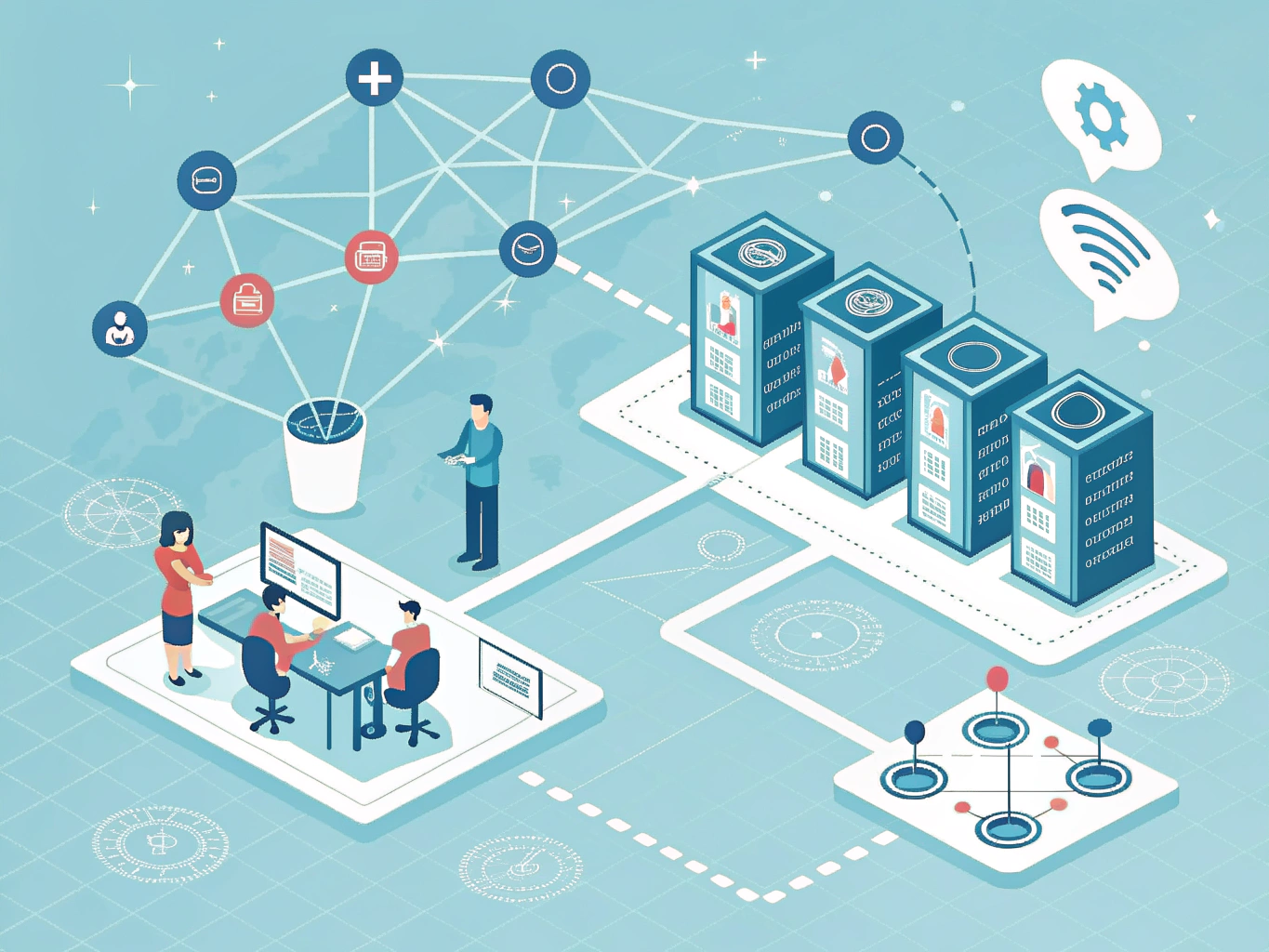
Here's what separates winners from the rest: the AI plus human hybrid approach. 82% of sales specialists agree that using AI research improves growth opportunities, but automation without authenticity kills conversions. Use tools to research prospects, personalize at scale, and track engagement, then inject genuine human judgment into every outreach message.
Automation tools exist on a spectrum. Some enhance your workflow; others violate LinkedIn's Terms of Service. Free automation options are available, but compliance matters. Your reputation is worth more than cutting corners.
The winning formula combines organic group engagement, Sales Navigator precision targeting, and strategic automation that feels human. This layered approach converts because it respects LinkedIn's algorithm while respecting your prospects' time.
Measuring Success: Metrics, Benchmarks, and Optimization
You can't optimize what you don't measure. The difference between mediocre lead generation and exceptional results lives in your metrics.
Start with connection acceptance rates. Aim for 30-40% as your baseline; anything below 25% signals your outreach messaging needs refinement. Then track response rates from your direct messages. Quality outreach should generate 15-25% response rates, not vanity numbers from spray-and-pray campaigns.
Monitor profile views obsessively. Each view represents someone considering your offer; converting even 10% of these warm prospects dramatically improves your pipeline. Content engagement rates matter too, but benchmark against your industry, not generic standards. A 3% engagement rate means nothing without context.
Here's what makes LinkedIn economical: your cost-per-lead is 28% lower than Google AdWords, and conversion rates typically double those of other platforms. That's not just efficiency; that's competitive advantage.
Use LinkedIn Campaign Manager to track every metric systematically. Set up conversion tracking, monitor cost-per-lead in real time, and identify which campaigns actually drive revenue, not just clicks.
A/B testing is non-negotiable. Test headlines, CTAs, visuals, and targeting parameters continuously. Small improvements in acceptance rates or response rates compound into substantial lead volume over months.
Quality always trumps quantity. A single qualified lead worth $50,000 beats 100 tire-kickers. Measure what matters to your business, then obsess over those numbers.
Your 2026 LinkedIn Lead Generation Action Plan
LinkedIn lead generation isn't about chasing every new feature or tactic that emerges. It's about building a sustainable system that compounds over time.
Start here: optimize your profile ruthlessly, then commit to posting valuable content consistently. This foundation matters more than you'd think. Once you're seeing traction with organic activity, layer in paid campaigns targeting your ideal buyers. Finally, integrate automation tools to scale personalized outreach without losing the human element that actually closes deals.
The companies dominating LinkedIn in 2026 aren't the ones with the flashiest tactics. They're the ones treating prospects like actual people, not database entries. Companies winning on LinkedIn balance best-in-class technology with genuine human touch, and that philosophy should guide every decision you make.
Your consistency matters infinitely more than sporadic bursts of activity. One thoughtful post per week beats three desperate posts followed by silence. One personalized message beats fifty templated connection requests.
This year, sophistication means combining organic posting with strategic paid promotion, then backing it with data-driven analytics to refine what works. It means knowing when to automate and when to pick up the phone.
Start with profile optimization and content. Build momentum there. Then expand systematically. You don't need every tool, every feature, or every strategy simultaneously. You need discipline, clarity, and the patience to execute a proven playbook.
Your 2026 results are determined by the decisions you make this month.