LinkedIn About Section: The Complete Guide to Stand Out
Wilmer KarlssonTarstad
Last Updated: September 15, 2026
Key Takeaways
- Your About section is the first impression that decides whether visitors engage with you
- Use the first 1-2 lines to hook readers since this section collapses on profiles
- Write in first person with personality, not as a resume or corporate biography
- Include industry keywords strategically to boost searchability and visibility
- End with a clear call-to-action directing readers on what to do next
What Is the LinkedIn About Section and Why Does It Matter
Your LinkedIn About section is the text box positioned directly below your headline on your profile. It's not just another field to fill out; it's one of the most valuable real estate on your entire profile. When someone visits your page, this is one of the first things they read, shaping their immediate impression of who you are professionally.
Here's what makes it matter: LinkedIn's algorithm prioritizes this section for keyword searches, meaning a well-optimized About section directly impacts your discoverability. Whether recruiters are hunting for specific skills, clients are vetting your expertise, or colleagues are deciding if you're worth connecting with, your About section influences whether you appear in their results.
You get 2,600 characters to work with, which sounds generous until you realize how quickly readers scroll. The section initially collapses to show only the first 1-2 lines, so your opening sentence carries disproportionate weight. Those first few words determine whether someone clicks "see more" or moves on.
The stakes are straightforward: a generic, keyword-stuffed About section blends into the noise. A thoughtfully written one positions you as someone worth paying attention to. It transforms your profile from a digital resume into a compelling introduction that speaks directly to recruiters, clients, and potential collaborators. This section is where you stop being a profile and start being a person with a clear value proposition.
The Three Core Elements of a Standout About Section
Every visitor landing on your LinkedIn profile is silently asking one question: "Why should I care about you?" Your About section is where you answer that. The best ones share three interconnected elements that work together to create a complete, compelling narrative.
The Opening Hook
Your first one or two sentences are critical because they're what people see before clicking "see more." This is your moment to stop the scroll. Rather than leading with your job title, start with what you do for people or the problem you solve. For example, "I help B2B SaaS companies reduce customer acquisition costs by 40%" immediately tells readers why they should keep reading. Compare this to "Senior marketing manager with 8 years of experience," and you'll see the difference. One creates curiosity; the other creates indifference.
The Core Message
After you've captured attention, clearly articulate what value you offer and to whom. Who is your ideal audience? What specific transformation do you provide? This isn't about listing responsibilities; it's about defining the outcomes you create. Be specific enough that someone reading your profile knows whether you can help them. Vague language like "passionate about driving results" tells people nothing actionable.
Personality and Character

This is where you become human. Share what motivates you, what you're genuinely curious about, or what drives your work beyond the paycheck. Maybe you're obsessed with process optimization, or you volunteer with nonprofits, or you're learning to code. These details matter because they differentiate you from everyone else doing your job. People connect with people, not resumes. Weaving in these human elements alongside your professional credentials creates the balance that makes someone want to engage with you rather than scroll past.
Step-by-Step Guide to Writing Your About Section
Writing your About section doesn't have to be intimidating. Follow this straightforward process, and you'll have a compelling profile that actually resonates with your target audience.
Step 1: Know Who You're Speaking To
Before you write a single sentence, get clear on who needs to find you. Are you targeting hiring managers, potential clients, collaborators, or your existing network? Understanding your audience shapes everything that follows. What problem keeps them up at night? What are they actively searching for? This clarity becomes your North Star.
Step 2: Hook Them Immediately
You have roughly one sentence to grab attention. Skip generic openers like "Passionate professional with 10 years of experience." Instead, lead with what makes you different or what you accomplish. Something like "I help mid-market B2B companies cut sales cycles in half through strategic positioning" tells readers exactly why they should care.
Step 3: Define the Problem and Your Solution
State clearly what problem you solve and for whom. This isn't about you; it's about them. Connect your expertise directly to tangible outcomes your audience experiences.
Step 4: Show Your Personality and Perspective
Share a brief background detail or what drives your work. Did a specific experience shape your approach? What's your philosophy? This humanizes your profile and builds trust.
Step 5: Weave in Keywords Naturally
Incorporate keywords naturally throughout your About section to improve visibility in LinkedIn and Google/Bing search results. Use terms your audience actually searches for, but don't force them. They should feel like a natural part of your story.
Step 6: Format for Scanning
Use spacing and bullet points to make the section easy to scan, breaking up large blocks of text. Most people skim rather than read thoroughly. Short paragraphs and lists help them find what matters fastest.
Step 7: End with Action
Close with a clear call-to-action. Invite readers to connect, schedule a call, or visit your website. Remove guesswork about what comes next.
Pro tip: Draft everything in a Word document first, then copy it into LinkedIn. This preserves your formatting and saves frustration with the platform's editor. You'll spend less time fighting the interface and more time perfecting your message.
Common Mistakes That Undermine Your About Section
Most LinkedIn users either leave the About section completely blank or fill it with bland, third-person corporate language that reads like it was written by committee. Both approaches miss the point entirely. Your About section isn't a second resume; it's your chance to show personality, demonstrate value, and create genuine connection with potential employers, clients, and collaborators.
The most common pitfall is treating it like a job description. Listing titles, responsibilities, and dates makes you sound interchangeable with dozens of other candidates. Instead, focus on what you've actually achieved and the impact you've created. Numbers matter more than job duties.
Generic buzzwords like "hardworking," "team player," and "results-driven" don't differentiate you. Every profile says the same things. Show rather than tell. If you're collaborative, describe a project where you bridged departments. If you're strategic, explain how you identified an opportunity others missed.
Writing in third person creates unnecessary distance. LinkedIn is a social platform, not a corporate press release. First person feels authentic and inviting; third person feels distant and formal.

Dense walls of text also backfire. People scan LinkedIn quickly; they don't read paragraphs. Use line breaks, short sentences, and even bullet points to make your story scannable. A clear call-to-action matters too. End by telling people exactly what you want them to do: connect with you, visit your website, or reach out about opportunities. Finally, treat your About section as a living document. As your role, goals, or expertise evolve, update it. Stale content signals you're not actively engaged on the platform.
Keyword Optimization and Searchability
Your LinkedIn About section doesn't exist in a vacuum. It's searchable content that both LinkedIn's algorithm and Google's search engine crawl to understand who you are and what you do. This means keyword optimization isn't optional if you want visibility.
Start by thinking like your audience. What specific terms would a recruiter, potential client, or hiring manager type into a search bar to find someone like you? If you're a fractional CFO, people search "fractional CFO," "financial strategy," and "startup finance" - not generic terms like "business professional." These role-specific, industry-focused keywords are what move the needle.
The key to effective optimization is natural integration. Sprinkle keywords throughout your opening sentences and core sections where they genuinely belong. A recruiter scanning your first two sentences should immediately recognize your expertise. But here's the critical part: avoid keyword stuffing. Cramming terms artificially reads as spam and damages both readability and credibility. LinkedIn's algorithm focuses strongly on the About section for keywords in searches, but only when those keywords feel organic to your narrative.
Remember that your About section also appears in Google search results. Optimize for both platforms by including skill-based keywords, industry terminology, and role descriptors strategically. If your expertise shifts - you pivot industries, develop new specializations, or target different clients - update your keywords accordingly. Stale keywords mean missed opportunities.
The sweet spot? Write for humans first, algorithms second. Your About section should read like a compelling professional summary that happens to include the exact terms people are searching for.
Real Examples and Templates You Can Use
Let's look at what actually works. The best About sections share a common structure: they open with a hook that grabs attention, explain who you are and what you do, showcase your expertise, reveal some personality, and end with a clear next step. Here's how four different professionals nail it.
The B2B Founder starts with their mission, not their title. Instead of "CEO of SaaS Company," they write: "I help mid-market companies reduce operational costs by 40% through automation. Built my first startup to $2M ARR; now scaling my second venture." They follow with proof (metrics matter), then add personality: "Coffee enthusiast, recovering perfectionist, believer in radical transparency." The call-to-action is specific: "Let's talk if you're scaling and need a thought partner."
The Sales Professional leads with results and relatability. "I close deals with integrity. Helped 47 clients find solutions that actually fit their business, not just our quota. Real talk: sales is about listening first, selling second." They mention their specialty, add a human touch about their approach, then invite connection: "DM me if you want to discuss go-to-market strategy."
The Job Seeker treats their About section like a cover letter. "I'm a marketing analyst transitioning into product management. Three years analyzing customer behavior taught me what drives adoption. Completed Google's Product Management Certificate; now seeking a role where I can bridge data and strategy." They're honest about their transition, show initiative, and state their goal clearly.
The Corporate Professional avoids corporate-speak. "Senior analyst at Fortune 500 tech company. I untangle complex data to help leadership make faster decisions. Passionate about teaching teams how to use data confidently."
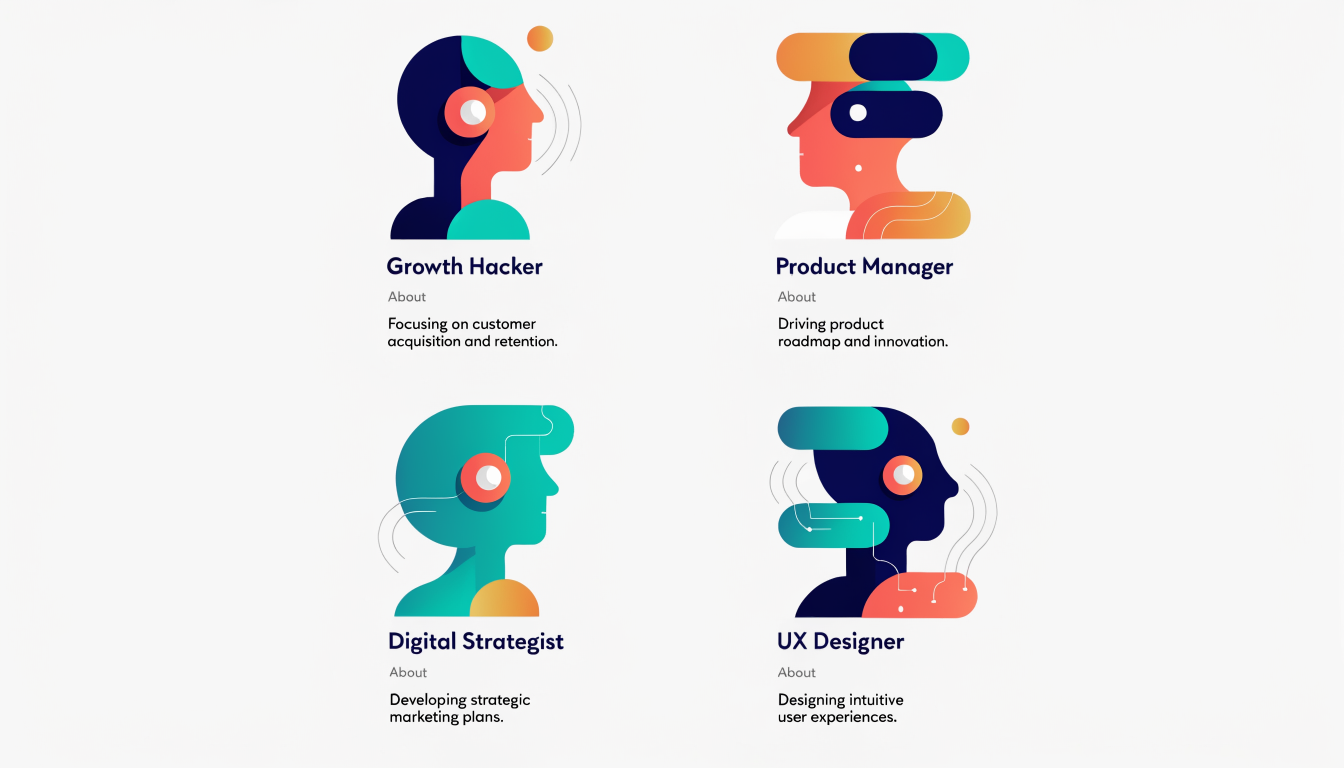
Notice the pattern. Each example includes specific results, authentic voice, and a reason to reach out. They avoid buzzwords and generic claims. The magic happens when you blend credibility with humanity. Your About section doesn't need to be perfect; it needs to be genuinely you, backed by what you've actually accomplished.
How GetViews.AI Helps You Optimize Your LinkedIn Presence
Writing a stellar About section is only half the battle. The real work begins when you need to amplify that message across your entire LinkedIn presence and measure what's actually working.
This is where most professionals stumble. They craft a compelling About section, then wonder why their profile views haven't budged. The disconnect? They're not reinforcing their positioning through consistent content or tracking which elements drive engagement.
GetViews.AI solves this by connecting your optimized About section to a broader growth strategy. The platform helps you identify high-performing keywords that boost visibility, then suggests content themes that reinforce your core message. You can analyze which profile visitors convert to genuine connections, giving you clear data on whether your About section is resonating with your target audience.
Beyond analysis, you get access to AI-powered content creation tools that align with your About section's positioning. This ensures every post, article, and interaction reinforces the professional narrative you've established. The platform also streamlines outreach and engagement, so your optimized profile reaches more of the right people.
Rather than hoping your About section drives results, you can now track profile views, engagement rates, and connection conversions in real time. Iterate based on actual performance data, not guesses. When your About section works in concert with a strategic content plan, that's when meaningful growth happens.
FAQ: Common Questions About LinkedIn About Sections
Q: How many characters can I actually use?
You've got 2,600 characters to work with, which is roughly 400 words. That's plenty of space to tell your story without overwhelming visitors. Most people use only half of this, leaving real estate on the table.
Q: Can I use bold, italics, or bullet points?
Yes. Right-click in your About section and you'll find formatting options. Bullet points break up text nicely and make your achievements scannable. Use bold sparingly to highlight key accomplishments or skills.
Q: How often should I update it?
At minimum, annually. But realistically, update whenever your role, focus, or major accomplishments change. A stale About section signals that your profile isn't active. Refreshing it also signals to LinkedIn's algorithm that you're engaged.
Q: Should I add contact information?
Absolutely, especially at the end. Not everyone who views your profile is connected with you yet. A direct email or phone number removes friction for serious opportunities. Just use a professional format and consider a calendar link if you're open to meetings.
Q: What about multiple languages?
LinkedIn doesn't have a built-in multi-language feature for the About section. Your best option is creating separate profiles for different languages, though this splits your visibility. Alternatively, write in your primary language and note that you're fluent in others.
Q: Will Google index my About section?
Yes. Your About section appears in search results, making it valuable for SEO. This means optimizing it for both LinkedIn's algorithm and Google search is worth the effort. Think of keywords people might actually search for when looking for someone like you.
Key Takeaways and Your Next Steps
Your LinkedIn About section isn't just filler between your headline and experience. It's the deciding factor in whether someone clicks "Connect," messages you, or moves on to the next profile. The stakes are real, and the opportunity is yours to claim.
Here's what matters most: those first 1-2 lines will make or break your section since most visitors see a collapsed preview. Write like a real person, not a resume. Use "I" and "me." Share what you actually do and why it matters. Weave in strategic keywords naturally so recruiters and potential clients find you when they search, but never sacrifice readability for SEO.
Format for the scrollers. Short paragraphs, bullet points, and white space aren't optional; they're essential. End with a clear next step, whether that's scheduling a call, visiting your website, or sending a message.
One final point: your About section isn't static. Update it as your goals shift, your expertise deepens, or your target audience changes. Check your profile analytics regularly. Notice which versions generate more profile views, connection requests, or messages. Let data guide your iterations.
The time to act is now. Spend 30 minutes today rewriting your About section with these principles in mind. Your future clients and collaborators are searching right now. Make sure they find someone worth knowing.
Start Growing Your LinkedIn Presence Today with GetViews.AI
Your About section is now optimized. But here's the truth: a polished profile is just the foundation. Real growth on LinkedIn comes from consistent action across three fronts: strategic content, meaningful engagement, and data-driven decisions about what actually resonates with your audience.
This is where most professionals stumble. They nail their About section, then struggle to maintain momentum. Creating valuable content week after week, timing posts for maximum visibility, and analyzing which messages convert takes serious effort and expertise you might not have time for.
That's exactly what GetViews.AI solves. Our platform handles the heavy lifting: generating post ideas, scheduling content at optimal times, tracking performance metrics, and showing you what drives real business results. Founders and sales professionals are already using it to turn their optimized profiles into conversion machines.
Your next move is clear. Start with a free trial and see how our AI tools amplify the work you've just done on your About section. Watch your profile transform from overlooked to unmissable, then watch your opportunities multiply.