LinkedIn Algorithm Changes 2025: What Creators Need to Know
Wilmer KarlssonTarstad
Last Updated: October 15, 2026
Key Takeaways
- LinkedIn's 2025 algorithm cut organic reach by 50% by prioritizing relevance and expertise over virality
- Engagement pods, hashtag discovery, and artificial engagement tactics now trigger algorithmic penalties
- The first 60-90 minutes determine 70% of your post's total reach; quality and authenticity matter most
- Older posts can resurface for weeks if relevant; consistency in topic expertise outweighs posting frequency
- Personal authenticity, face visibility, and genuine expertise now drive reach more than polish or volume
What Happened to LinkedIn in 2025: The Algorithm Overhaul Explained
If you've posted on LinkedIn in the last year and watched your reach crater, you're not imagining it. LinkedIn cut organic reach by 50% in 2025, with follower growth dropping 42% and engagement rates plummeting, affecting 95% of creators experiencing visible declines in visibility. This wasn't a bug. It was strategic.
LinkedIn deliberately rewired its algorithm to abandon the viral-at-all-costs model that dominated the platform for years. The shift prioritizes professional relevance and demonstrated expertise over shareability and novelty. Posts that generate performative engagement but lack substance now get buried. Content that proves you know what you're talking about gets amplified.

Yes, this hurts if you built your strategy around the old rules. But here's the opportunity: most creators are still playing the old game. The platform now operates through a three-stage algorithm process that rewards specificity, authenticity, and real professional value. Understanding how this system works isn't just damage control; it's your competitive advantage. Creators willing to adapt won't just recover their reach. They'll dominate.
The Death of Engagement Pods and Artificial Tactics
The engagement pod era is officially over. In March 2025, LinkedIn deployed a sophisticated authenticity update that fundamentally changed how the algorithm evaluates content interactions. What once seemed like a shortcut to visibility has become a liability that destroys reach overnight.
Consider this real case: a marketing director maintained three active engagement pods, coordinating comments with fellow creators to boost initial traction. Her posts averaged 8,500 impressions. Then the algorithm update hit. Within 24 hours, her reach collapsed to 340 impressions. No warning. No suspension notice. Just algorithmic exile.
Here's what triggered it. LinkedIn's AI now tracks comment velocity, account relationships, semantic patterns, and engagement history with forensic precision. The system flags suspicious patterns: 15 comments within 90 seconds using generic phrases like "Great insight" or "Thanks for sharing." It recognizes coordinated networks of accounts engaging in synchronized bursts. It understands that authentic engagement doesn't follow mechanical timing.
The removal of hashtag-based discovery compounds this shift. You can no longer rely on pods to game visibility through hashtag gaming or coordinated follower loops. AI-driven recommendations have replaced hashtag discovery entirely, meaning the algorithm now evaluates the actual quality and relevance of your content to specific audiences rather than surface-level engagement metrics.
But here's the opportunity hiding in this disruption: the algorithm now rewards what should have mattered all along. Authentic expertise. Thoughtful commentary. Real audience connection. Verified accounts have gained particular advantage, receiving 60,170+ additional visits under the new system, signaling that LinkedIn actively prefers credibility signals.
The creators adapting fastest aren't mourning engagement pods. They're writing better content and building genuine communities. That's not just survival; it's actually better business.
How the LinkedIn Algorithm Really Works: The Three-Stage Process
LinkedIn doesn't treat all posts equally. Every piece of content you publish moves through a predictable three-stage process that determines whether it reaches 50 people or 50,000. Understanding these stages transforms you from someone waiting for algorithmic luck into someone who can systematically build reach.
Stage 1: Quality Filtering (0-60 Minutes)
The moment your post goes live, LinkedIn's system runs it through a quality gate. This isn't about whether your content is good; it's about whether the post follows platform standards. The algorithm classifies your content into one of three buckets: spam, low-quality, or high-quality. Spam gets buried immediately. Low-quality content (thin value, poor formatting, engagement bait) gets limited initial distribution. High-quality content advances to Stage 2.
Stage 2: The Golden Hour Test (1-90 Minutes)
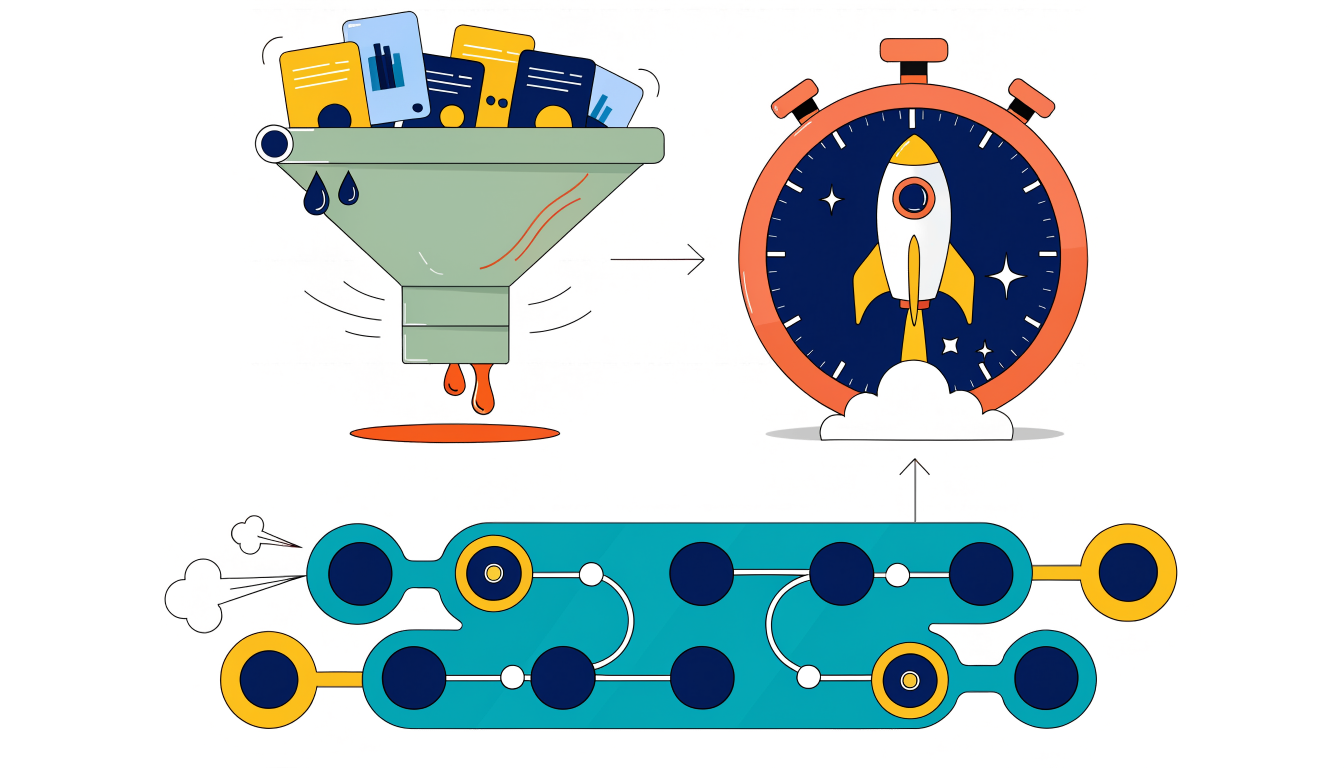
Here's where momentum matters most. LinkedIn tests your post with a small initial audience to measure early engagement. Critically, comments count twice as much as likes in this evaluation. The platform measures something called Depth Score, which tracks how long people spend actually reading your content, not just whether they click a reaction button. Posts that generate genuine dwell time signal relevance and move forward.
Stage 3: Extended Distribution (2+ Hours)
If your post passes the golden hour test, it enters extended distribution. LinkedIn pushes it to users based on interest alignment and expertise matching. This stage can continue for weeks; posts that maintain engagement and relevance can resurface in feeds long after publishing.
The data is clear: 70% of your total reach is decided in the first 90 minutes. That's not a limitation; it's your roadmap. You now know exactly when to optimize, where engagement matters most, and why comments are your real currency on LinkedIn.
What the Algorithm Now Rewards: Authenticity, Expertise, and Relevance
The 2025 LinkedIn algorithm operates on a fundamentally different principle than what built millions of followers in previous years. LinkedIn's language models now understand semantic meaning, context, and genuine relevance with remarkable accuracy. This shift has created a clear winner: creators who provide actual value to their specific audience.
Here's what changed. Relevance now beats recency entirely. A thoughtful post from three weeks ago about your core expertise can outrank yesterday's surface-level observation if it genuinely serves your audience's professional needs. Authority outweighs activity; the algorithm recognizes when you've built real expertise in a domain and rewards consistency in that lane over posting volume. The algorithm rewards creators who stay in their lane, recognizing expertise when posting consistently about one topic.
Engagement quality has replaced engagement quantity. Comments from industry peers, fellow practitioners, and people genuinely interested in your topic matter exponentially more than 100 random reactions from unrelated accounts. Dwell time signals interest; if someone reads your post fully and engages thoughtfully, the algorithm notices. Engagement bait no longer works. Posts designed purely to trigger reactions are actively suppressed, not just deprioritized.
Authenticity and personality now determine reach more than polished frameworks or stock imagery. Show your face. Share your actual thinking process, not just conclusions. Personal profiles significantly outperform company pages because audiences connect with people, not logos. This isn't permission to be unprofessional; it's permission to be real.
The practical implication is stark: you can no longer fake your way to reach. The algorithm has become a filter for genuine value creation. If you're posting consistently in your area of actual expertise, engaging meaningfully with your professional community, and showing up as a real person with real perspective, the algorithm works in your favor. This isn't a loss; it's a reset toward what actually builds sustainable influence.
Hashtags, Carousels, and Content Formats: What Changed
The 2025 algorithm eliminated hashtag-based feed discovery entirely. LinkedIn removed the ability to follow hashtags and eliminated the Talks About section in Creator Mode, replacing discovery with AI recommendations instead. Hashtags still serve a purpose, though: they improve searchability and help users find your content through direct searches. The shift means you can't rely on hashtags to boost feed visibility, so your content strategy must pivot toward formats and substance that the algorithm actively rewards.
Video content now receives higher priority in the feed as LinkedIn accelerates its video-first approach. Video posts get elevated placement compared to other formats, making this non-negotiable for serious reach. PDF carousels, once reliable workhorses, are slightly deprioritized unless they deliver exceptional value; generic slide decks won't cut it anymore. Document carousels still generate strong dwell time compared to text-only posts, so the format works if your content justifies the format.

Polls remain surprisingly effective because they trigger immediate interaction. Long-form posts still generate strong reach when well-structured and genuinely valuable; the algorithm rewards depth over brevity if substance backs it up. Live streams are becoming increasingly prominent in the feed, signaling LinkedIn's push toward real-time engagement. External links reduce reach noticeably, so keep users on-platform whenever possible. The message is clear: format matters, but value matters more. Choose formats that align with your content type, not trends alone.
Practical Strategies to Win the New LinkedIn Algorithm
The 2025 algorithm rewards specificity over breadth. Pick one area of expertise and own it. If you're a product manager, post consistently about product strategy, not random career advice. The algorithm learns what you're known for and routes your content to people searching for exactly that perspective. This topic consistency compounds over weeks, not days.
Timing remains non-negotiable. Post when your audience is awake and scrolling, not when it's convenient for you. Research shows that posting when your audience is asleep kills your reach in the critical first hour, which determines whether the algorithm amplifies your post or buries it. Use LinkedIn Analytics to identify your peak engagement windows, then build your publishing schedule around those moments.
Dwell time is the metric that actually matters now. Write posts that make people stop scrolling and read to the end. This means starting with a hook that creates curiosity, not a generic question. Show your face, use your real voice, and avoid the polished corporate tone. The algorithm heavily favors personal voices over corporate messaging, which means vulnerability often outperforms perfection.
Verified profiles get visibility advantages you can't ignore. If you haven't verified your account yet, do it this week. It signals authority to the algorithm and increases your content distribution ceiling.
Relationship depth matters more than follower count. The algorithm prioritizes content from people you genuinely interact with. Start engaging meaningfully with creators in your niche before you expect them to engage with your posts. Comment with substance, not generic praise. This builds the relationship foundation that the algorithm then rewards.
Finally, keep users on LinkedIn. External links in your main feed posts signal low engagement to the algorithm and get deprioritized. Save links for comments or your profile.
These tactics work because they align with what the algorithm actually measures: authenticity, relevance, and time spent. Apply them together, not individually.
How GetViews.AI Helps You Navigate the 2025 Algorithm
The 2025 LinkedIn algorithm isn't your enemy; it's a filter that rewards intentionality. The creators experiencing reach recovery aren't working harder. They're working differently, armed with data and the right tools to execute at scale.
GetViews.AI was built precisely for this moment. Its content creation suite helps you move beyond guesswork, generating authentic posts grounded in your genuine expertise rather than algorithmic tricks. The platform analyzes what actually resonates with your audience, then guides you toward topics and formats that convert engagement into real business outcomes.
The critical first hour determines everything. GetViews.AI's analytics dashboard shows you exactly when your audience is most active and what content triggers immediate interaction. This isn't theoretical; it's the difference between a post that reaches 200 people and one that reaches 20,000. Automation features ensure you're posting during peak windows consistently, eliminating the friction that kills momentum.
Beyond posting, the platform optimizes your engagement strategy. Building genuine relationships with first-degree connections transforms your network from passive followers into active advocates. GetViews.AI identifies which audience segments respond strongest to your niche expertise, letting you double down on what works.
Creators and sellers using this approach consistently report measurable reach recovery and sustained engagement growth. The algorithm shift separated those adapting from those complaining. Success in 2025 requires both understanding how LinkedIn changed and executing with precision. Ready to recover your reach?
FAQ: LinkedIn Algorithm Changes 2025
Q: Why did my LinkedIn reach drop 50% in 2025?
LinkedIn shifted its core ranking signal from engagement metrics to professional relevance and content quality. The platform deprioritized viral content in favor of posts that genuinely help your network solve problems or advance their careers. If your reach tanked, it's likely because your content wasn't resonating with your immediate connections first, which is now the foundation for algorithmic distribution.
Q: Should I still use hashtags?
Yes, but with realistic expectations. Hashtags improve searchability within LinkedIn's search function, but they no longer influence feed ranking or visibility. Use 3-5 relevant hashtags at the end of your post for discoverability, not as a reach multiplier.
Q: Does posting frequency still matter?
Quality beats quantity now. Posting daily won't help if your content isn't valuable. Focus on 2-3 high-quality posts weekly that address specific pain points your audience faces. Consistency matters more than volume.
Q: Can I recover from engagement pods?
Pod activity now signals inauthenticity to the algorithm and can suppress your reach. Stop participating immediately. Recovery takes 2-4 weeks of genuine engagement with your actual network. Rebuild by commenting thoughtfully on posts from people in your industry.
Q: What's the best time to post?
Post when your audience is most active, typically Tuesday through Thursday, 8 AM to 2 PM in their timezone. However, timing is secondary to content quality. A mediocre post at peak hours underperforms a strong post at off-peak times.
Q: Will the algorithm change again in 2026?
Yes. LinkedIn continuously refines its system. Stay ahead by focusing on evergreen principles: authentic engagement, professional value, and community building. These fundamentals outlast any algorithm update.