LinkedIn Company Page Examples: 10 Inspiring Brands to Learn From
Why LinkedIn Company Pages Matter More Than Ever in 2026 Your LinkedIn company page isn't just a digital business card anymore. It's a revenue-generating asset...
Wilmer KarlssonTarstad
Why LinkedIn Company Pages Matter More Than Ever in 2026
Your LinkedIn company page isn't just a digital business card anymore. It's a revenue-generating asset that most of your competitors are probably neglecting right now.
Here's why this matters: LinkedIn has over 1 billion members, making it the world's largest professional network. But here's the real opportunity. Most businesses treat their company pages like afterthoughts, posting sporadically and leaving critical sections incomplete. This creates a massive gap between you and companies that actually optimize.
The numbers tell the story. Businesses with fully optimized LinkedIn pages receive 35% more profile views and generate 5 times more leads than those with incomplete profiles. That's not marginal improvement; that's the difference between a page that works for you and one that drains your potential.
Think about it: if you're losing leads to competitors simply because your page looks unfinished or uninspiring, that's revenue walking out the door. An outdated description, missing company details, or weak content strategy signals to prospects that you're not serious about your business.
The brands we'll explore in this article understand something crucial: your LinkedIn page is where B2B buyers form first impressions. They're researching your company before reaching out. They're checking if you're legitimate, innovative, and worth their time.
The good news? You can turn this around quickly. By studying what actually works on LinkedIn company pages, you'll have a clear roadmap to attract more leads, build credibility, and outpace competitors who are still sleeping on this opportunity.
Amazon, Google, and Disney: What the Top Brands Get Right
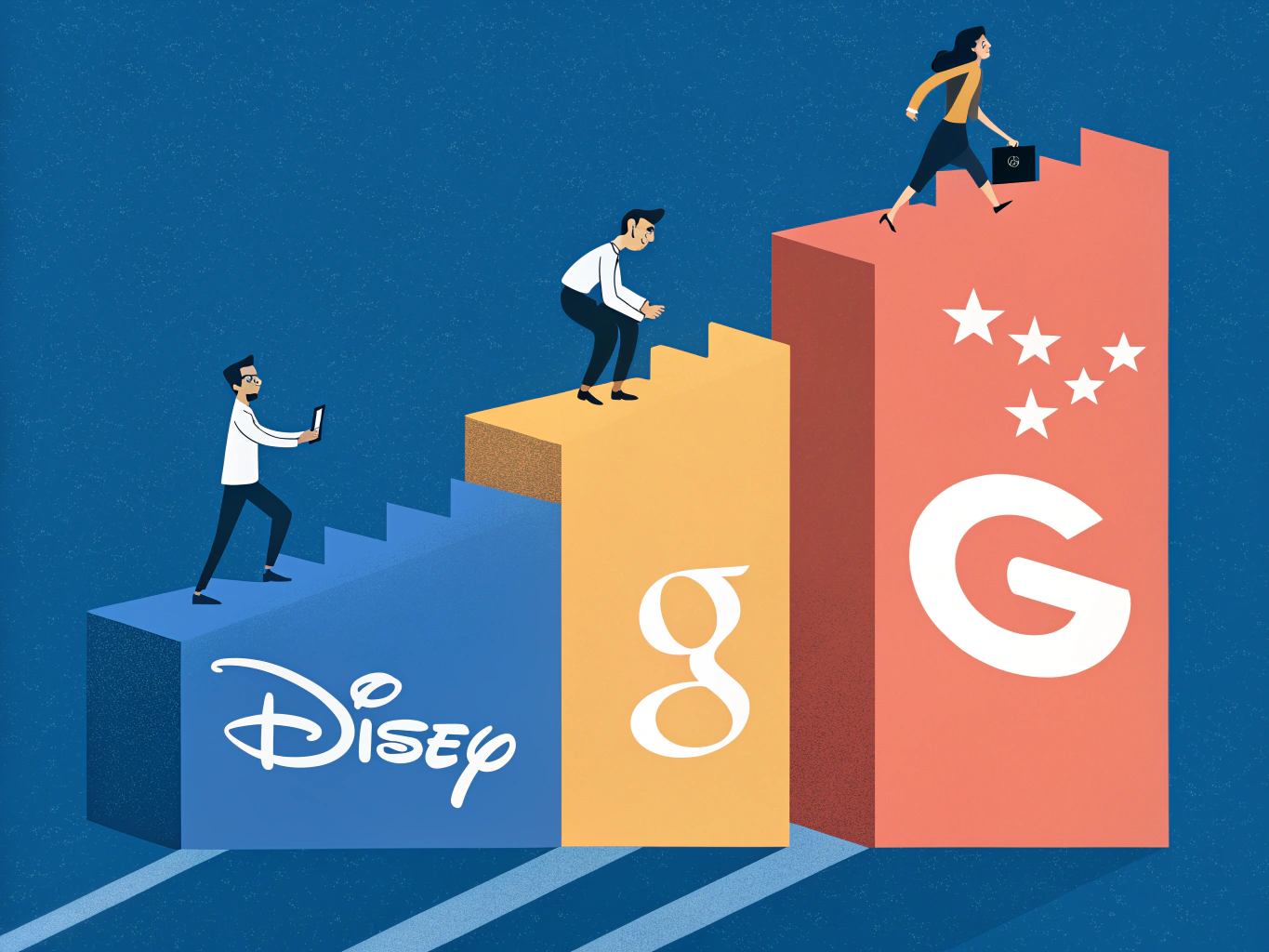
When you look at what separates okay LinkedIn pages from exceptional ones, three mega-brands consistently stand out: Amazon, Google, and Disney. They're not doing anything mysterious, but they're doing the fundamentals better than most.
Amazon's approach is straightforward but powerful. Amazon's LinkedIn Page uses colorful custom images and people-centric videos that receive 5x more engagement than text, and stays active by posting almost every day. Notice what this tells you: consistency matters more than perfection, and visuals beat walls of text. They're not trying to be clever; they're just reliable.
Google takes a different angle with their #MyPathToGoogle campaign. Google runs the #MyPathToGoogle campaign highlighting different journeys employees have taken and debunking myths about working at Google. This is genius because it humanizes a massive tech company. Instead of talking about their products, they talk about their people. You see engineers who started in different fields, managers who took unconventional paths, and employees explaining what it's actually like to work there. This builds trust because it answers questions your audience is already asking.
Disney's strategy surprises people. Disney shares mostly employee and business content, not entertainment content, attracting over 900,000 followers by focusing on what LinkedIn users care about. They could post clips from their latest blockbuster, but instead they share behind-the-scenes hiring stories, leadership insights, and employee spotlights. Why? Because LinkedIn users aren't there to be entertained; they're there for professional growth and human connection.
Here's what all three have in common: they prioritize people over products. They post regularly. They use visuals strategically. They answer the questions their audience actually cares about.
You don't need a billion-dollar marketing budget to apply these lessons. Start by asking yourself: are you showing the humans behind your brand? Are you posting consistently? Could you swap one promotional post for an employee story? That's where transformation begins.
The Anatomy of a High-Performing LinkedIn Company Page
Your LinkedIn company page is like your storefront. Every element serves a purpose, and when you get them right, the results speak for themselves. Let's break down what actually matters.
Start with your visual identity. Companies with a logo image see six times more traffic to their pages than those without, so this isn't optional. Your logo, banner image, and profile photo should be professional, on-brand, and immediately recognizable. These elements take seconds to set up but dramatically impact how people perceive your company.
Your About section is your SEO goldmine. LinkedIn pages are SEO-friendly with Google previewing up to 156 characters of your page text, so front-load this space with your most important keywords and value proposition. Don't bury the lead with generic corporate speak. Tell people exactly what you do and why it matters in the first sentence.
Next, use Showcase Pages and Product Pages to segment your messaging. If you have multiple business lines or products, these dedicated pages let you speak directly to specific audiences without cluttering your main feed. It's cleaner, more professional, and helps people find exactly what they're looking for.
The Life tab is where humanization happens. Members respond best to behind-the-scenes stories that highlight your unique culture and values. Share team moments, company events, and employee spotlights. This builds connection and attracts talent who actually want to work with you.
Here's the bottom line: companies with complete profiles across all sections receive 35% more views. That's not a coincidence. Every section you fill in makes your page more discoverable, more credible, and more compelling. Don't skip the work. The payoff is real.
Content Formats That Actually Drive Engagement (With Real Data)
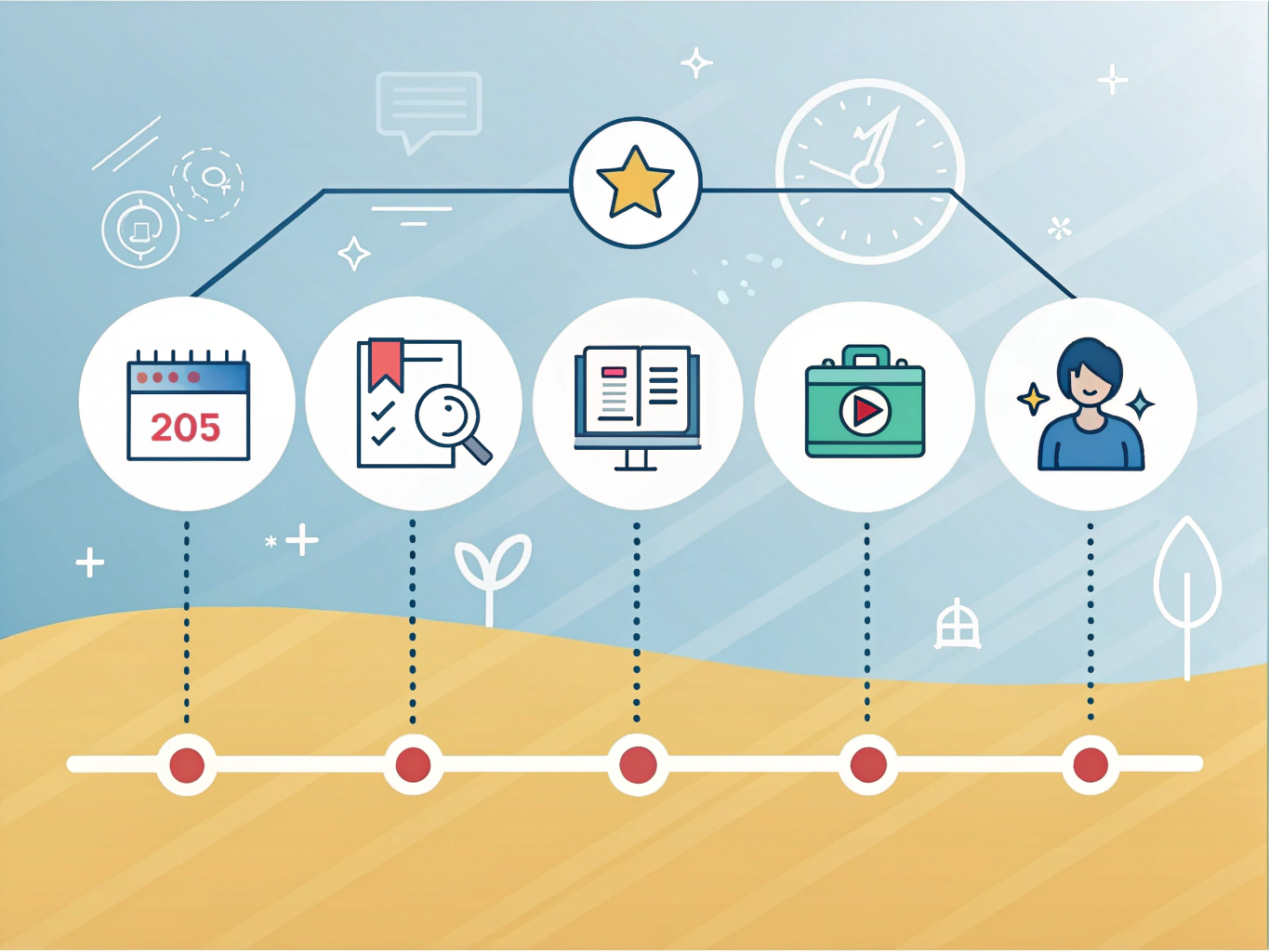
Here's what actually works on LinkedIn: not everything performs equally. Image posts receive 2x higher engagement than links, but the real winner is video. Videos on LinkedIn see an average of 3x more engagement than text-only posts, which is why leading brands are investing heavily in this format.
The sweet spot for images? Create custom collages with 3 to 4 images in a single post. This approach consistently outperforms single-image posts because it tells a more complete story without requiring your audience to click through.
But here's what most companies miss: posting frequency matters as much as format. Companies that post weekly see a 2x lift in engagement with their content, compared to sporadic posting. Consistency builds momentum and keeps your brand visible in people's feeds.
Employee-generated content and behind-the-scenes material consistently resonate more than polished corporate announcements. People connect with people, not logos. When your team shares real moments from your workplace, interviews, or day-to-day wins, engagement climbs noticeably.
Long-form articles and newsletters are gaining serious traction in 2025. They establish authority and give readers a reason to spend more time with your content. Mix these with quick-hit carousel posts for variety.
The formula isn't complicated: prioritize video, maintain weekly posting, use visual variety, and let your people shine. Track what works in your specific industry using your LinkedIn analytics. What resonates for a tech company might differ from a B2B service provider. Start with video and images, measure results, then double down on what your audience actually engages with.
IBM, Coca-Cola, and BlackRock: Case Studies in Thought Leadership
Here's what happens when you combine deep expertise with consistent LinkedIn presence: real revenue. Let's look at three brands that turned thought leadership into measurable business results.
IBM topped LinkedIn rankings with 1.8 million interactions and has added nearly 1.5 million followers with over 2.5 million people subscribing to company updates. Their strategy isn't complicated. They post regularly about industry trends, technical insights, and company culture. The volume and consistency built trust, and trust converted to leads and brand authority.
BlackRock took a different approach, focusing on sophisticated investment content and market analysis. Their Global Director of Social Media estimated that LinkedIn was driving $17-18 million dollars of revenue for the financial investment company. That's not vanity metrics; that's direct revenue attribution. They succeeded because they answered questions their audience actually cared about: market forecasts, investment strategies, and economic commentary. Their content wasn't promotional; it was genuinely useful.
Then there's ThoughtWorks, a software consulting firm that saw explosive lead generation results. They generated 20 times more leads on LinkedIn than all of their other platforms combined, with 90% of marketing qualified leads coming through LinkedIn. How? By sharing technical expertise, project case studies, and industry insights that spoke directly to their target buyers.
The pattern across all three is clear: they prioritized audience value over promotion. IBM educated. BlackRock advised. ThoughtWorks demonstrated expertise. They posted consistently, tracked what worked, and doubled down on it.
Your company page doesn't need millions of followers to succeed. It needs a clear point of view and content worth sharing. Start by identifying what your audience needs to know, then commit to showing up regularly with answers.
Employee Advocacy and Culture: Why UPS, Slack, and Others Win
Here's your section:
Your employees are your most credible marketers. When someone shares a genuine story about working at your company, people listen. That's because employee-generated content feels authentic in a way corporate messaging never can.
UPS understands this perfectly. Their campaigns like #ThanksForDelivering and #SmallBizPROfiles celebrate drivers and the small business owners they serve, turning everyday work into stories that matter. Amazon took a different approach: they asked employees to describe their roles in just three sentences or less. Simple, right? Yet this formula generated quality engagement because it felt personal and accessible.
Slack demonstrates another winning strategy. Rather than talking about themselves constantly, they educate their audience and share case studies from organizations using their platform. This positions them as community builders, not just product pushers.
The real magic happens when you encourage your team to share company content on their own profiles. Their networks are different from yours. When your marketing manager shares a post, it reaches one audience. When fifty employees share that same post, you've just amplified your reach exponentially.
Behind-the-scenes culture content works especially well. Show how your team collaborates, celebrates wins, and tackles challenges together. This attracts talent who want to work somewhere they'll belong, not just collect a paycheck. People want to join communities where they see themselves reflected in the faces and stories already there.
Word count: 310
Your Action Plan: Building an Inspiring LinkedIn Company Page
Now that you've seen what top brands are doing, here's your roadmap to build something equally compelling.
Start with Phase 1: the foundation. Upload a clear logo, design a professional banner, and write an About section packed with keywords your audience actually searches for. This takes a few hours and immediately signals legitimacy.
Move to Phase 2 within your first month: commit to a consistent posting schedule. Aim for at least one post weekly, but three to four posts per week will accelerate your growth significantly. Once your page gains 150 followers, your opportunity for growth becomes exponential, so treat this phase as your launchpad.
Phase 3 is about variety. Mix images, videos, quick polls, and employee spotlights throughout your month. This keeps your feed fresh and prevents audience fatigue.
In Phase 4, actually engage. Respond to every comment within 24 hours. Tag relevant people when appropriate. This isn't optional; it's what separates active pages from ghost accounts.
Finally, Phase 4 demands measurement. Check your analytics monthly. Track follower growth, engagement rates, click-throughs, and leads generated. Identify which post types resonate, then double down on those winners.
Marketers on LinkedIn experience a 2x increase in their conversion rates, so this investment pays off. The brands we covered didn't build authority overnight. They started exactly where you are now, stayed consistent, and let results compound.
Your turn. Pick one phase and start this week.