How to Build a LinkedIn Lead Generation Funnel That Converts
Wilmer KarlssonTarstad
Last Updated: November 4, 2026
TL;DR
- A LinkedIn lead generation funnel is a 3-stage system: Awareness (profile + content), Nurture (messaging + engagement), Conversion (offers + demos)
- LinkedIn outreach generates 15-25% response rates, beating cold email's 5.1%, making it the top B2B sales channel
- Use intent signals and AI-personalized outreach for 40-60% connection acceptance rates instead of generic templates
- Measure everything: track conversion rates between funnel stages to identify and fix bottlenecks
- Combine organic content, smart automation, and Lead Gen Forms to move prospects from cold contact to qualified lead
What Is a LinkedIn Lead Generation Funnel and Why It Matters
You've probably tried random LinkedIn outreach. You send 50 messages, get 2 responses, and wonder why the effort feels futile. The problem isn't LinkedIn itself; it's that you're treating it like a broadcast channel instead of a structured sales system.
A LinkedIn lead generation funnel is the systematic journey a prospect takes from first encountering your content to becoming a qualified sales lead. Unlike scattered outreach, it's a deliberate process that educates, builds trust, and creates natural reasons for people to engage with you. Think of it as a filter: wide at the top where you attract many prospects through valuable content, gradually narrowing as you qualify and nurture the most promising ones into actual leads.
Here's why this matters urgently for B2B founders and sellers in 2026: LinkedIn outreach generates 15-25% response rates compared to cold email's 5.1%, making it the dominant B2B sales channel by a significant margin. That's not a minor difference; it's the difference between sustainable growth and spinning your wheels.
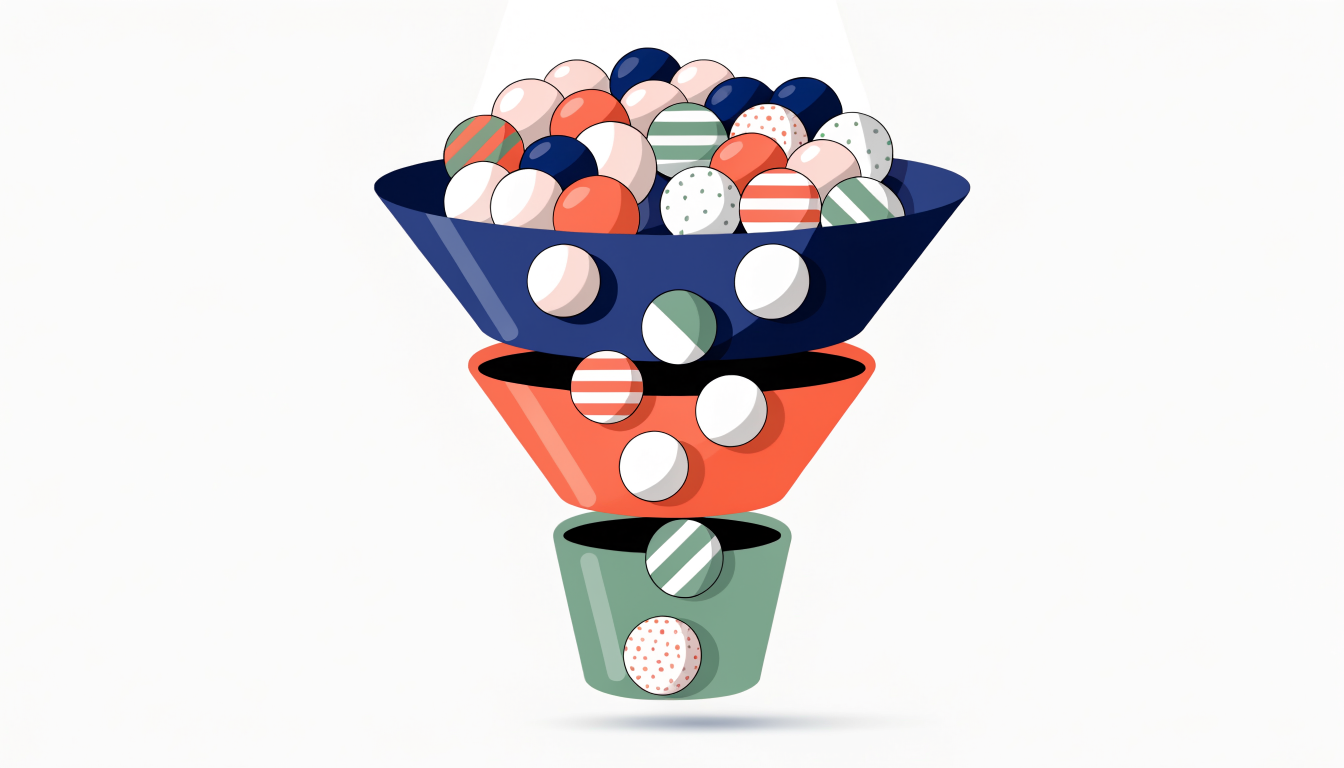
The funnel works because it transforms cold leads into warm ones through education and consistent visibility. Rather than hoping someone replies to a cold message, you're building credibility first, then reaching out when they already recognize your value. For founders scaling teams and sellers hitting quota, this framework turns LinkedIn from a networking platform into a revenue engine.
The 3-Stage LinkedIn Funnel Framework: Awareness, Nurture, and Conversion
A LinkedIn lead generation funnel works like a filtering system. You cast a wide net at the top to build awareness, then progressively qualify and move serious prospects toward a sale. Understanding each stage helps you deploy the right content and messaging at the right time.
Stage 1: Awareness (Top of Funnel)
Your goal here is visibility and credibility. Prospects don't know you exist yet, so you need to show up in their feeds with valuable, relevant content. Educational posts about industry challenges, white papers, and free templates work exceptionally well. A founder might post about common mistakes in their industry, or share a data-backed insight that sparks conversation. The focus is organic reach and engagement, not immediate sales. Your profile optimization matters too; a polished headline and clear value proposition make people want to follow you.
Stage 2: Nurture (Middle of Funnel)
Now prospects know who you are. They're considering whether your solution fits their needs. This is where case studies, solution guides, and use case content shine. Send personalized messages referencing their recent activity or mutual connections. Offer a lead magnet like a free assessment, checklist, or strategy guide in exchange for their email. The goal is building relationship and trust through consistent, helpful engagement. You're proving your expertise while gathering more information about their pain points.
Stage 3: Conversion (Bottom of Funnel)
Prospects are ready to make a decision. They want specifics: how much does it cost, how does it work, what's the timeline? Demo requests and pricing comparisons become your primary content. Direct them to a quick discovery call or product walkthrough. Remove friction by making the next step obvious and easy.
The key is matching your content to where prospects sit in their buying journey. Awareness stage content fails at conversion; conversion content wastes time during awareness. Get this sequencing right, and your funnel converts at rates that justify your effort.
Stage 1: Build Awareness with Profile Optimization and Content
Your LinkedIn profile is the first impression prospects get after you send a connection request. Before you worry about messaging or automation, this foundation needs to work hard for you.
Start with your headline. Don't just say "Sales Director" or "B2B Marketer." Instead, lead with the specific problem you solve: "Help B2B SaaS Companies Close 40% More Deals Through LinkedIn Outreach" or "Scale Your Agency Without Hiring More Salespeople." This tells prospects immediately if you're relevant to them.
Your summary section should read like a conversation, not a resume. Share your philosophy, your best results, and the type of companies or founders you work with. Include 2-3 specific wins or outcomes. This builds authority and helps prospects self-qualify before they ever reach out.
The featured section is underutilized gold. Pin your best case studies, webinar recordings, or thought leadership pieces here. When someone visits your profile, they see proof of your work instantly.
Now for content. Post 2-3 times per week with a value-first approach. Share insights, lessons learned, or client wins that speak directly to your ideal audience. Avoid product pitches; instead, focus on the problems your prospects face daily. AI-driven tools now help identify which topics resonate most with your audience, so use them to guide your content calendar.
Before sending connection requests, engage with prospect posts. Comment thoughtfully on their content, ask genuine questions, and build familiarity. This warm approach converts at significantly higher rates than cold outreach alone.
Stage 2: Nurture Leads with Smart Messaging and Lead Magnets
Once someone accepts your connection request, the real work begins. This is where most B2B founders and sellers drop the ball, treating new connections like they're already customers. They're not. They're prospects who need reasons to trust you, and that trust gets built through intentional, personalized nurturing.
Start by engaging before you pitch. Comment on their recent posts with genuine observations, not generic emoji reactions. This softens the relationship and signals you're genuinely interested in their work, not just their wallet. Then, when you send a direct message, reference something specific about their profile, recent activity, or company. "I noticed you just published a piece on supply chain automation" beats "I help companies with supply chain solutions" every single time.
Connection requests themselves matter more than you'd think. Stick to 100 per week as your safe maximum, and use intent signals to identify prospects actively showing buying behavior. Teams using intent signals report 40-60% connection acceptance rates, which dramatically improves your funnel efficiency.
Lead magnets are your secret weapon for capturing contact information and moving prospects deeper into your funnel. Offer something genuinely useful: downloadable reports, ROI calculators, industry benchmarks, or exclusive webinar recordings. The key is relevance; a generic eBook won't cut it anymore.
Here's where automation gets tricky. Use AI tools to draft your outreach messages, but always review them before hitting send. Automation should support human-like interactions, not replace them. When you add that personal touch before sending, your response rates climb significantly. Your prospects can feel the difference between templated spam and a message that was actually written with them in mind.
Smart nurturing through personalized content, targeted messaging, and consistent engagement keeps conversations alive and builds the foundation for higher conversion rates down the funnel.
Stage 3: Convert with Offers, Lead Gen Forms, and Retargeting
This is where warm prospects become paying customers. The conversion stage demands precision, clear value propositions, and friction-free mechanisms that move leads toward a sales conversation.
LinkedIn Lead Gen Forms convert at 6.1%, roughly five times higher than off-platform landing pages. The magic lies in pre-filled fields. When LinkedIn auto-populates a prospect's name, email, and company, you eliminate friction. They click, not type. Your conversion rate climbs. Pair these forms with Sponsored Content featuring clear, compelling CTAs: "Download," "Learn More," "Contact Us," or "Sign Up." The specificity matters; vague calls to action don't convert.
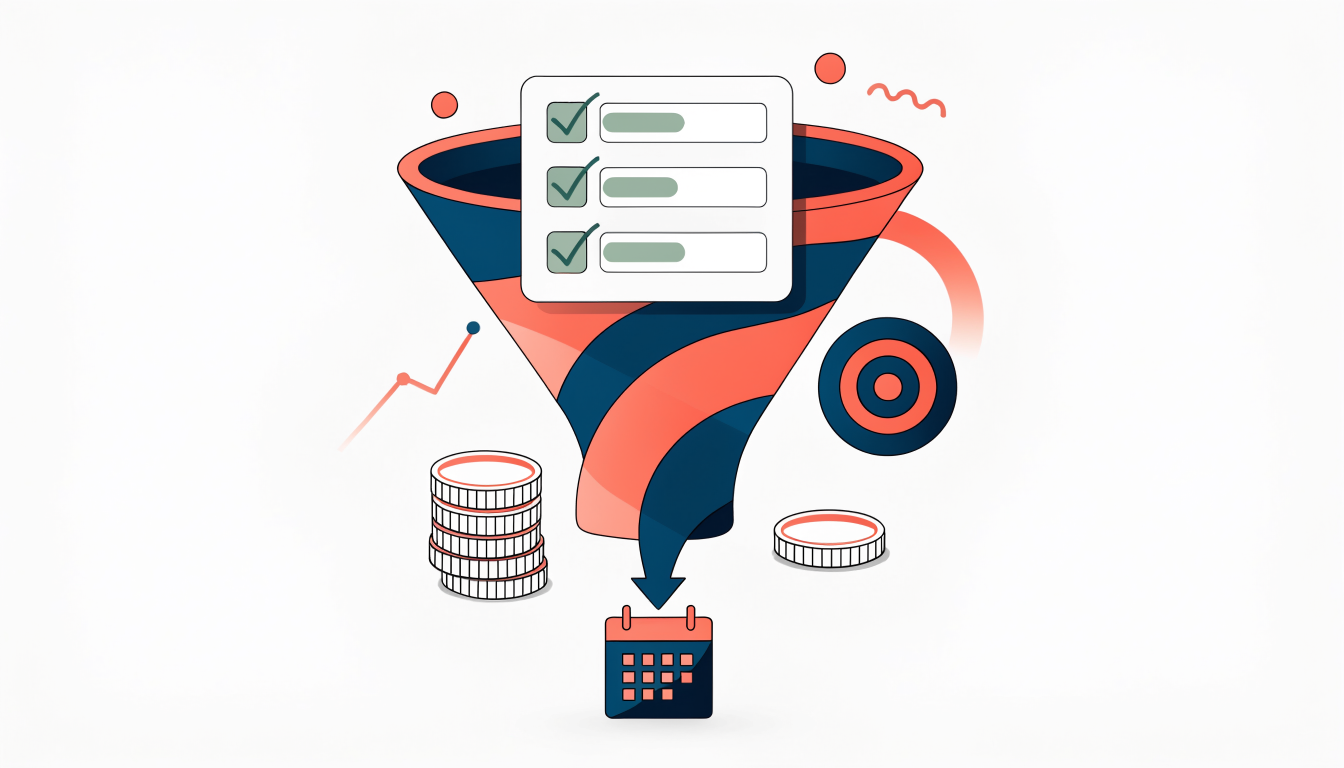
Retargeting amplifies conversion rates significantly. Install the LinkedIn Insight Tag to track website visitors and serve them targeted ads showcasing your strongest bottom-of-funnel content: product demos, ROI calculators, pricing pages, and case studies. These assets address the final objections keeping prospects from committing.
Here's the critical insight: most deals close off LinkedIn. Move qualified leads to email or phone where reply rates are higher. LinkedIn generates awareness and interest; email and phone generate revenue. Once a prospect fills your Lead Gen Form or books a demo slot, immediately sequence them into a nurture email campaign or schedule a direct call. Don't let the momentum fade. The funnel's job is conversion; your job is closing.
Measure, Optimize, and Scale Your Funnel with Analytics
A funnel you cannot measure is just guesswork. The most useful number is the conversion rate between each stage, because that's what tells you where the funnel is actually breaking. If your connection acceptance rate sits at 35% but your message open rate drops to 18%, you've found your bottleneck. Now you can fix it.
Start tracking these core metrics immediately: connection acceptance rate (target: 40-50%), message open rate (target: 25-35%), demo booking rate (target: 8-12%), and cost per lead. Pair LinkedIn's native analytics dashboard with your CRM to create a single source of truth. This integration eliminates guesswork and reveals patterns that spreadsheets miss.
A/B testing becomes your secret weapon once you have visibility. Test subject lines, opening hooks, call-to-action phrasing, and offer timing. Small improvements compound. A 3% increase in message open rate might sound modest until you realize it means 30 more qualified conversations per month.
Scaling requires discipline. A single LinkedIn account sending 100 connection requests per week generates 400-450 invites per month, but respect this limit. Exceed it and LinkedIn throttles your reach. Growth that violates platform guardrails isn't growth; it's a liability.
The teams crushing it on LinkedIn aren't smarter. They're just obsessive about measurement. They treat their funnel like a living organism, constantly monitoring vital signs and making micro-adjustments. That's how you move from 2-3 qualified leads monthly to 15-20. Measurement isn't optional; it's the entire game.
FAQ: Common Questions About LinkedIn Lead Generation Funnels
Is automation safe on LinkedIn?
Yes, but only if you're strategic about it. LinkedIn discourages spammy automation but allows thoughtful personalization at scale. The difference comes down to intent. Mass-blasting generic messages gets accounts flagged. Sending personalized connection requests with relevant context doesn't. Keep your connection notes under 300 characters and avoid any sales pitch; the note's only job is getting the accept.
How long before I see actual results?
Most founders see their first qualified conversations within 2-3 weeks if they're running consistent outreach. Real pipeline momentum typically builds over 6-8 weeks. This isn't overnight, but it's faster than waiting for inbound alone.
Can I build a funnel for free?
Partially. You can prospect, connect, and message for free using LinkedIn's native tools. What costs money is scale and intelligence. Free tools get you started; AI-powered outreach platforms let you personalize at speed without sounding robotic.
Outbound versus inbound: which wins?
Both matter. Inbound builds credibility through content; outbound creates urgency through direct conversation. The most effective strategy combines intent-signal targeting with AI-personalized, human-approved outreach. You're not choosing one or the other; you're layering them.
What gets accounts restricted?
Rapid connection requests to strangers, identical copy-paste messages, and aggressive follow-ups trigger LinkedIn's spam filters. Space your actions, vary your messaging, and respect the 300-character connection note rule. Most restrictions happen because people rush.
Which tools actually work?
Use native LinkedIn for relationship building and AI tools for outreach personalization. Combine them strategically rather than relying on one solution.
Key Takeaways: Build Your LinkedIn Funnel Today
Building a LinkedIn lead generation funnel doesn't require perfection; it requires consistency and strategy. Here's your action plan to start today.
First, audit your profile. Your headline, summary, and featured section should immediately communicate your value proposition. This is where prospects decide whether to engage or scroll past.
Next, commit to posting 2-3 times weekly with content that educates, entertains, or challenges your audience. This builds visibility and positions you as someone worth connecting with. Use AI tools for LinkedIn outreach to streamline your content creation without sacrificing authenticity.
When sending connection requests, reference something specific from their profile or recent activity. Personalized outreach converts at 40-60% versus generic requests that get ignored.
Once connected, nurture relationships through genuine conversations and lead magnets like templates or guides. Trust precedes sales; skip this step and you'll plateau.
Finally, deploy Lead Gen Forms on sponsored content with clear conversion goals. Measure everything: profile views, connection acceptance rates, message response rates, and form submissions. Each metric reveals where your funnel leaks.
The businesses winning on LinkedIn right now aren't waiting for the "perfect" strategy. They're starting with these fundamentals, testing, and iterating. Your competitive advantage isn't complexity; it's momentum. Begin this week.
Build Your LinkedIn Lead Generation Funnel with GetViews.AI
Building a LinkedIn lead generation funnel isn't theoretical; it's tactical. You've now seen how profile optimization, consistent content, strategic outreach, and data-driven iteration work together to create a system that actually generates qualified leads.
The real challenge isn't understanding these pieces. It's executing them consistently, at scale, without burning out your team. Manual prospecting, content creation, and follow-ups drain time and resources fast. This is where automation becomes essential.
Platforms like GetViews.AI handle the repetitive work: generating personalized outreach messages, creating content variations, tracking engagement metrics, and identifying your warmest prospects. The AI does the heavy lifting while you focus on relationship-building and closing.
Start small. Pick one stage of your funnel, measure your baseline, then optimize. Maybe that's improving your profile summary, or testing a new content cadence. Track everything: profile views, message response rates, meeting bookings, and conversion to customers. Small wins compound quickly.
The founders and sellers winning on LinkedIn right now aren't waiting for the perfect strategy. They're testing, learning, and iterating with the right tools in place.
Your funnel won't build itself. But with the right system, it doesn't have to drain your calendar either. Start today, measure tomorrow, optimize next week. That's how you win.