LinkedIn Marketing B2B Sales & Lead Generation from Scratch
Last Updated: February 6, 2026 TL;DR: LinkedIn Lead Generation Essentials LinkedIn dominates B2B: 89% of marketers use it, generating 80% of social leads Profil...
Wilmer KarlssonTarstad
Last Updated: February 6, 2026
TL;DR: LinkedIn Lead Generation Essentials
- LinkedIn dominates B2B: 89% of marketers use it, generating 80% of social leads
- Profile optimization plus consistent content creates the foundation for lead generation
- Sales Navigator and LinkedIn Ads enable precise targeting of decision-makers
- Automation tools scale outreach safely while maintaining personalization
- Quick response (24 hours) and CRM integration convert leads into meetings
Table of Contents
- Why LinkedIn Dominates B2B Lead Generation in 2026
- Step 1: Optimize Your LinkedIn Profile as Your Lead Magnet
- Step 2: Build a Content Strategy That Attracts Decision-Makers
- Step 3: Master Direct Outreach and Messaging Strategy
- Step 4: Leverage LinkedIn Ads and Lead Generation Forms
- Step 5: Build Your Lead Nurturing and Follow-Up System
- Step 6: Scale with LinkedIn Automation Tools (Safely)
- Advanced Tactics: Social Selling Index and Account-Based Marketing
- Frequently Asked Questions About LinkedIn Lead Generation
- Key Takeaways: Your LinkedIn Lead Generation Action Plan
- Ready to Transform Your LinkedIn Lead Generation?
Why LinkedIn Dominates B2B Lead Generation in 2026 {#why-linkedin-dominates-b2b-lead-generation-in-2026}
Here's the section:
Let's start with the numbers that matter. 89% of B2B marketers use LinkedIn for lead generation, and 62% confirm it actually produces leads. Better yet, LinkedIn generates 80% of all B2B leads from social media platforms, making every other social network combined look like a rounding error.
Why does this matter to you? Because LinkedIn isn't a social network where people share vacation photos and memes. It's a professional marketplace with over 1.2 billion users, including decision-makers actively looking for solutions to their business problems. These aren't casual browsers; they're executives, procurement managers, and business owners with real budgets and purchasing authority.
Here's what separates LinkedIn from the noise: social selling has shifted from optional to essential. 78% of salespeople engaged in social selling outsell peers who don't use social media. This isn't about posting content and hoping something sticks. It's about strategic visibility, authentic engagement, and positioning yourself where your ideal clients already spend their professional time.
The opportunity is real, but only if you approach it strategically. Throughout this guide, you'll learn exactly how to build a presence that attracts qualified leads, establish credibility in your industry, and convert connections into customers. No guesswork. No shortcuts. Just proven tactics that work in 2026.
Ready to become the lead generation professional your company needs? Let's build this foundation together.
Step 1: Optimize Your LinkedIn Profile as Your Lead Magnet {#step-1-optimize-your-linkedin-profile-as-your-lead}
Your LinkedIn profile is essentially your digital storefront. If it's incomplete or generic, prospects will scroll past. But optimize it strategically, and you'll attract qualified leads consistently.
Start with your headline. Most people write something like "Sales Manager at Company X." Instead, include a keyword-rich value proposition. Try: "B2B Sales Leader | Helping Tech Companies Close Enterprise Deals 40% Faster | Revenue Growth Specialist." This tells viewers exactly who you help and why they should care.
Your profile photo matters more than you think. Use a professional headshot with good lighting, clear focus on your face, and a neutral background. Pair this with a custom banner that reinforces your positioning. 82% of B2B marketers report succeeding most on LinkedIn with complete profiles, and a polished visual presentation is a significant part of that success.
Your summary is where you address your target audience directly. Skip the autobiography. Instead, write to your ideal prospect's pain points. For example: "If your sales team is struggling to generate qualified leads without burning through budget, I help you build a predictable pipeline using LinkedIn." Then explain your approach and include a clear call-to-action: "Let's connect if you're serious about growth."
The featured section is often overlooked but incredibly powerful. Pin your best case studies, articles, or presentations here. When someone visits your profile, they'll immediately see proof of your expertise. This builds credibility fast.
Finally, make your CTA obvious. Whether it's scheduling a call, downloading a guide, or connecting with a message, tell people exactly what to do next. Don't leave them guessing.
A complete, optimized profile signals professionalism and intent to prospects. It's the foundation every lead generation strategy needs.
Step 2: Build a Content Strategy That Attracts Decision-Makers {#step-2-build-a-content-strategy-that-attracts-deci}
Your content strategy is the engine that drives inbound leads on LinkedIn. Without it, you're just posting randomly and hoping something sticks. That doesn't work.
Start by identifying three to four content pillars relevant to your industry and audience. These might include industry insights, product education, customer success stories, or thought leadership on emerging trends. This framework keeps your content focused and prevents the scattered approach that kills engagement.
Post one to two times per week for sustainable growth and consistent visibility. This frequency keeps you top-of-mind without overwhelming your audience or burning you out. Quality beats quantity every single time.
Now, here's what works on LinkedIn: text posts actually outperform static images for professional B2B content. People come to LinkedIn for substance, not just pretty pictures. However, video content is the real winner, receiving 5x more engagement than static posts. Consider mixing short-form videos, screen recordings, or talking-head content that addresses specific pain points your prospects face.
Your content must map to the buyer's journey. Early-stage prospects need educational content that introduces problems and solutions. Mid-stage prospects want case studies and detailed comparisons. Decision-makers seek ROI-focused content and implementation insights. By addressing each stage, you capture leads at every point in their consideration process.
Engagement is where the real magic happens. Responding to comments within the first hour significantly boosts reach. When you reply thoughtfully to others' posts and engage with your audience's content, you build relationships that convert to opportunities. This isn't manipulation; it's genuine connection that establishes trust.
Educational and thought leadership content drives measurable results. When you consistently share valuable insights, decision-makers begin seeing you as a trusted resource rather than just another salesperson. This authority translates directly into inbound lead generation without aggressive pitching.
Step 3: Master Direct Outreach and Messaging Strategy {#step-3-master-direct-outreach-and-messaging-strate}
Direct messaging on LinkedIn is where real conversations start. But here's the thing: most outreach fails because people lead with what they want, not what prospects need.
Start by personalizing every message. Spend 30 seconds reviewing your prospect's profile, recent posts, or company updates. Reference something specific: "I noticed you just published that article on supply chain optimization" or "Saw your company expanded into the European market." This signals you're not blasting generic templates to hundreds of people.
The golden rule: never pitch in your first message. Instead, lead with value. Share a relevant insight, ask a thoughtful question, or offer something useful without asking for anything in return. Your opening should feel like the start of a genuine conversation, not a sales attack.
Keep it short. Two to three sentences max. People skim LinkedIn messages on their phones while juggling ten other things. Respect their time, and they'll respect yours. Be clear about what you're offering and why it matters to them specifically.
Timing matters more than you'd think. Research indicates that responding to LinkedIn leads within 24 hours significantly boosts conversion rates. When someone engages with your content or accepts your connection request, strike while the iron is hot.
For higher-value prospects, consider LinkedIn InMail. Data shows InMail is 4.6x more effective than cold emails for business communication because it lands directly in the primary inbox rather than spam folders.
Build a multi-touch sequence. If someone doesn't respond, follow up after a week with a different angle or new value proposition. Most deals require multiple touchpoints; persistence wins.
What not to do: avoid corporate jargon, desperate language, or asking for a meeting in message one. Don't copy-paste templates. Don't message people at 2 AM with no context.
The best outreach feels human because it actually is. You're starting a relationship, not checking a box. Do that, and your response rates will reflect it.
Step 4: Leverage LinkedIn Ads and Lead Generation Forms {#step-4-leverage-linkedin-ads-and-lead-generation-f}
Paid LinkedIn advertising transforms your lead generation from a slow burn into a precision instrument. When you combine organic efforts with strategic paid campaigns, you're not just reaching more people; you're reaching the right people at scale.
Lead Gen Forms: Your Secret Weapon
LinkedIn's Lead Gen Forms are specifically built for B2B conversion. Research shows these forms achieve 10-15% submit rates on average, with 90% of B2B marketers reporting reduced cost per lead. Here's why they work: prospects submit information without leaving LinkedIn, removing friction from your funnel. Even better, data indicates adding a lead gen form to a text ad brings 4x more leads compared to directing clicks to external landing pages.
Targeting That Actually Works
LinkedIn's targeting capabilities are unmatched for B2B. You can narrow your audience by job title, industry, company size, seniority level, and even skills. This precision means your ad budget goes toward qualified prospects, not tire kickers. A VP of Sales at a mid-market SaaS company sees your message; a junior recruiter at a non-target company doesn't waste your impression budget.
Format Matters More Than You Think
Vertical ads outperform horizontal ones by 31% in engagement. Single-image ads with clear CTAs typically outperform carousel formats for lead generation. Test different creative angles, but keep messaging focused on the prospect's problem, not your product's features.
The Balance Strategy
Your organic content builds trust and authority; paid ads amplify that message to your ideal audience. Use organic to establish credibility, then use paid to reach decision-makers who haven't discovered you yet. LinkedIn recommends quality over quantity in lead generation because one qualified lead beats ten unqualified ones every time.
Start with a modest budget, track everything, and scale what converts.
Step 5: Build Your Lead Nurturing and Follow-Up System {#step-5-build-your-lead-nurturing-and-follow-up-sys}
The magic of LinkedIn lead generation happens after that first connection. You've got their attention, now you need to keep it, and a structured nurture system is how you do that.
Start by integrating LinkedIn with your CRM. LinkedIn form integration with CRM drives automated follow-up and sales engagement, ensuring prospects move into your database instantly without manual data entry. This automation eliminates friction and lets you focus on strategy, not spreadsheets.
Build email nurture sequences based on what prospects actually engaged with. If someone downloaded your pricing guide, send follow-ups that address common objections and showcase relevant case studies. If they engaged with your content about industry challenges, provide deeper resources that position you as a knowledgeable partner. The sequence should feel like a natural conversation, not a sales barrage.
Timing matters more than most realize. Space your touchpoints strategically: initial follow-up within 24 hours while interest is fresh, then secondary touches at 3, 7, and 14 days. Vary your content type. Mix educational resources, customer success stories, and personalized insights based on their industry or role.
Here's the critical mindset shift: build trust over time with relevant content, not jumping to sales pitch. Your goal isn't to close deals in week one. You're creating a relationship where prospects see you as genuinely invested in solving their problems.
Personalization elevates everything. Reference their recent company news, congratulate promotions, or mention shared connections. These small touches signal you're not blasting generic messages to thousands of people.
CRM integration is critical for lead qualification and follow-up, allowing you to score leads based on engagement and route hot prospects to sales faster. Track which sequences convert best, then double down on what works.
A well-structured nurture system transforms casual connections into qualified leads ready for conversation. You're not pushing; you're guiding prospects through their buying journey with valuable content at each stage.
Step 6: Scale with LinkedIn Automation Tools (Safely) {#step-6-scale-with-linkedin-automation-tools-safely}
Automation can feel like a shortcut, but it's really a force multiplier when done right. The key is choosing tools that work with LinkedIn's systems, not against them.
Cloud-based automation tools are safer than browser extensions, since they don't risk your account through suspicious IP activity or sudden behavior patterns. The best platforms mimic human behavior by adding randomized delays between actions, spacing out messages across different times, and varying your interaction patterns. This keeps you under LinkedIn's radar while maintaining steady outreach.
AI-powered tools have changed what's possible at scale. Instead of sending identical templated messages to 500 people, modern automation lets you personalize each outreach based on prospect data. You can reference their recent posts, company news, or shared connections within seconds. AI-assisted outreach doubles response rates compared to cold email, which proves personalization matters even when it's generated intelligently.
Here's the critical principle: automation should enhance your relationship-building, never replace it. Use tools to handle the repetitive work (sending initial connection requests, scheduling follow-ups, tracking engagement), then invest your actual time in meaningful conversations with warm prospects. This is where deals actually happen.
Consider a multi-channel approach. LinkedIn automation paired with email sequences creates a coordinated touchpoint strategy. Someone ignoring your LinkedIn message might respond to a thoughtful email, or vice versa. Tools that integrate both channels keep your messaging consistent without requiring manual coordination.
Popular options include Sales Navigator for advanced search and CRM integration, Octopus CRM for streamlined automation, and AI-powered platforms that handle personalization at scale. Each has different strengths depending on your team size and sales cycle.
The golden rule: if your automation feels spammy to you, it's spammy to prospects. Test your messaging, monitor response rates closely, and adjust. LinkedIn's algorithm rewards genuine engagement, so tools that help you scale authentic interactions will always outperform aggressive automation tactics.
Safety and ethics aren't limitations; they're the foundation of sustainable growth.
Advanced Tactics: Social Selling Index and Account-Based Marketing {#advanced-tactics-social-selling-index-and-account-}
Once you've mastered the fundamentals, it's time to think like a revenue strategist. This is where advanced tactics separate top performers from the rest.
Your Social Selling Index (SSI) is your competitive scorecard. Reps with high SSI generate 45% more opportunities and are 51% more likely to hit quota. SSI measures four dimensions: profile strength, engagement, relationship building, and lead generation activity. A strong profile signals credibility; consistent engagement builds visibility; genuine relationship work creates trust; and strategic lead activity demonstrates intent. Track your score regularly and treat weak areas as opportunities to improve.
Account-based marketing (ABM) flips the traditional funnel. Instead of casting a wide net, you identify high-value target accounts and map their buying committee. Most B2B purchases involve 6-10 decision-makers requiring a multi-threaded approach. This means simultaneously building relationships with finance leaders, technical stakeholders, end-users, and procurement contacts. Each person needs a tailored value proposition based on their role and priorities.
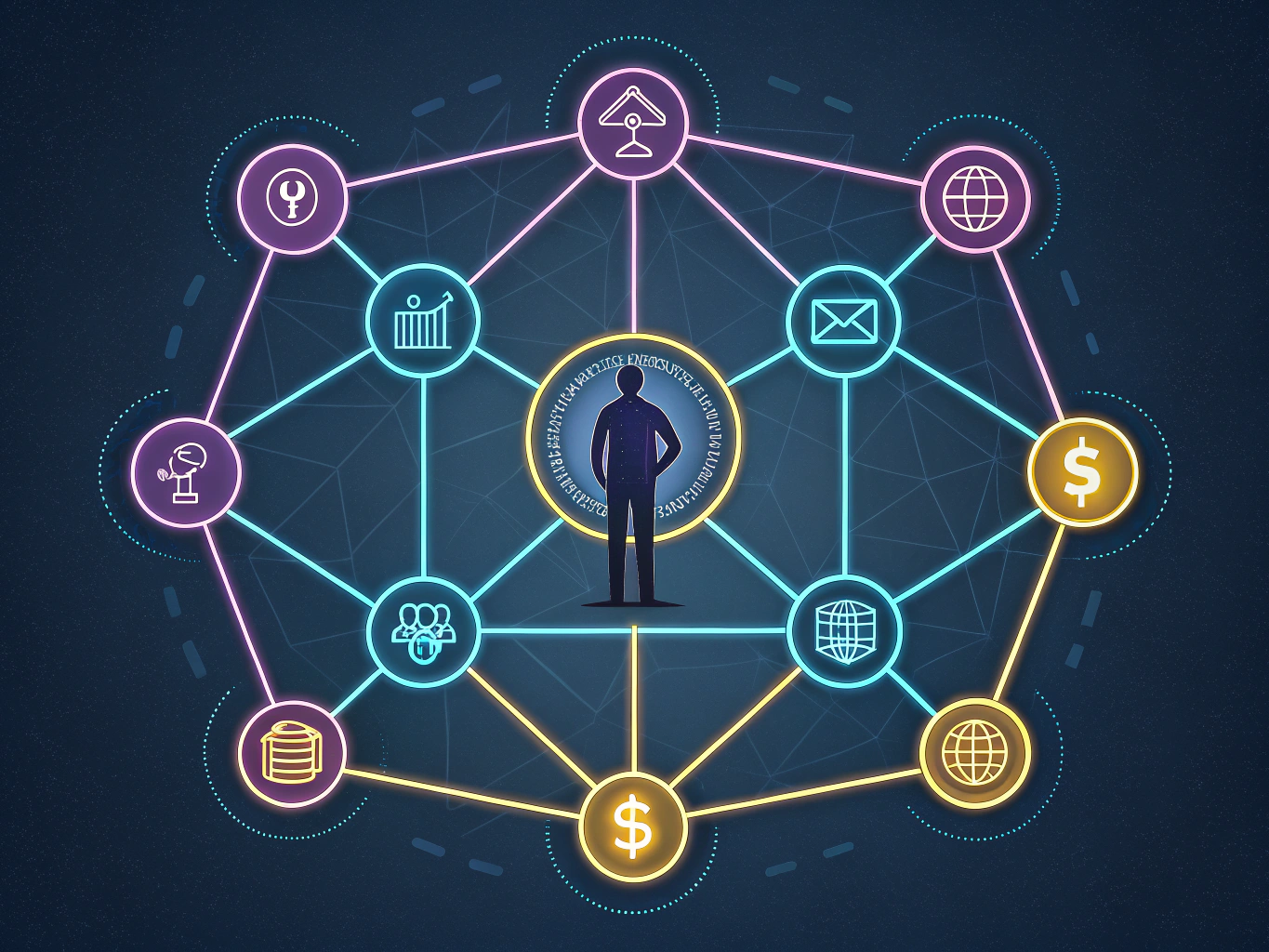
Sales Navigator amplifies this strategy. Its advanced filtering capabilities let you search by seniority, industry, company size, and recent job changes. Lead recommendations surface prospects matching your ideal customer profile. Combined with strategic content sharing and personalized outreach, these tools accelerate relationship development.
Social sellers achieve 2x higher ROI by leveraging relationship-based engagement. The difference isn't about volume; it's about orchestration. You're not just connecting with prospects; you're strategically influencing entire buying committees simultaneously, creating multiple pathways to decision.
Frequently Asked Questions About LinkedIn Lead Generation {#frequently-asked-questions-about-linkedin-lead-gen}
FAQ Content Section
How long before I see results?
Most professionals notice meaningful engagement within 2-4 weeks of consistent activity. Lead generation typically takes 6-8 weeks because B2B sales cycles are longer. Patience matters here, but so does consistency. You're building credibility, not chasing quick wins.
LinkedIn ads versus organic outreach: which wins?
Both serve different purposes. LinkedIn ads give you speed and targeting precision; organic outreach builds genuine relationships. Many successful strategies combine them. Ads work best for awareness and lead capture, while organic networking creates trust that converts better long-term.
Is automation actually safe?
Yes, when done right. Cloud-based automation tools with safety controls are compliant when used properly. The key is avoiding spammy behavior: don't mass-message strangers or post identical comments everywhere. LinkedIn penalizes genuine abuse, not smart workflow tools.
What budget should I allocate?
Start small: $500-1,000 monthly lets you test what works. LinkedIn's cost per lead runs 28% lower than Google AdWords, making it efficient for B2B. Scale up once you identify your best-performing campaigns.
Which metrics actually matter?
Focus on connection acceptance rate, profile views, and qualified conversations started. Track how many connections convert to actual meetings or opportunities. Vanity metrics like impressions mean nothing if they don't lead to conversations with decision-makers.
The bottom line: LinkedIn lead generation requires strategy and patience, not magic. Start with profile optimization, then layer in consistent outreach and targeted ads.
Key Takeaways: Your LinkedIn Lead Generation Action Plan {#key-takeaways-your-linkedin-lead-generation-action}
You've got the blueprint. Now it's time to execute.
Start by treating your profile as your 24/7 sales rep. A polished, keyword-rich profile isn't vanity; it's your foundation for everything that follows. Then commit to a consistent content rhythm that demonstrates real expertise, not just promotional noise. Your prospects are watching to see if you actually know your stuff.
Here's the critical sequence: master one-to-one personalized outreach before you even think about automation. This teaches you what messaging actually converts. Once you've cracked that code, scale strategically with tools that maintain authenticity.
Connect your LinkedIn efforts directly to your CRM so leads don't fall through cracks. The best strategy fails if your team can't act on it fast enough.
Use paid ads as an amplifier for your organic wins, not a replacement. Target the specific decision-makers you've identified, not broad audiences hoping something sticks.
Finally, obsess over your metrics. Track what matters: response rates, conversion rates, cost per qualified lead. Adjust weekly, not quarterly.
The professionals generating consistent B2B leads on LinkedIn aren't doing anything magical. They're simply executing these fundamentals with discipline and measuring what works. You can too.
Ready to Transform Your LinkedIn Lead Generation? {#ready-to-transform-your-linkedin-lead-generation}
LinkedIn lead generation isn't reserved for marketing experts or Fortune 500 companies. You've learned that success comes from three core elements: a polished profile that speaks to your ideal buyer, consistent content that demonstrates real value, and genuine engagement with your network.
The strategy works. The missing piece for most professionals is consistency and time.
Start small. Pick one tactic from this guide, whether that's optimizing your profile, publishing weekly insights, or engaging with 15 relevant prospects daily. Master it over 30 days. Then layer in another.
Tools like GetViews.AI handle the repetitive heavy lifting, automating your engagement so you can focus on what matters: building relationships and closing deals.
Your competition isn't waiting. Someone in your industry is already implementing these tactics today. The best time to start wasn't yesterday. It's right now.
Open LinkedIn. Update one thing on your profile. Engage with three posts from your target audience. That's your first step toward becoming the lead generation authority in your space.