LinkedIn Sponsored Messaging: Essential Tips for 2026
Last Updated: February 6, 2026 TL;DR: LinkedIn Sponsored Messaging Essentials LinkedIn Sponsored Messaging delivers native ads directly to professional inboxes...
Wilmer KarlssonTarstad
Last Updated: February 6, 2026
TL;DR: LinkedIn Sponsored Messaging Essentials
- LinkedIn Sponsored Messaging delivers native ads directly to professional inboxes with 2-3x higher engagement than traditional display ads
- Two formats available: Message Ads (single CTA, plain text) and Conversation Ads (multiple CTAs, interactive paths)
- Optimal launch days are Tuesday and Wednesday; run campaigns all week for best performance across different user behaviors
- Personalization at scale using LinkedIn macros (names, job titles, companies) increases open rates and response significantly
- Cost-per-send pricing with strict frequency controls ensures your ads reach engaged audiences without overwhelming them
Table of Contents
- What is LinkedIn Sponsored Messaging and Why It Matters for B2B in 2026
- Message Ads vs. Conversation Ads: Choosing Your Format
- Crafting High-Converting Message Copy and CTAs
- Timing, Targeting, and Technical Best Practices
- Maximizing ROI: Strategy and Campaign Optimization
- Common Mistakes to Avoid and Compliance Considerations
- FAQ: Your LinkedIn Sponsored Messaging Questions Answered
- Key Takeaways: Your LinkedIn Sponsored Messaging Action Plan
- Conclusion: Elevate Your B2B Outreach with LinkedIn Sponsored Messaging
What is LinkedIn Sponsored Messaging and Why It Matters for B2B in 2026 {#what-is-linkedin-sponsored-messaging-and-why-it-ma}
LinkedIn Sponsored Messaging delivers native message ads and conversation ads directly to professional inboxes on desktop and mobile devices. Unlike traditional display ads that interrupt your feed, these messages arrive where B2B decision-makers are already engaged in professional conversations.
Here's why this matters urgently in 2026: LinkedIn drives 80% of all B2B social media leads, and four out of five LinkedIn members are key decision-makers. This isn't theoretical anymore. Your competitors are already capturing these conversations.
The shift from traditional Sponsored InMail to modern Message Ads and Conversation Ads represents a fundamental change in how B2B outreach works. When professionals check their LinkedIn messages, they're in a buying mindset. They're not scrolling mindlessly; they're actively seeking connections and solutions. Your message appears as a genuine conversation starter, not an intrusive banner ad.
The numbers back this up. 85% of B2B marketers report LinkedIn delivers the best value among social platforms. That's not coincidence. It's because Sponsored Messaging reaches people when they're most receptive, in their professional inbox, without the noise of public feeds. This direct approach converts at rates significantly higher than standard advertising formats.
Message Ads vs. Conversation Ads: Choosing Your Format {#message-ads-vs-conversation-ads-choosing-your-form}
LinkedIn offers two distinct Sponsored Messaging formats, and choosing the right one makes a real difference in your campaign performance.
Message Ads are straightforward. You get a custom greeting, body text up to 1,500 characters, a single call-to-action button, and an optional banner image. Think of them as direct mail for LinkedIn: clean, focused, and built for one specific action. Message ads include a custom greeting, call-to-action button, body text up to 1,500 characters, and optional footer. They work best for time-sensitive invitations, exclusive offers, event promotions, or when you need quick conversions. Message Ads typically cost less because they're simpler to deliver and require minimal interaction from the recipient.
Conversation Ads are the interactive alternative. Conversation ads allow multiple call-to-action buttons linking to landing pages, Lead Gen Forms, or dynamic next messages. Instead of a single button, recipients navigate through branching dialogue paths based on their responses. This creates a natural qualification process; prospects self-select based on their interests and needs.
Here's the practical breakdown: use Message Ads when your goal is straightforward. A webinar invitation, a limited-time discount, or a simple demo request all work well with audiences of 15,000 to 50,000. Reserve Conversation Ads for complex journeys like lead generation campaigns, multi-step nurture sequences, or situations where you need to understand prospect needs before passing them to sales.
The cost difference matters too. Message ads are plain text and typically cheaper than conversation ads because they're less interactive. But conversation ads naturally filter leads as the flow depends on answers provided by the lead, which often means better quality connections despite higher spend.
Your choice depends on one question: do you need one action or a dialogue?
Crafting High-Converting Message Copy and CTAs {#crafting-high-converting-message-copy-and-ctas}
Here's the section:
The difference between a message that gets ignored and one that converts often comes down to how intentionally you've crafted every word. With only 500 characters in your initial message, precision matters.
Start with personalization that feels natural, not robotic. Use LinkedIn macros to insert first names, job titles, and company names seamlessly into your copy. But here's the critical part: personalization alone doesn't work. You need to reference something specific about them or your shared context in that opening line. Over 40% of users decide to open a message based on the first sentence, so make it count. Instead of "Hi [First Name], I think we should connect," try "Hi [First Name], I saw your recent post on [specific topic] and it resonated with something we're working on at [Company]."
Tone wins over polish. Write like you're messaging a colleague over coffee, not drafting a formal email. Skip the corporate jargon; warmth converts better than corporate-speak.
Keep your initial message tight. The most effective messages stay under 300 characters and get 19% more responses compared to longer, pitch-heavy alternatives. If you're using InMail (up to 2,000 characters), resist the urge to fill every space. Break text into short paragraphs and use white space strategically.
For subject lines, incorporate power words like "exclusive," "invitation," or "connect." These trigger opens without feeling manipulative.
Your CTA should match your goal. "Try," "register," "reserve," and "join" consistently outperform generic buttons. Avoid "Not interested"; it's a dead end. Before you send anything, engage first. Like a recent post, view their profile, or comment thoughtfully. Warm outreach that builds genuine connection converts significantly better than cold blasts.
Timing, Targeting, and Technical Best Practices {#timing-targeting-and-technical-best-practices}
Timing matters more than you'd think. Best days to launch message ads are Tuesday and Wednesday, with most clicks on weekends, so structure campaigns to run continuously rather than pausing midweek. This captures both professional engagement windows and weekend browsing behavior.
LinkedIn enforces strict frequency caps to protect the member experience. You won't see the same person hammered with your ad repeatedly; the platform frequency controls ensure your message reaches the right person at the right time without fatigue. This isn't a limitation; it's a feature that improves conversion rates.
Audience sizing depends on your campaign type. Smaller audiences of 15,000-50,000 work well for Message Ads or highly targeted ABM campaigns, while Sponsored Content performs better with 50,000-300,000 members. Start with tighter targeting; you can always expand if results justify it.
Technical specifications matter for visibility. Your banner image (300 x 250 pixels for desktop) is prime real estate, so add a banner image as it's prime real estate for ensuring brand is top of mind. Don't skip this step.
For conversions, implement Lead Gen Forms instead of directing traffic elsewhere. Using Lead Gen Forms drives 2x more conversions because members stay on LinkedIn and friction drops significantly. Pair this with LinkedIn Insight Tag installation for conversion tracking; you need data to optimize.
Sender selection shapes credibility. Choose a 1st-degree connection who's relevant to your offer; a VP of sales outperforms a generic company account. The person matters as much as the message.
Here's the multiplier effect: running Sponsored Messaging alongside Sponsored Content shows 19% uplift in open rate and 72% increase in CTR. Combined campaigns outperform single-channel approaches significantly. Invest in both.
Maximizing ROI: Strategy and Campaign Optimization {#maximizing-roi-strategy-and-campaign-optimization}
Think of LinkedIn Sponsored Messaging as the final step in a journey, not the starting line. The most successful campaigns follow a full-funnel approach: warm prospects with valuable content first, then introduce your conversion ask when they're already familiar with your brand.
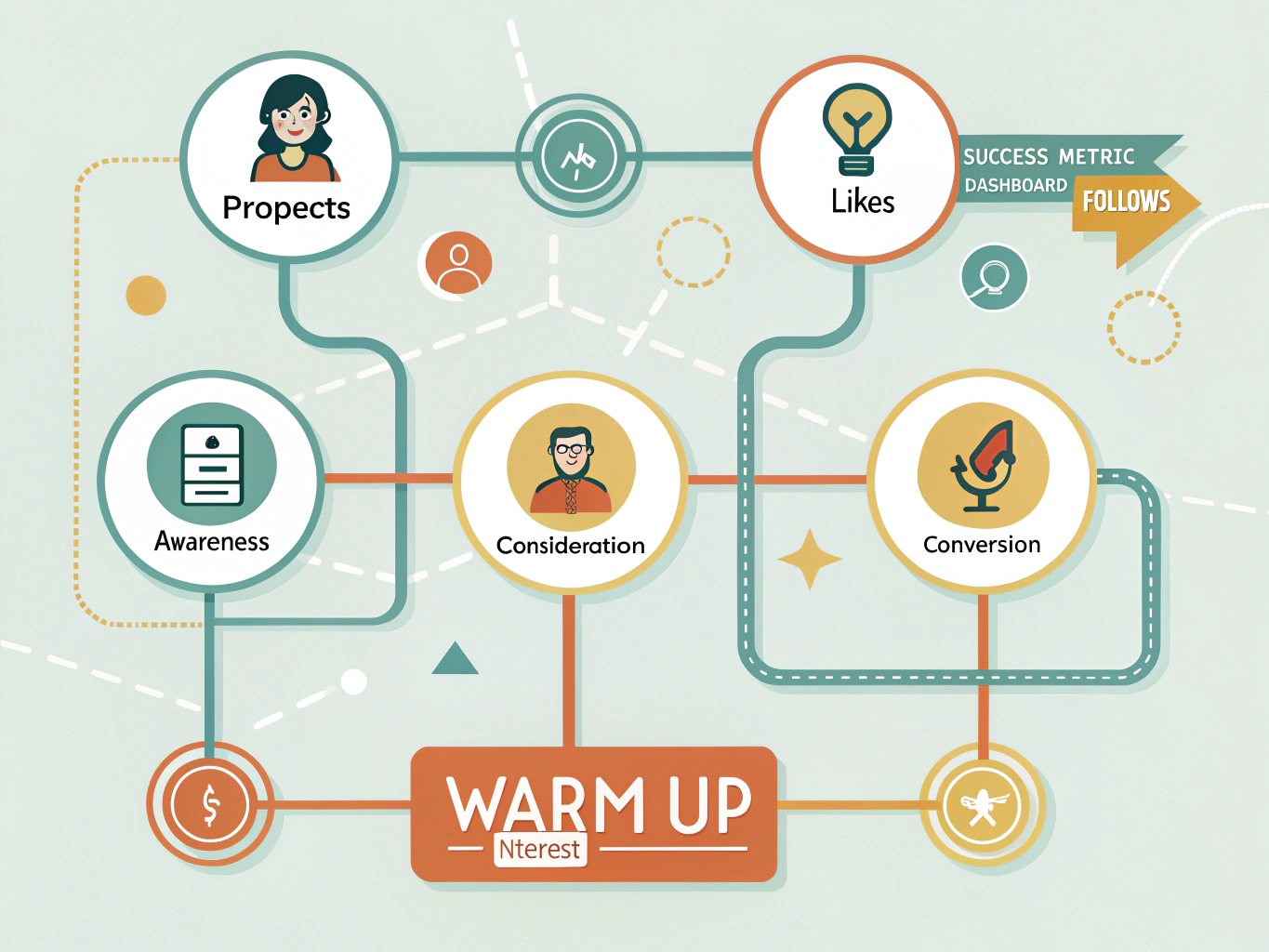
Start by engaging prospects organically before sending a message. View their profiles, follow their company, like or comment on their posts. Warm cold audiences with valuable content before asking for conversion dramatically increases response rates. Then coordinate your efforts across awareness, consideration, and conversion stages using both Sponsored Content and Sponsored Messaging together for amplified reach.
Timing matters significantly. Sequenced follow-up messages spaced 2-5 business days apart improve conversions by 49%, but respect inbox limits: only one unique attempt per audience. Monitor whether messages land in the Focused Inbox or Other folder; this signals audience relevance.
Use Campaign Manager reporting to track demographics and install the LinkedIn Insight Tag for conversion tracking. Start testing with curated lists (event attendees, webinar viewers) rather than broad audiences. A/B test subject lines, CTAs, and personalization levels to identify what resonates with your specific prospects.
Define success metrics aligned to your actual business objectives before launching. ROI isn't just about clicks; measure pipeline influence, deal velocity, and long-term customer value.
Common Mistakes to Avoid and Compliance Considerations {#common-mistakes-to-avoid-and-compliance-considerat}
LinkedIn's algorithm is unforgiving to careless senders. Here's what costs you conversions and credibility.
The Inbox Trap
Generic openers like "Hi, I saw your profile" are spam-folder magnets. Your message lands in the Other tab, invisible and ignored. Templated language signals low effort; recipients sense it immediately. Personalization isn't optional; it's survival.
Frequency Kills Campaigns
Blast 500 messages daily and watch your account throttle. LinkedIn penalizes aggressive volume with delivery delays, shadow-banning, or outright suspension. One thoughtful attempt per audience member beats ten desperate ones.
EU Compliance is Non-Negotiable
Conversation Ads and Message Ads cannot target members in the European Union. If your campaign spans EU and non-EU regions, LinkedIn delivers only to non-EU members. No workarounds exist; plan accordingly.
Respect User Preferences
Members who've opted out of InMail in their preferences cannot receive your messages. Sending anyway wastes budget and damages sender reputation.
Other Avoidable Mistakes
Skip "not interested" CTAs; uninterested recipients simply close the ad. Avoid formatting overload and overly salesy language that screams pitch. Don't follow up with InMails until someone responds. Ensure your profile is visible to all LinkedIn members; hidden profiles trigger skepticism.
Messages move to Archived after 60 days but remain accessible. This isn't a deletion; it's organization. Treat Sponsored Messaging as a conversation starter, not a broadcast channel. Compliance and genuine outreach aren't obstacles; they're competitive advantages.
FAQ: Your LinkedIn Sponsored Messaging Questions Answered {#faq-your-linkedin-sponsored-messaging-questions-an}
Q: How much does Sponsored Messaging cost? LinkedIn uses a cost-per-send pricing model, meaning you pay for each message delivered. Costs vary based on audience targeting specificity; narrower, more qualified audiences typically cost more per send than broad campaigns. Budget starts around $2-5 per message for most B2B audiences, though this fluctuates based on demand and seasonality.
Q: What's the minimum audience size I need? Message Ads require a minimum audience of 15,000-50,000 members, depending on your targeting criteria. Here's the counterintuitive part: smaller, more targeted audiences often outperform massive lists. Focus on quality over scale.
Q: How many InMail credits do I get? It depends on your LinkedIn subscription tier. Premium Career subscribers receive 5 InMail credits monthly; Premium Business accounts get 15. Credits reset each month and don't roll over, so plan campaigns accordingly.
Q: Can I target by job title or industry? Absolutely. LinkedIn's targeting is granular; filter by job title, company, industry, seniority level, location, skills, and more. This precision is what separates effective campaigns from spray-and-pray approaches.
Q: What response rates should I expect? Cold InMails typically see 10-25% response rates, though warmed audiences perform significantly better. Personalization and relevance matter far more than message volume.
Q: How long do messages stay visible? Messages move to the Archived folder after 60 days but remain accessible. Recipients can still view and respond to older messages, so your outreach window extends beyond initial delivery.
Key Takeaways: Your LinkedIn Sponsored Messaging Action Plan {#key-takeaways-your-linkedin-sponsored-messaging-ac}
Here's your action plan to launch campaigns that actually convert:
Start small, then scale. Begin with Message Ads if you're new to Sponsored Messaging; they're cheaper and simpler than Conversation Ads. Test with a specific, curated audience of 5,000-10,000 people before expanding to larger segments.
Personalize ruthlessly. Choose a credible sender relevant to your offer, then use LinkedIn macros to insert first names, job titles, and company names. Generic openers get filtered to spam. Keep your first message under 300 characters and warm prospects before pitching.
Timing and sequencing matter. Launch campaigns Tuesday through Wednesday for peak open rates. Set up 2-5 day follow-up sequences; they drive 49% higher conversions than one-off messages.
Amplify with paired campaigns. Combine Sponsored Messaging with Sponsored Content for a 19% open rate lift and 72% CTR boost. Install the LinkedIn Insight Tag to track conversions and measure ROI.
Monitor and adjust. Check where messages land: Focused or Other inbox. High "Other" placement signals weak personalization. Respect frequency limits and user preferences to protect your account health.
Your first campaign launches this week. Pick your audience, write one authentic message, and measure results.
Conclusion: Elevate Your B2B Outreach with LinkedIn Sponsored Messaging {#conclusion-elevate-your-b2b-outreach-with-linkedin}

LinkedIn Sponsored Messaging isn't about broadcasting; it's about earning attention in a channel built on professional respect. You're reaching decision-makers at their most engaged, in an inbox they actually monitor.
The brands winning in 2026 understand this shift. They've moved past generic outreach to craft conversations that feel personal, timely, and genuinely valuable. They measure what works, iterate relentlessly, and treat compliance not as a burden but as table stakes for sustainable growth.
Your full-funnel strategy compounds over time. One conversation becomes a relationship; one relationship becomes a customer. The numbers prove it: accounts that prioritize personalization and strategic timing see conversion rates that justify the investment.
Start today. Audit your messaging approach. Test new angles with your warmest prospects. Track results obsessively. If you're ready to optimize your entire LinkedIn growth engine, explore GetViews.AI's resources on engagement strategy and analytics.
The opportunity is there. Your move.