LinkedIn Video Ads Best Practices 2026: Master B2B Video Advertising
Wilmer KarlssonTarstad
Last Updated: March 12, 2026
Key Takeaways
- 15-30 second videos with strong 3-second hooks drive optimal engagement on LinkedIn
- Vertical and square formats outperform landscape on mobile, where 50% of views occur
- Video ads achieve 1.6% engagement rate vs 0.5% for image ads, with 5x more engagement than text
- Silent autoplay demands captions, subtitles, and visual storytelling to communicate without sound
- Thought Leader Ads and organic-to-paid strategy convert 20-30% higher than standard video ads
Why Video Ads Dominate LinkedIn in 2026
If your B2B marketing strategy doesn't center on video ads yet, you're already losing. Here's why: over 50% of LinkedIn members engage with videos on their feed daily, and those aren't passive glances. Users spend 3x more time watching video content than static posts, which translates directly to message retention and brand recall.
The numbers are stark. Video posts generate 5x more engagement than conventional content on LinkedIn, a gap that's only widening as the platform prioritizes motion in its algorithm. This isn't speculation; it's the current reality shaping how B2B decision-makers consume information.
What's driving this shift? LinkedIn's user base has fundamentally changed how they interact with professional content. They're busier, more selective, and frankly more influenced by what they see moving on their screens. Meanwhile, 70% of marketers have already recognized this trend and are actively posting videos on LinkedIn, making it the dominant video marketing channel for B2B outreach.
The competitive pressure is real. Your competitors are capturing attention and qualified leads through video while static content quietly underperforms in newsfeeds. Every day without a video ad strategy means missed opportunities with decision-makers actively consuming video content during their LinkedIn sessions.
The question isn't whether to invest in LinkedIn video ads. It's how quickly you can implement them before your market share shifts further.
Crafting the Perfect Hook: First 3 Seconds Win or Lose
Your LinkedIn feed moves fast. Viewers scroll past dozens of videos daily, giving you roughly three seconds to stop the scroll. The 3-second hook determines whether viewers continue watching or scroll past, making this window your make-or-break moment.
Here's what happens in those critical frames: your video autoplays silently as someone scrolls. No sound. No context. Just visual information competing against infinite other content. If nothing grabs attention immediately, you're done.
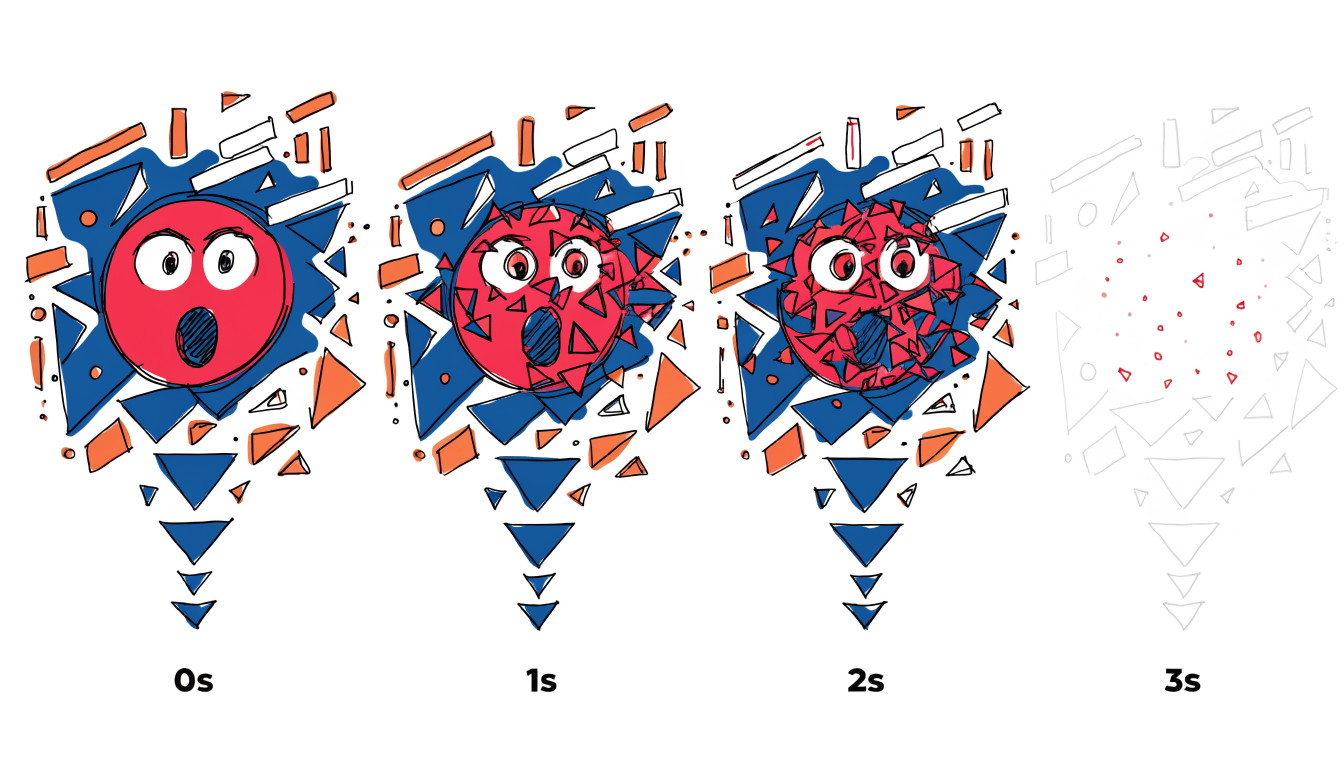
Pattern interrupts work because they break scrolling momentum. Open with unexpected movement, stark color contrasts, or surprising visuals that feel out of place in a B2B context. A CEO in a hardhat, a product launching explosively, or bold text appearing suddenly all stop the thumb.
Human faces increase view rates by 25-35% in video ads, especially authentic, emotional expressions. A surprised face, genuine smile, or moment of recognition signals relatability instantly. Pair this with animated text overlays that reinforce your message without relying on sound.
What doesn't work: slow pans, generic corporate footage, or burying your value proposition. Start with your strongest element. Show what matters most in frame one. If you're launching software, show it working. If you're pitching a service, show the result.
The silent autoplay reality demands ruthless editing. Every frame earns its place. Your hook isn't an introduction; it's a commitment device that says "this is worth unmuting."
Technical Specifications That Actually Matter
Getting the technical foundation right separates ads that convert from ones that disappear into the feed. Here's what actually matters.
Format and Codec Basics
MP4 format with H.264 codec is the gold standard for LinkedIn video. This combination ensures compatibility across devices and minimizes file bloat. Stick with this standard and you'll avoid playback issues that tank your engagement metrics.
Aspect Ratio Reality Check
This is where most B2B marketers miss the mark. LinkedIn now strongly encourages vertical (9:16) and square (1:1) formats for mobile optimization. The data backs this up: over 50% of LinkedIn video views happen on mobile devices, yet landscape (16:9) remains the default choice for many teams. Vertical and square formats command attention on mobile screens without forcing users to rotate their phones. They also perform better in the feed's algorithmic ranking.
Duration Sweet Spots
15-30 seconds is the optimal range for initial engagement. Longer videos work if you're targeting decision-makers with attention to spare, but start here. Anything under 15 seconds risks feeling rushed; anything over 60 seconds needs a genuinely compelling narrative to hold attention.
File Specifications and Resolution
Keep file sizes under 5GB and aim for 1080p resolution minimum. Higher resolution signals professionalism to your audience.
The Silent Autoplay Requirement
LinkedIn plays videos on mute by default, requiring captions for effective communication. This isn't optional. Captions aren't just accessibility features; they're performance multipliers. Without them, your message dies the moment the video starts.
Quick Technical Checklist
- Format: MP4 with H.264 codec
- Primary formats: 9:16 (vertical) or 1:1 (square)
- Duration: 15-30 seconds
- Resolution: 1080p minimum
- File size: Under 5GB
- Captions: Required for all videos
These specifications aren't constraints; they're your competitive advantage. Teams that nail the technical foundation see 40% better completion rates than those who don't.
Content Strategy: What Actually Converts on LinkedIn
The content you create matters more than the format itself. On LinkedIn, three pillars consistently drive results: thought leadership, customer stories, and product education.
Thought leadership positions you as an authority. Share insights on industry trends, challenges your audience faces, or counterintuitive takes on common problems. Customer stories work because they're proof. Real results from real companies build trust faster than any claim you could make. Product education bridges awareness and conversion by showing how you solve specific problems.
Here's the challenge: LinkedIn autoplays videos without sound. Your first three seconds must communicate visually. Use bold text overlays, animated graphics, and clear on-screen action. Think of it this way: if someone scrolls past with sound off, they should still understand your core message.
Content type matters too. Edutainment is the most engaging type of brand content with 66% of users finding it most engaging. Blend education with entertainment. Show real workflows, before-and-after transformations, or quick tips that feel valuable, not salesy.
Word choice shapes performance. Aspirational words in video advertising increase view rate by 31%, while industry buzzwords see 31% more engagement. Use language your audience aspires to embody: "scale," "accelerate," "transform," paired with specific terminology from your space.
Timing your brand presence strategically matters. For awareness campaigns, lead with value and insight before introducing your brand. Jumping straight to company messaging often hurts reach. For conversion campaigns, tighten the brand story earlier.
Captions aren't optional; they're essential. They serve viewers who can't play audio and improve retention by keeping eyes engaged. Pair them with animated graphics that reinforce your message without relying on narration alone.
Targeting, Bidding, and Campaign Optimization
LinkedIn's targeting precision is where B2B video campaigns separate winners from the rest. The platform gives you surgical control over who sees your content, but most marketers barely scratch the surface.
Start with job title layering. Rather than targeting "Marketing Manager" alone, layer multiple relevant job titles like CMO, VP of Marketing, and Marketing Director. This captures decision-makers across seniority levels without diluting your audience. Pair this with industry targeting using specific NAICS codes instead of broad categories; this approach delivers higher-intent prospects who actually face your problem.
Company-based targeting is your secret weapon for account-based marketing. Target Fortune 500 firms or specific competitors' employees to position against them. Don't forget matched audiences; sync your CRM to reach existing contacts, then build lookalike audiences from your best customers.
On bidding, start with automated strategies to gather data, then shift to manual bidding once you understand what converts. This hybrid approach balances efficiency with control.
Retargeting changes everything. Run A/B tests from day one comparing different intros, thumbnails, and calls-to-action. Test on engaged viewers first, those who watched at least 25 percent of your previous videos. Exclude existing customers when chasing new leads; waste no budget on people already in your funnel.
This layered approach, combined with consistent testing, compounds your competitive advantage month after month.
Measuring Success: Metrics That Matter
Here's the section:
Not all metrics deserve equal attention. Your campaign objective determines what you should actually measure, and that's where most B2B marketers go wrong.
Start with the baseline: a video view on LinkedIn requires at least two seconds of watch time with 50% or more of the creative visible on screen. This matters because it means your view counts reflect genuine attention, not accidental scrolls. In-feed video ads typically achieve view-through rates between 20-35%, which provides a solid benchmark for assessing performance.
Here's where it gets strategic. Video ads show a 1.6% engagement rate compared to 0.5% for image ads, but don't celebrate engagement alone. Click-through rates average around 0.44%, and this number tells you whether your creative is compelling enough to drive action. A high view-through rate with low CTR signals that people watch but aren't motivated to engage. That's a creative problem.

For cost metrics, track cost per view, cost per click, and most importantly, cost per lead. Expect $40-150 CPL for most B2B campaigns depending on industry and targeting precision. Then calculate actual ROI by attributing revenue to these leads.
Use Campaign Manager's conversion tracking to connect video clicks to actual lead submissions. A/B test your highest-performing segments and iterate quickly. Your competitive advantage lies not in vanity metrics, but in ruthlessly optimizing cost per quality lead.
Advanced Tactics: Thought Leader Ads and Organic-to-Paid Strategy
Here's your section:
Thought Leader Ads represent the highest-converting format in B2B video advertising, and the reason is simple: they retain all organic social proof while running as paid campaigns. LinkedIn Thought Leader Ads retain all social proof and convert at a higher rate than traditional ads. This means comments, likes, and shares from your organic post stay visible, creating a compounding credibility effect that standard sponsored content can't match.
The secret is blending organic and paid strategy. Post your video authentically first, let it gain initial traction, then amplify it as a Thought Leader Ad. This approach builds genuine momentum before paid dollars kick in, signaling algorithm trust to LinkedIn's system.
There's a clear trend accelerating this strategy: CEO video posts rose 52% over two years as leaders embrace unscripted videos for authenticity. Executives are ditching polished scripts for raw, unfiltered content. This shift works because audiences crave authenticity; they can smell production value from a mile away.
Here's your framework: First, record regular interviews with subject matter experts and executives on relevant industry topics. Record regular interviews with subject matter experts to build trust, engagement, and brand visibility. Post organically, monitor performance for 48 hours, then convert top performers into Thought Leader Ads targeting your ideal buyer accounts.
This motion works because you're not manufacturing authority; you're amplifying it. Your competition is still running cold paid campaigns. You're running warm, credible content that's already proven its resonance. That's your competitive edge in 2026.
Key Takeaways: Your LinkedIn Video Ads Checklist
Before you hit launch, run through this checklist to avoid costly mistakes and maximize ROI.
Technical Setup
- Video dimensions: 1200x627px (feed) or 1080x1920px (stories)
- File size under 200MB; MP4 format preferred
- Duration: 6-15 seconds for highest completion rates
- Captions enabled (85% of viewers watch muted)
- Landing page loads in under 3 seconds
Creative Essentials
- Hook viewers in the first 2 seconds; silence kills engagement
- Show real people, not stock footage; authenticity drives conversions
- Include clear CTAs; vague messaging wastes budget
- Test 3-5 creative variations per campaign
- Maintain consistent branding across thumbnails and copy
Targeting and Bidding
- Define your ideal customer profile with precision
- Start with job titles and company size; layer in interests cautiously
- Set realistic bid caps; overpaying erodes margins fast
- Use LinkedIn's engagement tips to refine audience behavior
- Exclude competitors and existing customers to reduce waste
Measurement Framework
- Track engagement rate, click-through rate, and conversion rate simultaneously
- Attribute revenue back to video campaigns within 90 days
- Monitor cost-per-conversion weekly; pause underperformers by day 5
- Use analytics tools to identify which video elements drive results
Common Pitfalls to Skip
- Targeting too broad; precision beats volume
- Ignoring mobile viewing; most B2B professionals watch on phones
- Launching without a clear conversion goal
- Fire-and-forget campaigns; optimization is continuous
FAQ: Your LinkedIn Video Ads Questions Answered
How much should I budget for LinkedIn video ads?
Start with $500-1,000 monthly to test targeting and creative. Most B2B campaigns see cost per lead between $40-150 depending on industry and audience precision. Your actual spend depends on competition in your vertical and how tightly you're targeting decision-makers.
How long until I see results?
Give campaigns 2-3 weeks minimum. LinkedIn's algorithm needs time to optimize delivery, and B2B sales cycles are longer than other platforms. You'll spot engagement patterns faster, but actual conversions typically take 4-6 weeks.
Vertical or landscape video?
Square and vertical formats outperform landscape on mobile feeds, where most LinkedIn users browse. Design for mobile first, always.
Organic vs. paid video?
Native LinkedIn uploads generate 38% more engagement than YouTube shares. Paid amplifies reach; organic builds credibility. Use both. Organic builds your foundation while paid reaches colder audiences.
How do I retarget video viewers?
Create an audience segment of people who watched 25% or more of your videos, then target them with lead magnets or product demos. This dramatically improves conversion rates since they've already shown intent.
Are LinkedIn ads better than other platforms?
For B2B, absolutely. LinkedIn's targeting precision and professional context outweigh Facebook or YouTube for decision-maker reach. But don't choose one platform; layer them strategically based on where your specific audience spends time.
Start Your LinkedIn Video Ads Journey Today
Video on LinkedIn isn't a nice-to-have anymore. 70% of marketers are posting videos on LinkedIn as it's become the most popular video marketing channel, and video content is growing at twice the rate of other formats on LinkedIn. If you're not moving now, your competitors are.
The window for competitive advantage is closing fast. B2B buyers expect video content, and platforms reward it with higher engagement and visibility. Every month you delay is a month your competitors build audience trust and capture market share you could own.
Here's what to do next: Start with one of the tactics covered in this guide. Whether that's perfecting your video specs, testing different formats, or refining your targeting, pick one and execute it this week. Don't overthink it; test, measure, optimize.
Then scale what works. Use your analytics to understand which videos drive conversions, which audiences respond best, and which messaging resonates. Layer in additional formats and campaigns as you build confidence and data.
If you're managing multiple campaigns or need to accelerate results, GetViews.AI's LinkedIn growth platform streamlines video optimization and audience expansion, letting you focus on strategy rather than manual adjustments.
The brands winning on LinkedIn right now aren't waiting for perfect. They're shipping videos, learning from results, and iterating. Join them.