Ultimate Guide to B2B Lead Generation on LinkedIn in 2026
Why LinkedIn and Cold Email Are Essential for B2B Lead Generation in 2026 Here's your section: The B2B sales environment in 2026 is ruthlessly competitive. Your...
Wilmer KarlssonTarstad
Why LinkedIn and Cold Email Are Essential for B2B Lead Generation in 2026
Here's your section:
The B2B sales environment in 2026 is ruthlessly competitive. Your prospects are drowning in pitches. Their inboxes are flooded. Cold email alone? You're looking at 4-5% reply rates on a good day. LinkedIn outreach solo? Better, but still leaving money on the table.
Here's what changes everything: combining them strategically.
LinkedIn generates 277% more leads than Facebook and Twitter combined, with conversion rates 3x higher than other social platforms. That's not hype; that's where B2B decision-makers actually spend time. 80% of B2B leads from social media come through LinkedIn, and LinkedIn outreach delivers 20-35% reply rates compared to cold email's 4-5%.
But here's the critical insight: neither channel works optimally in isolation anymore.
Omnichannel campaigns combining LinkedIn, email, and phone yield 40% higher engagement and 31% lower cost-per-lead. Your prospect sees you on LinkedIn, recognizes your name in their inbox, and picks up when you call. You're not another random salesperson; you're a persistent, credible presence.
The integrated approach works because it mirrors how modern buyers actually make decisions. They research on LinkedIn, evaluate through email, and respond to genuine relationship-building. Skipping either channel means leaving qualified leads untouched.
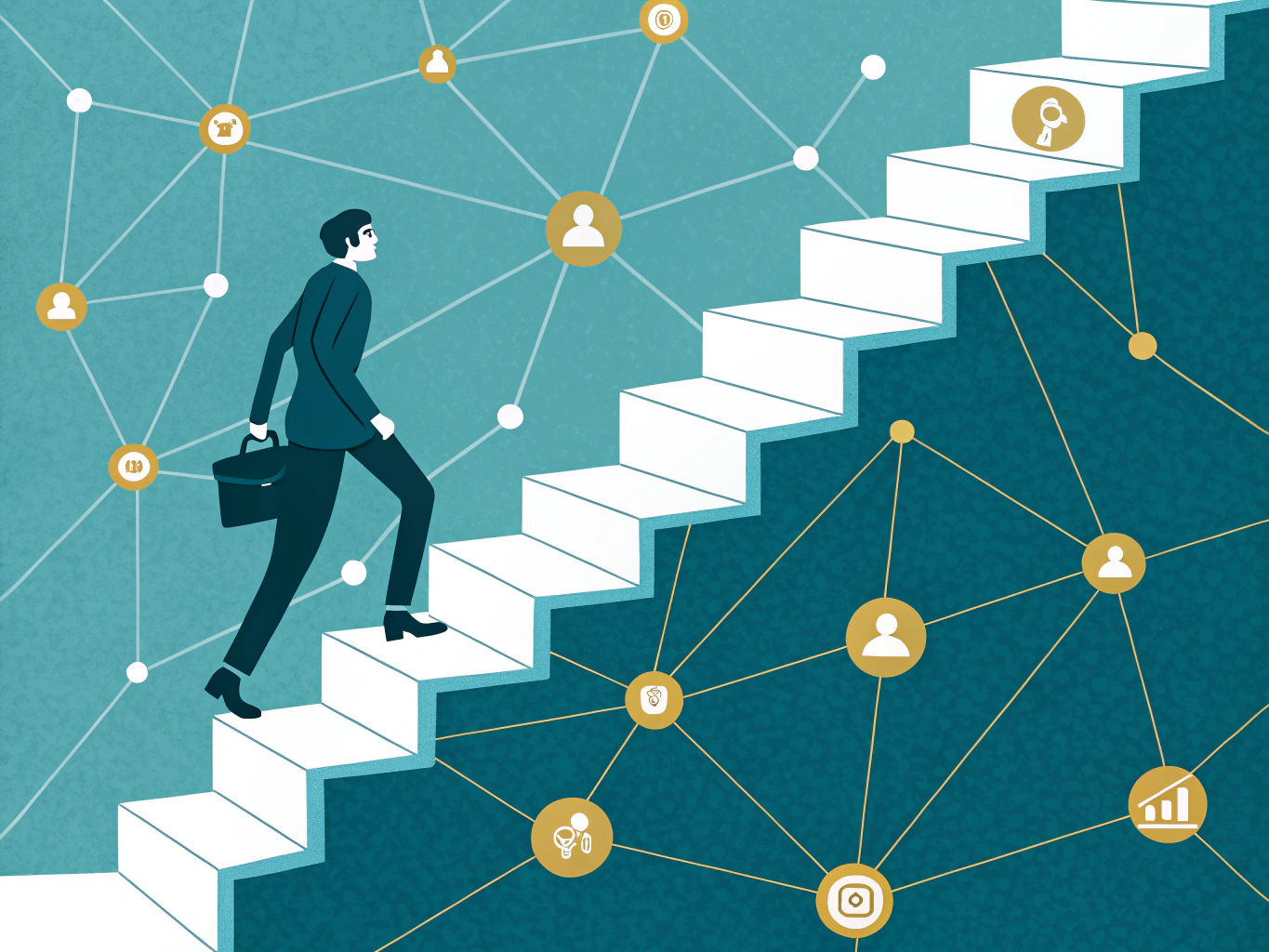
Optimizing Your LinkedIn Profile: The Foundation of Lead Generation
Your LinkedIn profile is your digital storefront. Before you send a single cold email or connection request, it needs to be working for you. A polished profile converts curious prospects into engaged leads; a neglected one kills your credibility before anyone reads your message.
Start with your headline. Most people waste this real estate with their job title alone. Instead, lead with your value proposition. Rather than "Sales Director at Acme Corp," try "Help B2B SaaS Companies 3X Their Pipeline | Sales Strategy & Revenue Growth." This tells visitors immediately who you help and why they should care.
Your professional headshot matters more than you think. A clear, high-quality photo increases profile views by 21x compared to no photo. Wear business casual, look directly at the camera, and use good lighting. This isn't vanity; it's psychology. People do business with people they recognize and trust.
Your summary section is where SEO meets storytelling. Include relevant keywords your target audience searches for (sales, lead generation, B2B, whatever applies to your niche), but write for humans first. Explain what you do, who you serve, and what result they can expect. End with a clear call to action: "Let's talk about your growth challenges" or "DM me to discuss your pipeline."
Recommendations and endorsements aren't optional. Ask past clients or colleagues for brief recommendations highlighting specific results you've delivered. These social proof signals tell prospects you deliver on promises.
Finally, use your Featured section strategically. Pin your best content, case studies, or successful campaigns. This showcases expertise without forcing prospects to dig through your activity feed.
A strong profile isn't the complete solution, but it's the foundation. Without it, even perfectly crafted cold emails underperform. Invest the time to get this right first.
Cold Email Fundamentals: Understanding the Numbers and What Actually Works
Here's the reality: cold email works, but the numbers are humbling at first glance.
The average cold email open rate dropped from roughly 36% in 2023 to just 27.7% in 2024, and reply rates hover between 1-5% for most campaigns. If you're hitting 5%, you're already outperforming the majority. As for actual conversions, research indicates an average cold email conversion rate of just 0.2%. That means sending 500 emails might land you one qualified deal.
Before you close this tab: the top 25% of campaigns achieve 20%+ reply rates. That's a 4x difference. The gap isn't luck or volume alone; it's execution.
Here's what separates winners from the rest. First, personalization isn't optional. Generic templates get ignored; targeted messages addressing specific pain points get responses. Second, volume matters, but it's volume with intent. Sending 100 thoughtless emails wastes everyone's time and tanks your sender reputation.
Third, and this is critical: stop emailing just one person at each company. Studies show that emailing multiple contacts at the same organization can increase response rates by 93% compared to single-contact outreach. This is where cold email intersects with LinkedIn strategy. You identify decision-makers on LinkedIn, map the buying committee, then coordinate outreach across multiple touchpoints.
Cold email isn't a volume game in the traditional sense. It's a precision game that requires volume to work. You need enough qualified prospects in your pipeline to absorb the low conversion rates and still hit meaningful numbers. That's why the integrated approach with LinkedIn research makes cold email actually viable.
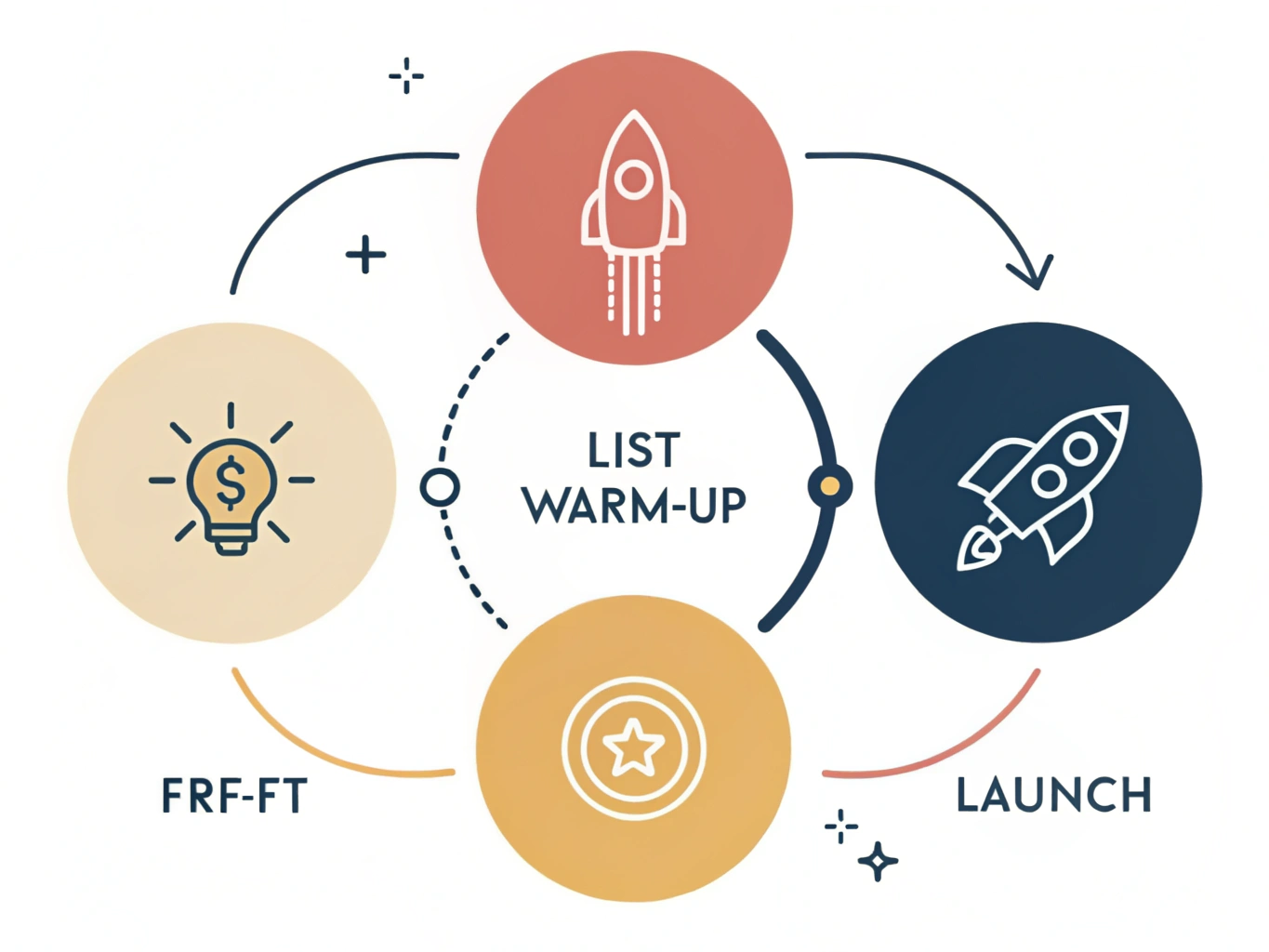
Cold Email Strategy: From List Building to Warm-Up to Launch
Cold email only works when you build it right. That means starting with a ruthless list, warming your domain, personalizing strategically, and ramping up gradually. Skip any of these steps, and you'll hit spam filters or get ignored.
Start by identifying your perfect customer profile. Then build your list around that single profile, not broad categories. A hundred prospects who match your ideal buyer beats a thousand random names every time. Quality crushes quantity in cold email because you're fighting inbox saturation and skepticism.
Before sending a single cold email, warm up your domain. Send emails to your existing contacts, reply to newsletters, engage with emails from your team. This builds sender reputation with mailbox providers. It takes one to two weeks, but it's non-negotiable. Start by sending 5-10 personalized emails per day to professional B2B recipients and slowly ramp up the daily sending volume. This gradual approach keeps you off spam blacklists.
Personalization isn't just inserting their name. Reference their recent LinkedIn post, a company announcement, or something specific about their role. One sentence beats a paragraph. Keep it genuine.
Here's the counterintuitive part: don't ask for the sale. You get more response by not asking for a discovery call in your cold emails; softer asks get more response. Try "Is this worth a quick conversation?" instead of "Let's schedule a 30-minute call." Lower friction means higher reply rates.
Sequence matters too. Send three to five emails over two weeks, spaced three to four days apart. Different angles, different value props, different hooks. Build familiarity across multiple touches. Combined with your LinkedIn outreach, these repeated interactions create trust and recognition that converts cold prospects into warm leads.
LinkedIn Messaging Mastery: Templates and Tactics That Get Responses
The three-part sequence works because it builds familiarity before asking for anything. Here's how to execute it.
Step 1: Engage First (24-48 Hours Before Connection)
Comment on your prospect's recent posts. Don't just like; actually add value to the conversation. Reference specific details from their content, ask a thoughtful question, or share a relevant insight. This primes them to recognize your name when the connection request arrives.
Step 2: Send a Personalized Connection Message
This is where most salespeople fail. Generic "I'd like to add you to my network" messages get ignored. Instead, keep it short and specific: messages with 400 characters or less have a 22% response rate versus just 3% for longer ones.
Here's a template that works:
"Hi [Name], saw your post about [specific topic] last week. We've helped similar companies at [your company] reduce [specific outcome]. Worth a quick conversation?"
Another approach references recent changes:
"[Name], congrats on the promotion to [title]. Given your background in [industry], I think you'd find our approach to [problem] relevant. Open to a brief chat?"
Using personalized mentions raises response rates by up to 32%.
Step 3: Follow-Up with a Different Format
If no response after five days, try a voice message. Research confirms voice notes generate 15-20% more replies than text. It feels human, breaks through notification fatigue, and shows you're willing to invest effort.
Keep the voice message under 30 seconds: mention their name, reference your previous message, and state one clear reason they should respond. Then wait another five days before trying cold email as your next channel in the sequence.
Cold Email Scripts and Templates: Real Examples That Convert
Here's the reality: most cold emails fail because they sound like they were written by a robot for 10,000 other people. The fix is simpler than you think.
The best-performing cold emails follow a consistent structure. Emails with 6-8 sentences get the best results with 42.67% open rate and 6.9% reply rate, so brevity isn't optional. Keep it under 200 words total.
Template 1: The Problem-Solver Subject: Quick question about [Company Name]'s [specific process] Body: Open with a personalized observation ("I noticed you recently hired a VP of Sales"). Identify a specific pain point ("Most teams your size struggle with pipeline visibility in their first 90 days"). Offer a concrete example ("We helped [Similar Company] cut their sales cycle by 18 days"). End soft: "Worth a quick conversation?"
Template 2: The Case Study Subject: [Company Name] + [Similar Company] = results Body: Lead with relevance ("Your company operates in the same space as [Case Study Company]"). Show specific results ("They increased qualified leads by 34% in 4 months"). Keep it credible, not salesy. Close with: "Curious if this applies to your situation?"
Template 3: The Value-Add Subject: One resource for your [Department] Body: Offer something useful first (an article, benchmark report, or list). Then mention your solution tangentially. This flips the script from "buy from me" to "I'm helpful."
The critical principle: personalization isn't optional, it's mandatory. Messages offering social proof outperform generic pitches by 2x. Reference their company, recent news, or job posting. Test subject lines, track open rates, and iterate constantly. Copy-pasting these templates won't work; using their framework will.
The Follow-Up Sequence: Why 50-70% of Responses Come After First Contact
Here's the hard truth: most salespeople quit too early. They send one message, get silence, and move on. That's exactly why persistence is your competitive advantage.
The data is clear. Follow-up messages account for 50-70% of total responses in outreach campaigns, and reply rates soar by up to 49% after the first follow-up. Your prospects aren't ignoring you on purpose; they're busy. They missed your first message, got distracted, or weren't ready to engage yet. A strategic follow-up puts you back on their radar at exactly the right moment.
Here's the sequence that works: wait one week before your first follow-up, then space subsequent touches 5-7 days apart. Three to five total touches is the sweet spot; beyond that, you risk crossing into annoying territory.
But here's what separates effective follow-ups from spam: each one needs to add something new. Don't just repeat your original pitch. Reference a recent company announcement they made, share a relevant article, mention a mutual connection, or introduce a different angle on how you solve their problem. This approach signals genuine interest, not just blasting templates.
The tone matters too. Your first outreach can be professional and polished. Your follow-ups should feel more human, more conversational. Drop some of the formality. A casual, softer tone increases engagement because it feels like a real person checking back in, not an automated sequence.
Your competition is giving up after one attempt. You won't. That's how you win deals.
Advanced LinkedIn Tactics: Sales Navigator, Lead Gen Forms, and Events
LinkedIn's premium tools separate serious B2B operators from casual networkers. Sales Navigator gives you access to 30+ search filters, letting you target prospects by job title, industry, company size, and seniority with surgical precision. More importantly, its real-time alerts notify you when decision-makers change jobs or their companies make news, creating natural conversation starters that feel timely rather than random.
Lead Gen Forms represent a significant conversion advantage. When prospects click your ads or content, these forms auto-populate with their LinkedIn data, eliminating friction. Instead of asking someone to type their email and company name, you're just asking them to confirm. The result: completion rates that dwarf traditional landing pages. This becomes your direct pipeline into cold email sequences with verified, engaged contacts.
LinkedIn Events deserve serious attention. Hosting webinars, live Q&A sessions, or panel discussions positions you as an authority while capturing genuinely interested attendees. These aren't passive viewers; they've committed time and raised their hands. That engagement level makes them infinitely more receptive to follow-up outreach than cold contacts.
Account-Based Marketing on LinkedIn amplifies this further. Instead of broad prospecting, target specific high-value accounts and coordinate messaging across multiple decision-makers simultaneously. This coordinated pressure, combined with personalized cold email sequences, creates momentum that single-channel approaches simply can't match.
The data backs this up: thought leadership content on LinkedIn achieves 12% CTR, vastly outperforming the 0.5-1% industry average. When you layer these advanced features together, you're not just reaching prospects; you're establishing credibility, capturing warm leads, and creating multiple touchpoints that make your cold email feel like a natural next step rather than an interruption.
Bringing It All Together: The Omnichannel Lead Generation System
Here's your section:
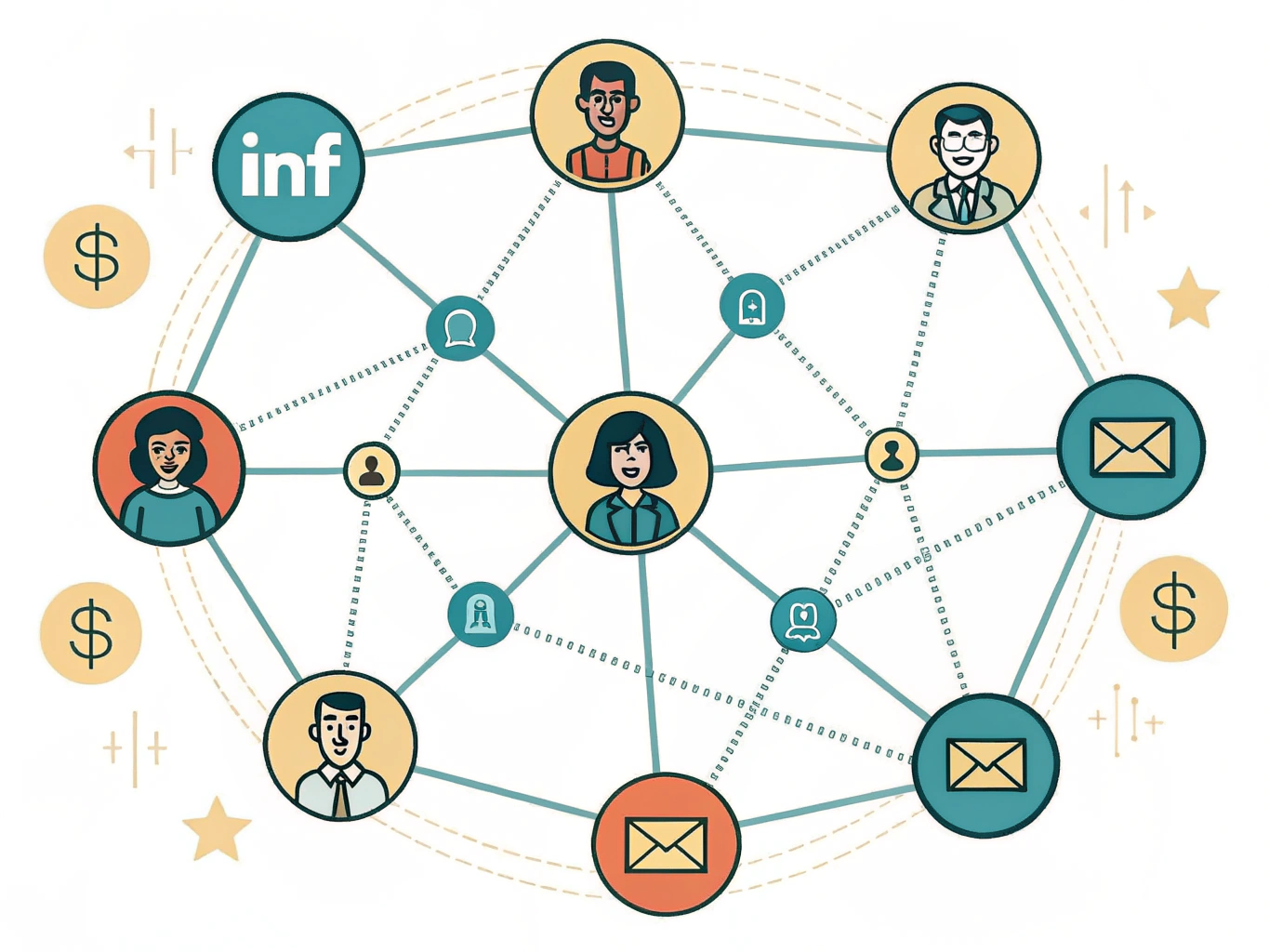
LinkedIn and cold email aren't competitors; they're partners in a system that works because they hit prospects at different moments in their buying journey. LinkedIn builds credibility and awareness; cold email drives action. Combined, they deliver 40% higher engagement and 31% lower cost-per-lead than single-channel approaches.
Here's how to structure your weekly system:
Foundation (Week 1): Optimize your LinkedIn profile as your conversion hub. This isn't optional. Prospects will investigate you before responding to anything.
Prospecting (Ongoing): Use Sales Navigator to identify 50-100 qualified targets monthly. These become your cold email list.
The Sequence: Send a personalized LinkedIn message first. Wait 3-5 days, then follow with a cold email that references your LinkedIn connection attempt. This dual-touch approach feels intentional, not spammy.
Follow-up Cadence: Don't stop after one email. Space follow-ups 7-10 days apart over 3-4 weeks. Most deals happen after the fourth contact.
Measure everything: Track open rates, reply rates, and meetings booked. Look for patterns. Which messaging resonates? Which verticals respond fastest? Test subject lines, email length, and connection request copy. Iterate monthly based on what the data tells you.
Consistency beats perfection. A systematic approach executed weekly outperforms sporadic bursts of activity. Start this week.