LinkedIn Lead Generation & B2B Sales Guide 2026
Last Updated: February 6, 2026 TL;DR: Key Takeaways for LinkedIn Lead Generation Success LinkedIn generates 80% of B2B leads from social media; 89% of B2B marke...
Wilmer KarlssonTarstad
Last Updated: February 6, 2026
TL;DR: Key Takeaways for LinkedIn Lead Generation Success
- LinkedIn generates 80% of B2B leads from social media; 89% of B2B marketers use it for lead generation
- AI-assisted outreach doubles response rates; salespeople using social selling outsell peers by 78%
- Profile optimization, consistent content, and Sales Navigator are essential for qualified lead capture
- Automation tools combined with personalization scale outreach while maintaining authenticity and account safety
- Account-based marketing and intent data targeting drive highest conversion rates in 2026
Table of Contents
- Why LinkedIn is the #1 Platform for B2B Lead Generation
- The Social Selling Advantage: Why Salespeople Win on LinkedIn
- Building Your LinkedIn Profile for Lead Generation Success
- Content Marketing and Engagement: The Foundation of LinkedIn Lead Gen
- Advanced Lead Targeting with LinkedIn Sales Navigator
- Personalization and Outreach: Building Genuine Connections at Scale
- LinkedIn Automation Software: Scaling Without Sacrificing Quality
- Account-Based Marketing and Intent-Driven Strategies
- AI, Automation, and the Future of LinkedIn Lead Generation
- Frequently Asked Questions About LinkedIn Lead Generation
- Key Takeaways: Your LinkedIn Lead Generation Action Plan
- Conclusion: LinkedIn Lead Generation is Non-Negotiable for B2B Growth
Why LinkedIn is the #1 Platform for B2B Lead Generation {#why-linkedin-is-the-1-platform-for-b2b-lead-genera}
The numbers don't lie. LinkedIn generates 80% of all B2B leads from social media, crushing every other platform combined. While Facebook and X fight for scraps, LinkedIn is where serious business happens. This isn't accidental; it's structural.
89% of B2B marketers use LinkedIn for lead generation, and here's what matters: 62% report measurable results. That's not vanity metrics or engagement theater. That's revenue-generating conversations with actual buyers.
The efficiency gap is staggering. LinkedIn delivers 277% more leads than Facebook and Twitter combined. One platform. Three times the output. The reason is simple: your decision-makers live there. CFOs, procurement directors, operations managers, and C-suite executives scroll LinkedIn during their workday. They're actively searching for solutions, not scrolling vacation photos.
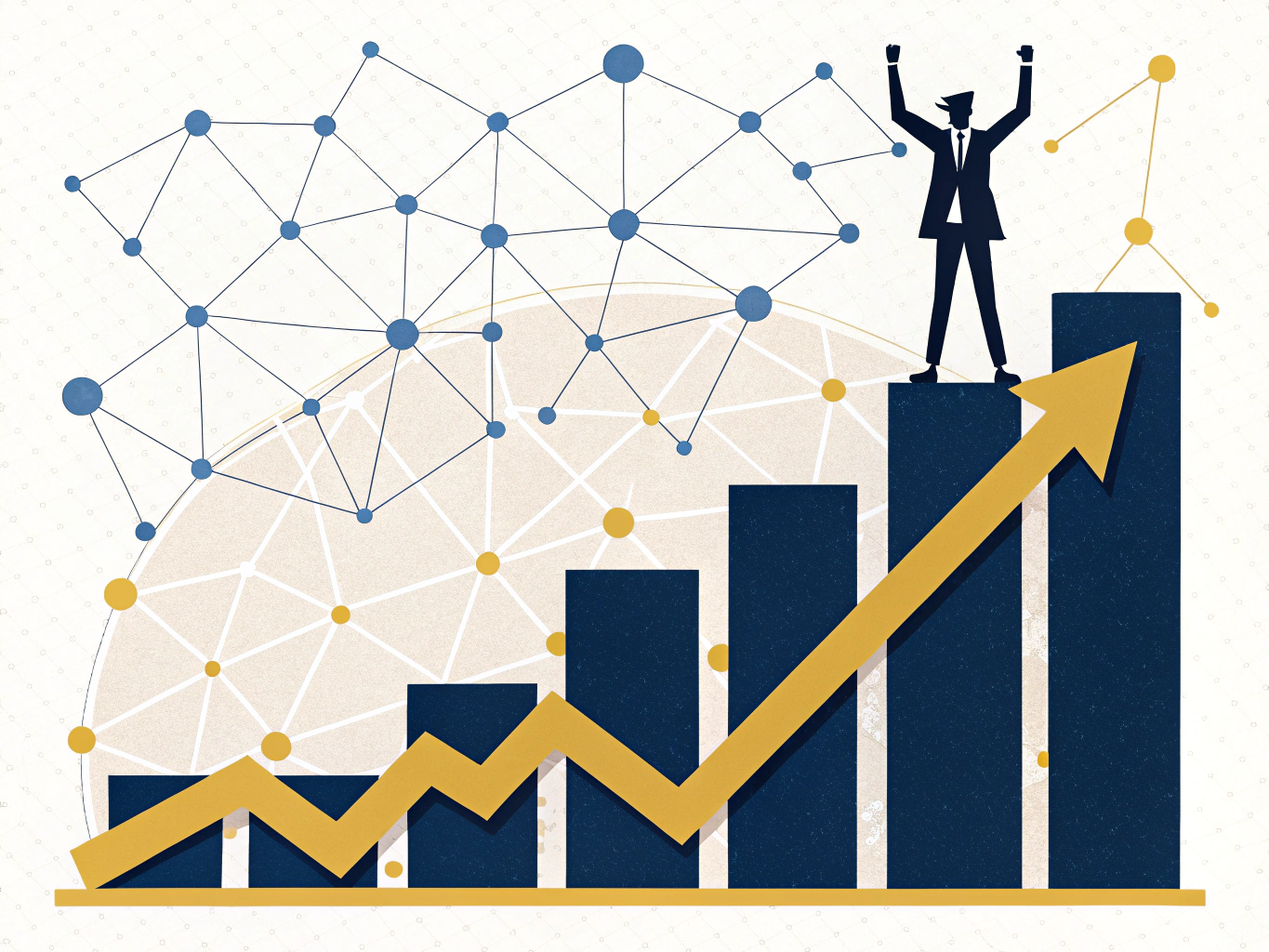
In 2026, ignoring LinkedIn for B2B sales isn't conservative; it's negligent. This guide reveals exactly how to capitalize on this advantage, from profile optimization through advanced lead nurturing strategies. Your competitors are already moving. The question is whether you'll lead or follow.
The Social Selling Advantage: Why Salespeople Win on LinkedIn {#the-social-selling-advantage-why-salespeople-win-o}
Social selling isn't a trend anymore; it's the competitive baseline that separates quota-crushers from the rest. And the numbers prove it.
78% of salespeople engaged in social selling are outselling their peers who ignore the platform. That's not a marginal advantage. That's a fundamental shift in how B2B sales work in 2026.
The real power emerges when you look at reps with a high Social Selling Index (SSI). These professionals generate 45% more opportunities and are 51% more likely to hit quota compared to their peers. Think about that: SSI measures your ability to establish presence, find prospects, engage authentically, and build relationships on LinkedIn. Master it, and you're essentially playing a different game.
Adoption tells the story too. 71% of sales professionals and 90% of top salespeople are already using social selling tools. Your competitors aren't debating whether to participate; they're already building relationships, sharing insights, and capturing deals through LinkedIn.
Here's what's happening: traditional cold outreach is becoming noise. Decision-makers are drowning in generic emails and calls. But a salesperson who shows up consistently, shares valuable perspectives, and engages meaningfully stands out immediately. That's social selling in practice.
The shift from buzzword to baseline means you can't afford to stay on the sidelines. Your pipeline depends on visibility, trust, and top-of-mind awareness. LinkedIn delivers all three when you commit to consistent engagement. Start by optimizing your profile and building a genuine content strategy. The salespeople winning today aren't waiting for permission; they're building their presence now.
Building Your LinkedIn Profile for Lead Generation Success {#building-your-linkedin-profile-for-lead-generation}
Your LinkedIn profile is your sales asset. It's the first impression potential clients form before deciding whether to engage with you, and it directly impacts both lead quality and conversion rates.
Start with your headline. Forget generic job titles like "Sales Manager" or "Business Development." Instead, write benefit-driven headlines that speak to your ideal prospect's pain points. For example: "Help B2B Companies Generate 40% More Qualified Leads via LinkedIn" immediately signals what you deliver and who you help.
Your About section is where you build credibility. Use the first two lines to state your value proposition clearly, then back it up with specific results. Numbers matter here. Include relevant certifications, awards, and achievements that prove you know what you're talking about.
Social proof is your conversion multiplier. Request recommendations from past clients and colleagues, focusing on those that highlight measurable outcomes. Endorsements work too, though recommendations carry more weight. When prospects see multiple people vouching for your expertise, trust increases significantly.
Don't overlook your company page. This is often where decision-makers land first. Optimize it with a clear, compelling company description that explains what problem you solve and for whom. Add a professional banner image, keep information current, and regularly post industry insights. A neglected company page signals you're not serious about business growth.
Engagement matters as much as optimization. Regular posting builds authority and keeps you visible in your network's feed. Share insights, comment on industry trends, and participate in relevant discussions. This consistent visibility makes people remember you when they need your services.
Your profile isn't just a digital resume. It's a lead generation machine that works 24/7. Invest time in getting it right, and it becomes your most reliable source of inbound opportunities.
Content Marketing and Engagement: The Foundation of LinkedIn Lead Gen {#content-marketing-and-engagement-the-foundation-of}
Your LinkedIn lead generation success starts with one fundamental principle: quality beats quantity every single time.
Many B2B professionals fall into the trap of posting daily, hoping volume compensates for mediocre content. It doesn't. Research shows that 3-5 high-quality posts per week consistently outperforms daily low-effort content. This approach gives you time to craft thoughtful, valuable material while maintaining consistent visibility in your audience's feed.
The content itself matters enormously. LinkedIn data indicates that posts with visuals or videos achieve 2-5x higher engagement than text alone. Even more striking, carousel posts deliver up to 278% more engagement than video content, making them an underutilized weapon in most marketers' arsenals.
What should you actually post about? Three content types dominate: educational resources that solve real problems, thought leadership pieces that share your unique perspective, and authentic storytelling that humanizes your brand. These formats build trust faster than promotional content ever will.
Engagement doesn't stop at posting. Responding to comments within the first hour, asking genuine questions, and participating in relevant conversations signals to LinkedIn's algorithm that your content deserves wider distribution. This active engagement creates a compounding effect: better visibility attracts more qualified leads who've already seen you providing value.
The numbers back this up. Year-over-year engagement rates have increased 44%, with platform averages sitting at 3.85%. If you're below that benchmark, your content strategy needs refreshing.
The reality is this: consistent, valuable content positions you as a credible authority while the algorithm naturally surfaces your posts to decision-makers in your target industry. It's not flashy or quick, but it's the most reliable path to sustainable B2B lead generation on LinkedIn.
Advanced Lead Targeting with LinkedIn Sales Navigator {#advanced-lead-targeting-with-linkedin-sales-naviga}
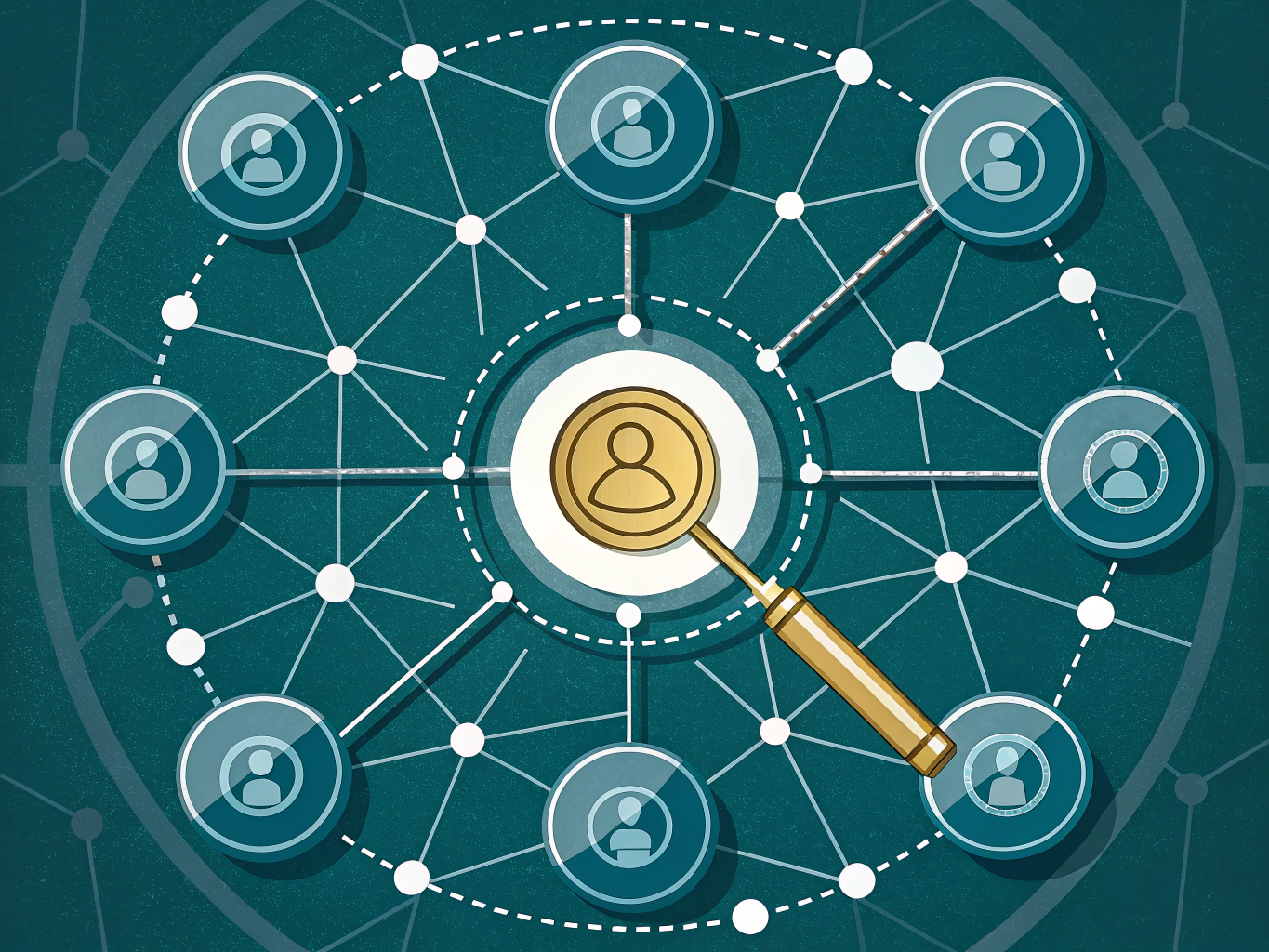
LinkedIn Sales Navigator transforms B2B prospecting from guesswork into precision targeting. This premium tool gives you access to 30+ advanced search filters, letting you narrow prospects by company size, industry, job title, seniority level, geography, and even recent job changes. For sales teams hunting decision-makers, this specificity matters enormously.
Here's why: most B2B purchases involve 6-10 decision-makers. Sales Navigator helps you identify all of them. You're not just finding the procurement manager; you can map out finance, operations, and C-suite stakeholders who influence the buying decision. This stakeholder intelligence alone justifies the investment.
The platform's lead recommendations and real-time alerts work like a second set of eyes. When someone matching your ideal customer profile gets promoted, changes jobs, or shows buying signals, you know immediately. Timing matters in B2B sales, and these alerts let you reach prospects when they're most receptive.
The ROI is compelling. Companies using Sales Navigator report 17% higher win rates, and InMail messages sent through the platform see 30% higher response rates than standard LinkedIn messages. These aren't marginal gains; they're significant improvements that directly impact pipeline velocity and conversion rates.
For serious B2B sellers in 2026, Sales Navigator isn't optional. It's the difference between scattered outreach and systematic, stakeholder-focused prospecting.
Personalization and Outreach: Building Genuine Connections at Scale {#personalization-and-outreach-building-genuine-conn}
LinkedIn users are increasingly skeptical of templated messages and spray-and-pray connection requests. LinkedIn users wary of automated and impersonal outreach means your approach needs to feel genuinely human, not robotic.
Here's the reality: personalization isn't optional in B2B sales anymore. It's the foundation. Before sending a connection request, spend two minutes reviewing someone's profile. Reference a specific post they shared, a mutual connection, or a recent job change. This small effort signals respect and separates you from the noise immediately.
When crafting your message, lead with value, not your pitch. Ask a thoughtful question about their business challenges or congratulate them on a recent achievement. The goal is opening a conversation, not closing a deal in message one. B2B deals built on trust require genuine relationship-building, not transactional interactions.
Here's where sequences matter. The average B2B buyer needs seven touchpoints before engaging seriously. Don't disappear after your initial message fails to convert. Follow up after three to five days with fresh context, perhaps sharing an article relevant to their industry. Mix connection requests with thoughtful comments on their content. This multi-step approach keeps you visible without feeling pushy.
InMail commands higher open rates than standard messages, so reserve it for warm prospects or high-value targets. Use it to deliver something specific: an industry insight, relevant case study, or personalized recommendation.
Automation tools can help manage timing and consistency, but the message itself must always be authentic. Your tone should match how you'd actually speak to someone in person. Avoid corporate jargon, excessive exclamation marks, and generic phrases like "I noticed you're in marketing." Instead, demonstrate you've actually engaged with their work.
The balance is clear: use systems to stay organized and consistent, but let genuine curiosity drive every conversation.
LinkedIn Automation Software: Scaling Without Sacrificing Quality {#linkedin-automation-software-scaling-without-sacri}
LinkedIn automation tools are force multipliers for your outreach, not shortcuts. When used strategically, they handle repetitive tasks so your team focuses on genuine relationship-building where it matters most.
Think of automation in three buckets: outbound connection and messaging tools, content distribution systems, and data enrichment platforms. Outbound tools like Dux-Soup, Expandi, and Dripify automate connection requests and follow-ups based on your criteria. Content automation handles posting schedules and engagement tracking. Data enrichment tools like Closely pull real-time insights into prospects, fueling smarter personalization.
Here's the performance reality: AI-assisted outreach doubles response rates compared to manual cold email. But that only happens when automation handles volume while you inject human insight into every message.
LinkedIn's safety guardrails exist for a reason. The platform limits you to 20-25 connection requests daily and 100 per week. Quality automation tools respect these boundaries automatically, keeping your account safe while maximizing your weekly outreach capacity.
The best tools integrate with your CRM, enabling multi-channel sequences that move prospects from LinkedIn to email to calls without manual data transfer. Advanced analytics show which messaging angles resonate, which profiles convert, and where your pipeline leaks.
But here's what separates winning teams from burned-out ones: automation scales your reach, personalization scales your results. A tool can send 500 connection requests weekly; only your custom research and targeted messaging convert them into qualified leads.
Start with one category. If outbound is your bottleneck, test a tool like Meet Alfred or HeyReach for 30 days. Track response rates, meeting bookings, and conversion velocity. Then layer in content automation and data enrichment as your process matures.
Automation without intention wastes time and damages your brand. Automation paired with strategic personalization compounds your results exponentially.
Account-Based Marketing and Intent-Driven Strategies {#account-based-marketing-and-intent-driven-strategi}
Account-based marketing flips the traditional sales funnel on its head. Instead of casting a wide net, you concentrate resources on 10 to 20 high-value accounts most likely to generate significant revenue. On LinkedIn, this precision targeting approach delivers measurable results: higher conversion rates, larger deal sizes, and shorter sales cycles.
Start by identifying your target accounts using Sales Navigator's advanced filters. Then map the buying committee within each account, pinpointing 6 to 10 decision-makers across departments like finance, operations, and IT. Understanding their titles, challenges, and priorities is non-negotiable. This intelligence allows you to craft account-specific content that speaks directly to their pain points rather than generic messaging that gets ignored.
Intent data has become essential to ABM success. In 2026, signal-based targeting isn't optional; it's baseline. Monitor when prospects engage with industry-relevant content, change job titles, or show buying signals. LinkedIn's algorithm increasingly rewards accounts that leverage these signals to reach prospects at the exact moment they're evaluating solutions.
LinkedIn Lead Gen Forms exemplify this strategy's power. Data shows these forms achieve 10-15% submit rates, with 90% of users reporting reduced cost per lead. The reason is straightforward: when you target the right person with relevant content at the right time, friction disappears.
Your content strategy should vary by account. Develop case studies showcasing similar companies' results, whitepapers addressing specific industry challenges, and personalized video messages from your sales leadership. This level of customization requires effort, but the ROI justifies it. ABM transforms LinkedIn from a broad awareness channel into a precision revenue engine.
AI, Automation, and the Future of LinkedIn Lead Generation {#ai-automation-and-the-future-of-linkedin-lead-gene}
AI isn't replacing your sales team; it's giving them superpowers. By 2025, 30% of outbound messages from large organizations will be synthetically generated via AI, and that number keeps climbing. The question isn't whether to use it, but how to use it without sounding like a bot.
Here's what's actually working: AI handles the heavy lifting. It researches prospects across LinkedIn, identifies buying signals, and drafts personalized connection requests in seconds. 82% of sales specialists agree that using AI to research prospects creates more growth opportunities. Over 50% of businesses now use AI assistants to build connection messages, and the efficiency gains are undeniable.
But here's the critical part: scale without soul fails. The most effective approach combines AI efficiency with genuine human personalization. Use AI to identify 100 qualified prospects; use your voice to craft the opening message. Let automation find the right timing; let authenticity close the deal.

The 2026 edge goes to sellers who treat AI as a research and drafting partner, not a replacement for relationship-building. Your prospects can sense when they're talking to a template. They respond when they're talking to a person who did their homework.
Human judgment still matters most.
Frequently Asked Questions About LinkedIn Lead Generation {#frequently-asked-questions-about-linkedin-lead-gen}
How long does it take to see results from LinkedIn lead generation?
Realistic timeline: organic strategies take 4-8 weeks to generate meaningful conversations, while paid campaigns can produce leads within days. The difference comes down to algorithm familiarity and audience targeting. Cold outreach typically yields responses within 2-3 weeks if your messaging resonates. Don't expect overnight wins, but consistent effort compounds quickly on LinkedIn.
What's the ROI on LinkedIn ads versus organic outreach?
LinkedIn ads offer faster lead volume but higher cost per acquisition, typically $40-150 depending on your industry. Organic outreach costs nothing except time and delivers warmer, more qualified leads since you're engaging based on genuine interest. Most successful teams blend both: ads for brand awareness and quick pipeline fill, organic for relationship-building and long-term trust. Track both channels separately to understand what works for your specific business.
How do I choose the right LinkedIn automation tool?
Prioritize tools that feel like genuine relationship-building, not spam. Look for platforms offering personalized messaging, conversation threading, and compliance safeguards. Avoid anything sending identical copy to hundreds of people. Test with a small team first; what works for SaaS might fail for consulting. Check that your tool respects LinkedIn's terms of service to protect your account.
Is LinkedIn lead generation suitable for all B2B industries?
Yes, with caveats. It works exceptionally well for B2B services, software, consulting, and recruitment. Industries with longer sales cycles benefit most. If you sell commodity products or serve primarily B2C audiences, LinkedIn becomes less critical. Even then, establishing thought leadership on the platform adds credibility across channels.
How can I ensure compliance with LinkedIn guidelines?
Follow the fundamentals: personalize every outreach, respect connection requests, don't use bots for automated comments or likes, and avoid scraping data. LinkedIn actively monitors suspicious activity; one violation can cost you your account. Maintain a genuine profile with regular profile optimization and authentic engagement. When in doubt, prioritize quality conversations over volume.
Key Takeaways: Your LinkedIn Lead Generation Action Plan {#key-takeaways-your-linkedin-lead-generation-action}
You've got everything you need to transform LinkedIn into a consistent lead generation engine. Here's your implementation roadmap:
Week 1: Foundation Start with your profile. Rewrite your headline to include keywords your ideal clients search for, not just your job title. Flesh out your about section with a clear value proposition and call-to-action. Add social proof: recommendations, certifications, and past results. This takes a few hours but dramatically improves profile visit-to-connection conversion rates.
Week 2: Precision Targeting Activate Sales Navigator. This tool cuts through the noise and lets you filter prospects by company size, industry, job title, and seniority. You'll spend less time scrolling and more time connecting with people who actually need what you sell.
Week 3: Outreach at Scale Build personalized outreach sequences using automation platforms. The key word is personalized; generic templates kill response rates. Reference something specific from their profile or recent activity. Automation handles the timing and follow-ups while you maintain the human touch.
Ongoing: Content and Measurement Post 3-5 quality updates weekly. Share insights, case studies, or industry observations that resonate with your audience. Track your metrics obsessively: connection acceptance rates, message response rates, and meetings booked. These numbers tell you what's working.
This isn't complicated. It's consistent execution that separates successful LinkedIn prospectors from those spinning their wheels. Start this week.
Conclusion: LinkedIn Lead Generation is Non-Negotiable for B2B Growth {#conclusion-linkedin-lead-generation-is-non-negotia}
LinkedIn isn't just another social platform for B2B teams anymore. It's the primary revenue driver. With 80% of social media leads originating from LinkedIn, ignoring this channel means leaving qualified prospects on the table while competitors capture them.
Here's what separates winners from the rest: it's not about doing one thing well. Success demands a combination. Optimized profiles that convert visitors into connections. Content that demonstrates expertise and builds trust. Precise targeting that reaches decision-makers in your ideal accounts. Personalized outreach that feels human, not robotic. And automation that scales without sacrificing authenticity.
The competitive advantage has shifted. AI and automation aren't luxuries anymore; they're baseline expectations. Teams using AI-powered content creation and analytics-driven strategies are moving faster, closing deals quicker, and spending less time on busywork.
Your next step is clear: start with fundamentals. Audit your profile optimization. Establish a consistent content rhythm. Then layer in the advanced tactics. Use analytics to track what works. Test personalization approaches. Gradually implement automation.
The playbook exists. The tools exist. The only question remaining is whether you'll implement it this quarter or watch competitors build their pipeline first. 2026 belongs to teams that act now.