Wilmer KarlssonTarstad
Last Updated: November 16, 2026
Key Takeaways
- LinkedIn ABM targets specific high-value accounts with personalized outreach, not broad lead generation
- Companies achieve $10+ in pipeline per $1 spent when ABM is executed properly with sales-marketing alignment
- Success requires three stages: account research, content creation, and execution with account-level measurement
- Start with 100-500 target accounts, map buying committees, and use LinkedIn Sales Navigator plus ads for coordinated outreach
What Is LinkedIn Account Based Marketing?
LinkedIn Account Based Marketing is a strategic approach that flips traditional lead generation on its head. Instead of casting a wide net and hoping qualified prospects land in your pipeline, you identify specific high-value accounts and orchestrate a coordinated campaign to engage multiple decision-makers within those organizations simultaneously.
Here's the core principle: ABM is a strategic approach that focuses on targeting and engaging specific high-value accounts rather than a broader audience. It's quality over quantity. You're not chasing every possible lead; you're hunting the accounts that genuinely matter to your business.
Why LinkedIn? Because your buyers live there. B2B decision-makers spend significant time on the platform, and LinkedIn's targeting capabilities let you identify and reach specific individuals by title, company, industry, and function. You can map entire buying committees and engage them with tailored content and messaging designed for their specific roles.

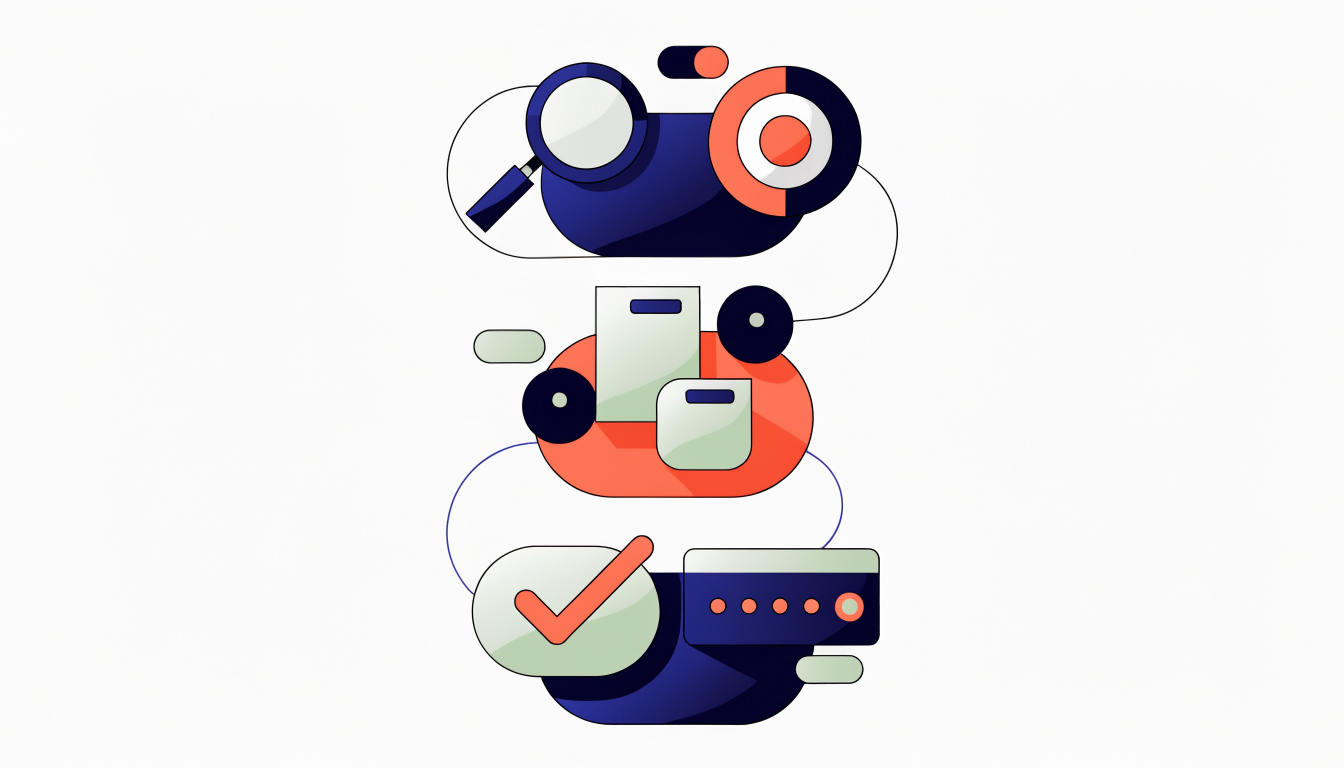
Effective ABM follows a clear structure. ABM campaigns have three distinct stages: account research, content creation, and execution and measurement. First, you research your target accounts deeply, understanding their challenges and priorities. Then you create content that speaks directly to those pain points. Finally, you execute coordinated outreach across email, LinkedIn, and other channels while measuring what actually moves the needle.
Why Sales and Marketing Alignment Is Critical for ABM Success
Here's the uncomfortable truth: most companies run sales and marketing like separate departments with competing scorecards. Marketing chases lead volume; sales dismisses those leads as garbage. Marketing blames sales for not following up; sales blames marketing for wasting their time. This friction costs real money.
Account Based Marketing obliterates this dynamic by forcing alignment. Both teams work from the same target account list, pursuing the same prospects with coordinated messaging. There's no room for finger-pointing when you're literally on the same mission.
The numbers validate this shift. Research shows that when sales and marketing align, there's a 208% increase in marketing-generated revenue and 27% faster profit growth over three years. That's not marginal improvement; that's transformational.
LinkedIn serves as the connective tissue enabling this collaboration. Your sales team uses Sales Navigator to identify and engage prospects; your marketing team creates targeted campaigns hitting those same accounts through sponsored content, direct messaging, and personalized outreach. Both teams see the same prospect activity, engagement data, and pipeline movement in real time.
This visibility changes behavior. Sales stops ignoring marketing-qualified leads because they understand the targeting logic behind them. Marketing stops creating generic content because they see exactly which messages move deals forward. You get feedback loops instead of blame loops.
Without alignment, ABM fails before it starts. You'll have a target account list and sophisticated tools, but your teams will still work at cross purposes. With alignment, you multiply your impact. Every prospect engagement reinforces your message. Every conversation builds on the last one. That's when ABM delivers the ROI it promises.
The question isn't whether you can afford to align sales and marketing around ABM. It's whether you can afford not to.
The ABM Funnel: Research, Content Creation, and Execution
ABM success depends on executing three interconnected stages that move your target accounts from awareness to pipeline. Each stage requires specific activities, tools, and mindsets. Here's how to structure your approach.
Stage 1: Account Research
Start by identifying which accounts matter most. This isn't about casting a wide net; it's about precision targeting. Use LinkedIn Sales Navigator to build your target account list based on company size, industry, revenue, and growth signals. Map the decision-makers and influencers within each account. Look for buying signals like job changes, funding announcements, or recent company expansions. Create detailed account profiles that go beyond basic firmographics. Understand their pain points, competitive landscape, and organizational structure. The goal here is developing a 360-degree view of each prospect organization before any outreach happens.
Stage 2: Content Creation
With your accounts mapped, develop personalized messaging for different buyer personas within each target company. Don't create generic content. A CFO needs different messaging than a marketing director, even at the same company. Tailor your LinkedIn content, email sequences, and ad creative to speak directly to their specific challenges and priorities. This is where personalized LinkedIn messaging at scale becomes essential. Create multiple asset tiers: thought leadership pieces for executives, case studies for practitioners, and ROI calculators for financial decision-makers. LinkedIn Ads allows you to segment your audience by role, seniority, and account, ensuring your message lands with the right person at the right time.
Stage 3: Execution and Measurement
Launch coordinated campaigns across Sales Navigator, LinkedIn Ads, and direct outreach. Track account-level engagement metrics, not just click-through rates. Monitor which accounts are moving through your pipeline, which content resonates, and where conversations stall. LinkedIn's native analytics show you engagement by account and buyer persona. Use this data to iterate quickly. If certain messaging underperforms with a specific role, swap it out. If particular accounts show strong engagement, increase your investment there. ABM optimizes for account engagement and pipeline influence with pre-selected target companies, not just lead volume. When executed properly, companies are achieving over $10 in pipeline for every dollar spent and a 2x return on ad spend within 16 months. This three-stage framework transforms LinkedIn from a broadcast channel into a precision targeting machine.
Building Your Target Account List and Buying Committee Map
Your target account list is the backbone of any ABM program, and getting it right separates successful campaigns from scattered efforts. Most effective programs begin with 100-500 accounts tiered by priority, divided into Tier 1 (highest value, most resources), Tier 2 (strong fit, moderate investment), and Tier 3 (emerging opportunities, lighter touch). This structure lets you allocate budget and effort proportionally rather than treating all accounts equally.
The selection process requires two filters working together: firmographic fit and intent signals. Firmographics cover the basics (company size, industry, location, revenue), but intent signals are what separate prospects ready to buy from those still exploring. Look for LinkedIn activity like job changes in relevant departments, content engagement, or recent funding announcements. This combination dramatically improves your hit rate.
Once you've selected your accounts, map the buying committee. Most B2B purchases involve 6-10 decision-makers across different functions: procurement, finance, operations, IT, and the business sponsor. Each person has different priorities and KPIs. Your CFO cares about ROI; your IT director cares about implementation risk. Understanding these distinctions shapes how you message each stakeholder.
Use LinkedIn Sales Navigator and enrichment tools to build and maintain these lists efficiently. The platform lets you save accounts, track changes, and monitor buying committee members as they move roles. Keep your audience sizing above 5,000 reachable people per campaign; campaigns under this threshold show significantly worse performance. This ensures your message reaches enough decision-makers to drive meaningful results. Remember: precision in targeting beats broad reach every time, but you still need sufficient scale to succeed.
Personalized Outreach and Coordinated Campaign Execution
Coordinating your outreach across LinkedIn requires orchestrating both organic and paid tactics in tandem. The best ABM campaigns don't rely on a single channel; they layer direct messages, comments, and posts alongside targeted ads to create multiple touchpoints that reinforce your message. This coordination matters because prospects see your brand consistently, which builds trust faster than isolated outreach efforts.
Start by warming prospects before direct contact. Use thought leader ads and content engagement campaigns to position your brand in their feed, then follow up with personalized direct messages once they've shown interest. This sequencing dramatically improves response rates because you're not cold outreach anymore; you're continuing a conversation they've already started.
Personalization at scale is where execution gets real. Rather than sending identical messages to everyone in your target account, use dynamic placeholders that pull in company names, recent news, or specific pain points relevant to each buyer persona. Create 15 or more ad variations per persona to prevent ad fatigue and test which messaging resonates most. LinkedIn needs 3-4 clicks per ad per day to optimize effectively, so sufficient volume matters for algorithm performance.
Message differentiation by persona is critical. Your CMO needs different language than your VP of Sales. One might care about revenue impact; the other focuses on team efficiency. Tailor your copy, creative, and offer to what actually matters to each role. AI-powered automation tools handle this scaling challenge, generating persona-specific variations and timing outreach when engagement likelihood peaks. The result is campaigns that feel individually crafted, not mass-produced, even when you're reaching dozens of accounts simultaneously.
Measuring ABM Success: Account-Level Metrics That Matter
Here's the fundamental shift you need to make: stop counting leads and start counting accounts. Traditional lead-generation metrics like volume and cost-per-lead are fundamentally misaligned with how ABM actually works. When you're targeting 50 high-value accounts instead of 10,000 prospects, a low lead count doesn't mean failure; it means you're being selective.
ABM success is measured by account penetration, engaged stakeholders, qualified meetings, pipeline influence, and deal progression rather than lead volume alone. The difference is stark: instead of asking "how many leads did we generate," you're asking "how many decision-makers at our target accounts are now engaged?"
Think about account progression in stages. You start by identifying which accounts fit your ideal customer profile, then move them through awareness, engagement, sales-readiness, and finally to customer status. At each stage, you're tracking specific metrics: how many stakeholders are actively engaging with your content, whether conversations are advancing toward qualified meetings, and whether pipeline value is actually moving forward.
Account-level attribution is where the ROI story becomes clear. By mapping every touchpoint, conversation, and content interaction back to specific accounts, you can see exactly which ABM activities influenced deals. Holdout testing strengthens this further: run your ABM program on a subset of target accounts while holding others as a control group, then compare pipeline velocity between the two. The data tells you precisely what ABM contributed.
This approach transforms how leadership views your LinkedIn efforts. You're no longer justifying activity; you're proving impact on revenue.
2026 LinkedIn ABM Trends: AI, Intent Signals, and Omnichannel Orchestration
The ABM landscape in 2026 is being reshaped by three powerful forces: artificial intelligence, buying intent signals, and the necessity of coordinated cross-channel campaigns.
AI is no longer a luxury in account-based marketing; it's becoming table stakes. Modern platforms now generate personalized content at scale, analyze prospect behavior patterns, and automatically adjust messaging based on engagement. Rather than sending the same LinkedIn message to fifty people, you're crafting dynamic variations that respond to what each decision-maker actually cares about. This isn't about replacing human creativity; it's about amplifying it across hundreds of target accounts without sacrificing the personal touch that drives conversions.
Intent-driven targeting has evolved beyond basic firmographic matching. Today's best ABM strategies leverage buying signals and engagement data to identify accounts actively exploring solutions in your category. When someone at your target company engages with relevant content, downloads a report, or visits specific pages on your website, you know they're primed for outreach. This signals-based approach dramatically improves your odds of meaningful conversations.
Omnichannel orchestration ties it all together. LinkedIn remains central, but effective ABM coordinates messaging across email, your website, direct outreach, and even paid channels. When someone sees your content on LinkedIn, receives a relevant email, and then encounters a retargeting ad, the cumulative effect is far stronger than isolated touchpoints. The key is ensuring these channels reinforce rather than contradict each other.
Finally, authenticity has replaced spray-and-pray tactics. Prospects recognize generic outreach instantly. Success in 2026 means building genuine relationships through thoughtful engagement, real value delivery, and honest conversations about mutual fit. This approach, combined with smart automation, creates the ideal balance between scale and sincerity that modern B2B buyers expect.
Common ABM Mistakes to Avoid
Q: What's the biggest budget mistake people make with LinkedIn ABM?
One of the most common mistakes in LinkedIn ABM is budget dilution, launching too many ads per campaign instead of concentrating resources on quality creative and strategic targeting. You'll see better results investing $10,000 behind three high-impact campaigns than spreading that same budget across fifteen mediocre ones. Focus beats volume every time.
Q: How small can my target audience be?
Campaigns targeting fewer than 5,000 people typically underperform due to limited impression volume and data collection. If your total addressable market is smaller, that's fine, but ensure you're capturing enough people within each account segment to generate meaningful engagement signals.
Q: Should I run the same ad to everyone on my target account list?
Absolutely not. Running identical creative to decision-makers, influencers, and end-users wastes money and crushes engagement. Tailor messaging to each persona's pain points and role. A CFO needs ROI language; a product manager needs feature benefits.
Q: What metrics actually matter in ABM?
Forget vanity metrics like total leads. Track account-level KPIs instead: pipeline influenced, deal velocity, and win rates among target accounts. These reveal whether your program actually moves revenue.
Q: Who should I exclude from my campaigns?
Always exclude existing customers and open opportunities from the cold layer. They need different messaging than prospects. Mixing them dilutes campaign focus and wastes budget on accounts already in motion.
Q: Can I treat warm and cold audiences the same way?
No. Warm prospects (engaged with your content before) need nurture content and softer CTAs. Cold audiences require education and credibility-building first. Segment ruthlessly, message contextually.
Getting Started with LinkedIn ABM: Your First 30 Days
You're ready to move from strategy to action. Here's your concrete roadmap for the first month.
Week 1: Build Your Foundation
Start by defining your Ideal Customer Profile (ICP). Pull together your sales and marketing teams for a working session; identify the company size, industry, revenue range, and specific pain points your solution solves best. Then compile your initial target account list of 100 to 500 accounts from your existing customer base, win/loss data, and market research. Simultaneously, map out the buying committees within these accounts. Who influences the decision? Who holds budget authority? Who manages implementation? This groundwork determines everything that follows.
Week 2: Get Strategic Access
Activate LinkedIn Sales Navigator and segment your target accounts into tiers based on fit and opportunity size. Tier 1 accounts get white-glove attention; Tier 2 and 3 receive scaled engagement. Use Sales Navigator's account search and lead recommendations to identify and research key decision-makers. Build a spreadsheet with names, titles, and current LinkedIn activity. This becomes your outreach foundation.
Week 3: Create and Prepare
Develop your core messaging framework. What's your unique value proposition for each account tier? Create 3 to 5 LinkedIn ad concepts that speak directly to your target accounts' challenges. Set up LinkedIn Campaign Manager and configure account-level tracking. Don't overthink this phase; your first ads won't be perfect, and that's fine.
Week 4: Launch and Learn
Run your pilot campaign to a subset of Tier 1 accounts. Track engagement at the account level, not just individual metrics. Which accounts are clicking? Which are visiting your website? Build a simple measurement dashboard showing account progression. Start organic outreach to warm contacts within your target accounts. This combination of paid and organic creates momentum.
How GetViews.AI Accelerates Your LinkedIn ABM Success
ABM success hinges on two things: reaching the right people with the right message, and doing it consistently without burning out your team. That's where automation becomes your secret weapon.
The manual work of LinkedIn ABM can quickly become overwhelming. You're researching accounts, crafting personalized messages, posting relevant content, tracking engagement across dozens of conversations, and trying to identify which accounts are actually moving forward. Without the right tools, your team spends 70% of their time on admin work and 30% on actual relationship building. That ratio needs to flip.
Purpose-built ABM platforms handle the repetitive heavy lifting. AI-powered content creation generates personalized outreach messages tailored to each target account's industry, challenges, and recent news. Automation workflows maintain consistent touchpoints across your account list without requiring daily manual effort. Built-in analytics show you exactly which accounts are engaging, who's opening your messages, and where prospects sit in the buying journey.
The result? Your team reclaims 15-20 hours per week. That time shifts from administrative tasks to what actually matters: strategic planning, having meaningful conversations with prospects, and closing deals. You maintain the personalization that makes ABM effective while removing the friction that makes it unsustainable.
Learn more about personalized LinkedIn messaging at scale to see how this works in practice.
Conclusion: The Future of B2B Growth Is Account-Based
The evidence is clear: companies that implement LinkedIn ABM strategies see $10 or more in pipeline value for every dollar invested. That's not theoretical. That's what happens when you stop broadcasting to everyone and start having real conversations with the accounts that matter most.
Getting here requires three non-negotiables: sales and marketing teams working from the same playbook, a prioritized list of target accounts based on actual fit and opportunity, and personalized outreach that feels human, not automated. The companies winning in 2026 are adding one more layer: AI-powered personalization at scale, combined with coordinated touchpoints across email, LinkedIn messaging, and content.
The good news? You don't need months to get started. With the right framework and tools, you can launch your first ABM campaign in 30 days. Pick five high-value accounts, map the buying committee, create account-specific messaging, and measure what actually moves deals forward.
The path forward is ABM. Ready to move from strategy to execution? Explore how GetViews.AI can automate your personalization and keep your campaigns running efficiently.