Wilmer KarlssonTarstad
Last Updated: November 9, 2026
Key Takeaways
- Personalized messaging at scale requires automating research while keeping human approval to maintain quality
- Manual outreach caps at 15-25 messages/day; AI-assisted tools reach 1,500+ messages/month with personalization intact
- The best approach uses variable data, AI-generated context, and segmentation instead of generic templates
- LinkedIn safety limits are 20-40 connection requests daily; use automation tools to stay compliant while scaling
What Is Personalized LinkedIn Messaging at Scale?
Here's the reality: you're sitting on LinkedIn with a list of 500 qualified prospects, but you can only realistically reach 15-25 of them per day with genuine, personalized messages. Manual outreach simply doesn't scale. Meanwhile, your competitors are blasting generic templates to thousands, getting ignored at scale.
This is the personalization paradox, and it's costing you deals.
Personalized LinkedIn messaging at scale means sending targeted messages to many prospects while maintaining individual relevance through smart segmentation, dynamic templates, or AI-assisted drafting. It's not about automation for automation's sake; it's about reaching more people without sounding like a bot.
Why does this matter? LinkedIn messaging is 18-25% more effective than cold email for B2B outreach. That's a significant advantage. But here's the trap: personalization at scale requires solving two competing demands. You need volume to hit your numbers, yet generic messages get scrolled past instantly. Your prospects can smell a template from a mile away.
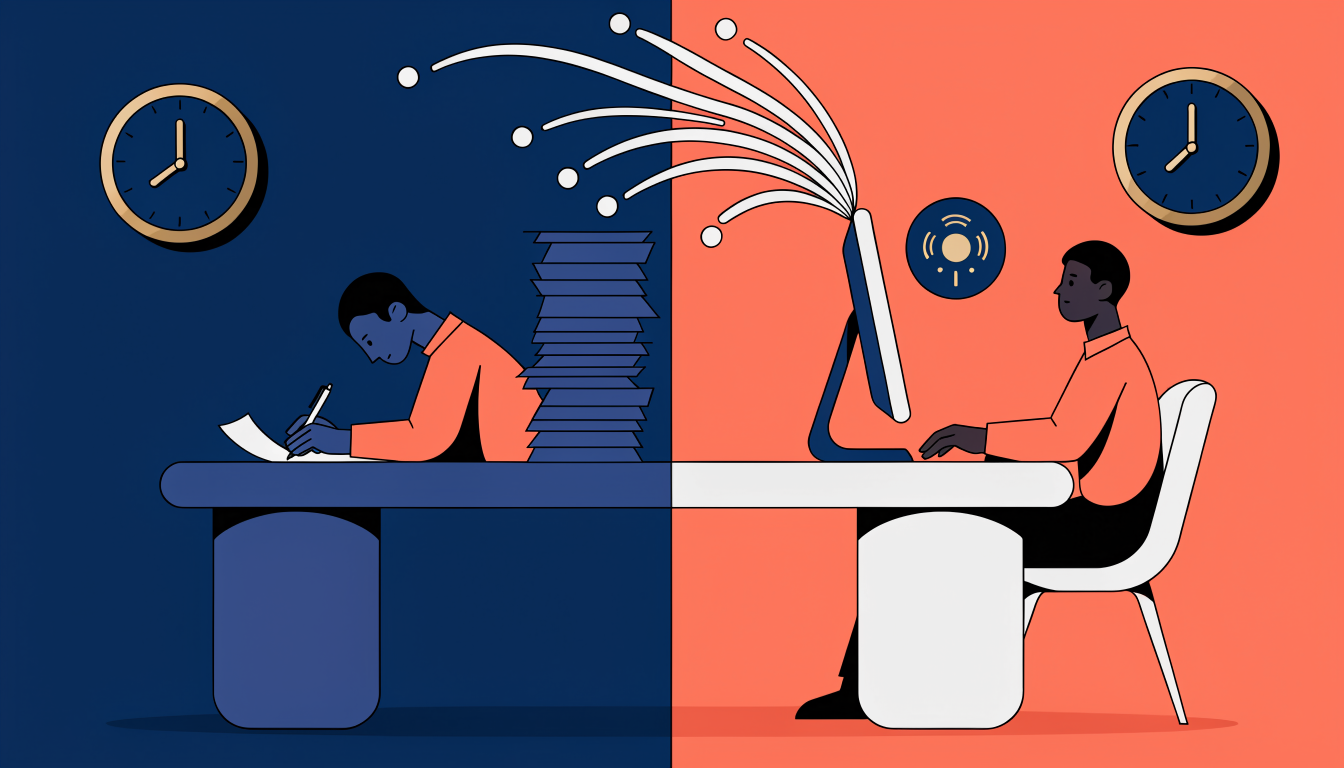
The good news: this problem is solvable. The right combination of AI-assisted personalization, human oversight, and strategic segmentation lets you send hundreds of relevant messages weekly without sacrificing authenticity. You don't have to choose between scale and quality anymore.
Tactic 1: Automate Research, Keep Human Approval
Here's the uncomfortable truth: most people trying to scale LinkedIn outreach fail because they're automating the wrong part. They build systems to blast messages faster, then wonder why response rates crater. The real bottleneck isn't sending; it's the research and writing that has to happen before a message is worth sending.
Top-performing teams solve this with a hybrid model that flips the script. Instead of automating the human touch (which kills it), they automate the grunt work and keep humans in charge of quality.
Here's the exact workflow:
Step 1: AI Research (2-3 minutes per prospect). Your tool scrapes the prospect's LinkedIn profile, recent posts, company news, mutual connections, and industry trends. It builds a detailed profile: their role, recent activity, potential pain points, and conversation hooks. All in seconds.
Step 2: AI Drafting (1 minute). The system generates a personalized message referencing specific details: their recent post about scaling teams, their company's new funding round, or a shared connection. Not a template. An actual personalized message.
Step 3: Human Review (30 seconds per message). You read it. Does it sound authentic? Does it match your voice? Does it feel like something you'd actually send? You approve, edit, or reject. This is non-negotiable.
This three-step process maintains quality at volume. Research shows that teams running this hybrid model reach approximately 1,500 personalized messages per month per user without sacrificing authenticity. The 30-second review step is the guardrail that keeps your outreach from becoming obviously automated.
The math works because you've eliminated busywork (research takes forever manually) while keeping your fingerprints on every message. Your prospects feel the difference. They respond differently to messages that reference their actual situation versus messages that reference their job title.
Start here: pick one prospect tomorrow and run them through this workflow manually. You'll immediately see why this hybrid approach is worth the infrastructure.
Tactic 2: Use Variable Data and Segmentation Instead of Generic Templates
Here's the uncomfortable truth: truly personalized messages don't scale. But messages that feel personalized? Those scale beautifully. The secret is using variable data fields to inject prospect-specific information into smart templates, then segmenting your audience so different groups receive fundamentally different angles.
Start by identifying the variables that matter for your outreach. Most tools support dynamic variables that insert prospect-specific information like name, company, job title, and recent activity into message templates. Beyond basics, pull in signals that reveal intent: did they recently post about a challenge you solve? Did their company just raise funding? Did they change roles? These data points become your hooks.
Here's where segmentation multiplies your impact. Don't send the same message to a startup founder and an enterprise manager. They think differently, face different pressures, and respond to different angles. Segment by role, industry, company size, or engagement signal. A founder cares about scrappy growth; an enterprise buyer cares about risk mitigation.
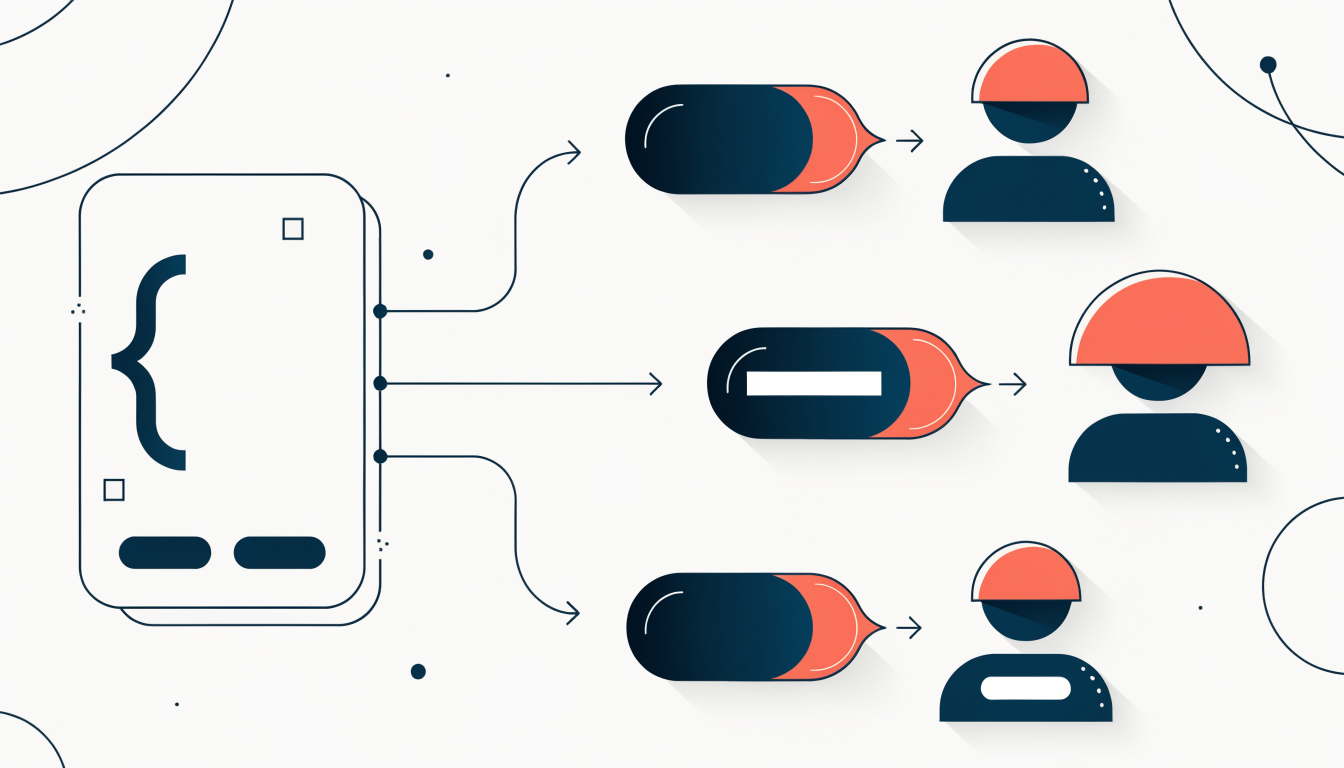 , [COMPANY], [RECENT_POST]. Arrows pointing right showing three different versions of the message appearing for different prospect profiles (one for a startup founder, one for an enterprise manager, one for an agency owner). Each version shows different text flowing from the template. Clean vector style, smooth gradients. Primary: teal blue. Secondary: coral. Accent: white. Soft drop shadows. No text, no numbers, no letters.. Style: DIGITAL ILLUSTRATION. Colors: blue, red, white. Mood: Modern, confident, forward-moving. Clean and professional with warmth. Represents automation meeting human touch.]
Now write 3 to 5 opening line variations for each segment. Rotate them across your sends. This approach maintains quality because each segment receives messaging tailored to their world, while automation handles the repetition. You're not crafting hundreds of unique messages; you're writing smart templates that feel individually crafted because they address what actually matters to each prospect.
Tactic 3: Extract Real Signals from LinkedIn Profiles and Company Data
Here's the uncomfortable truth: generic openers get ignored. The difference between a 5% response rate and a 25% response rate often comes down to one thing: whether you actually researched your prospect.
The best signals live right on someone's LinkedIn profile. Start with the obvious ones. A recent job change is gold. Someone promoted to VP of Sales three weeks ago? They're solving new problems, building new teams, and actively thinking about their role. Reference it directly: "Saw you just moved into the VP Sales role at Acme, congrats. I work with teams in that exact transition phase." That specificity works because it proves you looked beyond their headline.
Look deeper too. Did they comment on an industry post last week? Mention it. Are they active in a particular LinkedIn group? Reference the conversation. Did they attend a conference you also attended? That's your connection point. These micro-signals tell you what's top of mind for them right now, not what was top of mind six months ago.
Company signals matter equally. Targeting your audience better will allow you to send more personalized messages, which increases the chances of someone accepting your connection request. Check if their company recently raised funding, launched a new product, or is hiring aggressively. Public company announcements, new office openings, and partnership news all indicate momentum and change. That's when people are most receptive to conversations about growth.
Here's the before and after that matters:
Before: "Hi Sarah, I think we could help your team with lead generation. Let me know if you're open to chatting."
After: "Hi Sarah, saw your recent post about scaling the sales team post-Series B. We just helped three companies in the enterprise SaaS space hire 40+ reps in six months. Worth a quick conversation?"
The second version converts because it shows you understand her specific situation. That's not luck. That's signal extraction done right.
Tactic 4: Respect LinkedIn's Safety Limits and Ramp Up Gradually
Here's the hard truth: scale without guardrails kills accounts. LinkedIn's algorithm doesn't care about your intentions; it cares about patterns. Send too many messages too fast, and you'll hit restrictions that tank your entire outreach strategy.
LinkedIn enforces strict daily and weekly limits to combat spam. Free accounts can send 20-30 connection requests per day; Sales Navigator subscribers get 30-40. But here's where most people stumble: messaging limits are even tighter. LinkedIn flags accounts sending 100+ messages to different people in a single day, and once flagged, your account faces temporary restrictions or worse, permanent suspension.
Your Social Selling Index (SSI) score directly impacts your daily allowance. A higher SSI score, built through genuine engagement and profile optimization, unlocks more breathing room for outreach. Think of it as trust capital; the more you deposit through authentic activity, the more you can withdraw through messaging.
The safest approach? Ramp up gradually. Start conservatively at 15 connections per day. Every 2-3 days, increase by 5 until you hit your target range of 25-30 daily. This staged approach lets you monitor account health while building momentum.
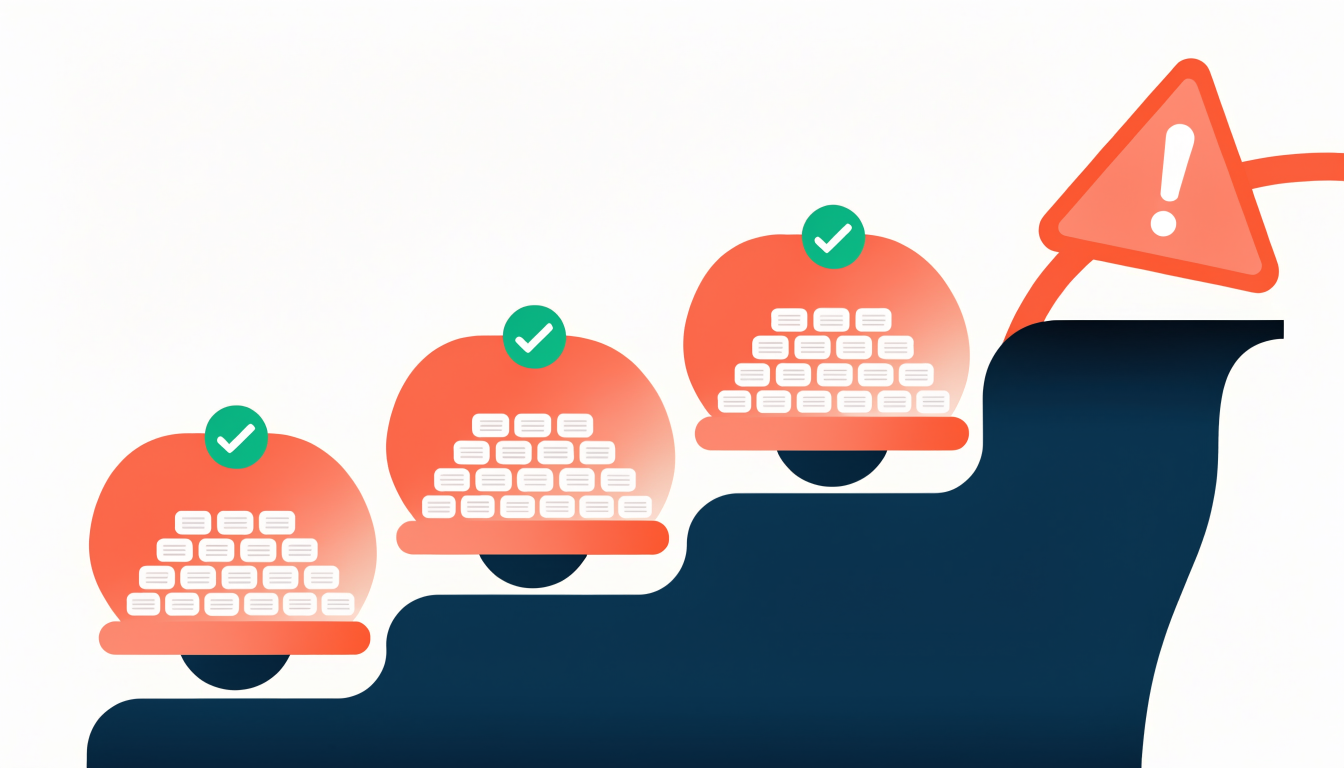
Patience here isn't weakness; it's strategy. Your account's longevity matters far more than hitting aggressive numbers in week one.
Tactic 5-7: Advanced Techniques for Maximum Personalization
The difference between mediocre outreach and exceptional results often comes down to sophistication in execution. Here's where most people plateau, and where you'll break through.
Multi-touch sequences work because they mirror how real relationships develop. Don't send one LinkedIn message and call it a day. Instead, orchestrate a sequence: visit their profile to trigger a notification, engage with their recent post, then send a personalized message 2-3 days later. Research on multi-channel sequences shows this approach significantly outperforms single-touch attempts. The key is spacing these touches naturally so they feel like genuine interest, not spam.
Next, treat your messaging like a scientist treats experiments. Create 3-5 message variations with different opening hooks, pain point angles, and calls-to-action. Send Variation A to 50 prospects, Variation B to another 50, and track response rates obsessively. You'll quickly spot patterns. Maybe your "revenue leak" angle converts at 12%, while your "compliance risk" angle only hits 6%. Scale what wins.
The third advanced move leverages your existing network gravity. Mention shared connections by name, reference a mutual group discussion, or note that you both attended the same conference. Specificity matters enormously here. Instead of "I saw you're in the Marketing Leaders group," write "I noticed your comment on the AI adoption thread in Marketing Leaders last week, and I completely agree with your point about measurement." This transforms you from a stranger into someone who's actually paid attention.
Track everything. Which shared connection mentions drive opens? Which group references convert to replies? Build a feedback loop where each campaign informs the next. The personalization paradox solves itself when you systematize what works at scale.
How GetViews.AI Automates Personalization at Scale
Here's the real challenge: you can't manually research 100 prospects and write genuinely personalized messages for each one. The math doesn't work. Your only option has been choosing between speed and authenticity, scaling outreach while watching personalization quality tank.
GetViews.AI flips that equation. The platform handles the research layer automatically, scanning LinkedIn profiles for specific details, job changes, company news, and engagement patterns that most salespeople miss. Instead of spending 30 minutes per prospect digging through their profile, you get actionable signals in seconds.
From there, AI generates contextual opening lines tied to real signals from each prospect's profile. But here's what separates this from generic templates: every message goes through a human review workflow before sending. You approve, edit, or refine before it touches LinkedIn. Built-in compliance protocols keep your account safe while scaling, so you're not gambling with account restrictions.
Track response rates across message variations in real time, then optimize what actually works. Scale from 20 conversations weekly to 200 without sacrificing the personalization that makes prospects actually respond.
Ready to solve the personalization paradox? Start your free trial today.
FAQ: Personalized LinkedIn Messaging at Scale
Q: Does LinkedIn allow bulk messaging? Not natively through the standard interface, but third-party tools operate within LinkedIn's terms when used responsibly. The key is avoiding automation that mimics human behavior too closely. Tools that space out sends, randomize timing, and rotate message variations work safely without triggering LinkedIn's detection systems.
Q: What response rates should I expect? Properly personalized outreach typically generates 20-30% response rates, compared to 5-10% with generic templates. The difference comes down to relevance. When prospects see you've researched their recent job change or commented on their company's announcement, they're far more likely to engage.
Q: How do I avoid spam filters? Follow LinkedIn's daily messaging limits (around 100-150 connections per day), ramp up gradually over two weeks, vary your message copy significantly, and space sends across different times. Never send identical messages to multiple people on the same day.
Q: Is personalization actually worth the effort? Yes. LinkedIn's own data shows Sales Navigator users see a 45% average increase in deal size, and personalized messaging directly drives this. The acceptance rate alone justifies the extra 90 seconds per outreach.
Q: What should I personalize with? Reference recent posts, job changes, mutual connections, company news, or industry trends they're likely following. Specific details beat vague compliments every time.
Q: Can I use the same template for everyone? Not if results matter. Segment your list by role, company size, or industry, then create 3-5 message variations within each segment. This maintains quality at scale without sounding robotic.
Key Takeaways: Scaling Personalization Without Sacrificing Quality
Here's what separates successful LinkedIn outreach from the noise: the ability to reach thousands of prospects while making each one feel like you wrote personally to them.
The seven tactics we've covered form a complete framework. Automate your research and initial drafting to save time, but never skip human approval. That final review is where authenticity lives. Use variable data and smart segmentation to inject real personalization without hand-crafting every message; a template with 5-7 dynamic fields can feel completely custom. Extract genuine signals from profiles and company data, not generic compliments. Respect LinkedIn's safety limits and ramp up gradually; jumping from 50 to 500 messages weekly is a fast track to account restrictions.
Test ruthlessly across multiple channels. Your best message on LinkedIn might underperform on email, and vice versa. A/B test subject lines, opening hooks, and call-to-action phrasing. Track what actually moves the needle: reply rates, meeting bookings, and qualified conversations matter far more than open rates.
The real win is this: you can now reach 10 times more prospects while maintaining the personalization quality that gets responses. That's not a contradiction anymore. It's a system.
The question isn't whether you can scale personalization. You can. The question is whether you're ready to implement it today and start capturing the opportunities your competitors are missing.
Start Scaling Your Personalized LinkedIn Outreach Today
Here's the reality: most LinkedIn outreach fails not because people send too many messages, but because they send too many bad ones. Volume without personalization is just noise. The teams seeing 3 to 5 times more responses aren't sending more messages; they're sending smarter ones.
This is where the bottleneck actually sits. You can automate sending. You cannot automate genuine research and insight at scale, not manually anyway. That's the work that separates a 2% response rate from a 12% response rate.
Start this week with Tactics 1 and 2: nail your opening hook and add one specific detail about your prospect's company or role. These two alone will shift your results. As you gain confidence, layer in the advanced tactics. You don't need to do everything perfectly on day one.
The teams winning right now are using AI-powered tools to handle the research and personalization layer, freeing them to focus on what actually closes deals: the conversation itself. GetViews.AI automates the hard part, so you spend your energy on strategy and closing, not digging through LinkedIn profiles.
Ready to stop leaving responses on the table? Try GetViews.AI today and see how personalization at scale transforms your pipeline. Most users see measurable improvements within their first week.