How to Build a LinkedIn Outreach Sequence That Converts in 2026
Wilmer KarlssonTarstad
Last Updated: November 6, 2026
TL;DR: Key Takeaways
- Three-message sequences over two weeks convert at 9.8% vs 5% for longer sequences
- Personalized outreach gets 142% higher reply rates than generic templates
- 10.7% of campaigns fail after connection acceptance due to weak follow-up
- Multichannel (LinkedIn + email) generates 2-3x more responses than single-channel
What Is a LinkedIn Outreach Sequence and Why It Matters
A LinkedIn outreach sequence is a deliberate, multi-step message strategy that spans from your initial connection request through direct messages and strategic follow-ups. It's not a single message hoping for the best; it's an orchestrated campaign designed to move prospects through recognition, engagement, and eventually, conversion. Most teams treat it like throwing darts blindfolded, but the data tells a different story.
Single-touch outreach converts at 1-3%. A properly structured sequence? That jumps to 5-10% or higher. Yet 10.7% of campaigns with accepted connections still get zero replies, which reveals the real problem: most teams nail the connection part but completely botch what comes after.
Here's where sequence architecture becomes critical. The broken approach treats LinkedIn and email as separate worlds, blasting volume without strategy. You send a connection request, maybe a generic DM, then hope the prospect responds. When they don't, you move on. Signal-based targeting flips this entirely. You research who actually fits your offer, craft sequences that account for timing and context, and follow up with precision instead of desperation.

The difference is measurable. LinkedIn DMs produce a 10.3% average reply rate, but only when the sequence respects the platform's dynamics and your prospect's actual buying signals. Volume-based outreach died in 2024. What works now is intentional sequencing that treats each touchpoint as part of a conversation, not a broadcast.
The 3-Message Framework That Converts Best
Most teams overthink their LinkedIn outreach sequences. They send five, six, or even ten messages hoping something sticks. The data tells a different story. Campaigns with three messages achieve a 9.8% reply rate, while sequences of five or more drop to just 5.0%. More messages don't mean more replies; they signal desperation and tank your sender reputation.
Here's the three-message architecture that actually converts:
Message 1: The Connection Request This isn't your pitch moment. Your only job is giving them a credible reason to accept. Reference something specific about their company, a recent post they made, or a mutual connection. Keep it to two sentences maximum. No ask, no offer, no value prop. Just genuine interest.
Message 2: The Opening DM Wait 2-3 days after acceptance, then send your first direct message. This is where you establish relevance and curiosity. Share a quick observation about their business or role, then end with a genuine question about their challenges or goals. Critical: do not include a call-to-action or link. You're starting a conversation, not closing a deal.
Message 3: The Follow-Up After 5-7 days of silence, send one final message. Name the specific pain point they likely face based on their industry or role. Offer a soft suggestion, then explicitly give them an out: "If this isn't relevant right now, no worries." This removes friction and actually increases response rates because people feel respected, not cornered.
Spacing matters. Rush these messages and you'll look like spam. Space them properly and you'll look like someone who actually researched them. Three messages, three different intentions, three increasing levels of personalization. That's the sequence architecture that wins.
Personalization That Actually Moves the Needle
Here's the hard truth: using someone's first name in your message isn't personalization. It's the bare minimum, and it's why most outreach sequences plateau after the initial connection acceptance.
Personalized outreach generates 142% higher reply rates than generic templates, but most people are still operating with surface-level customization. They swap in a name, maybe mention the company, and call it a day. That approach doesn't cut it anymore.
The real differentiator is signal-based personalization. Before you even send a connection request, identify warm signals: Did they visit your profile recently? Engage with your content? Attend the same industry event? These prospects are already primed. Campaigns that incorporate warm-up touches reach 22% acceptance rates and 7.22% reply rates, compared to cold outreach that struggles to hit single digits.
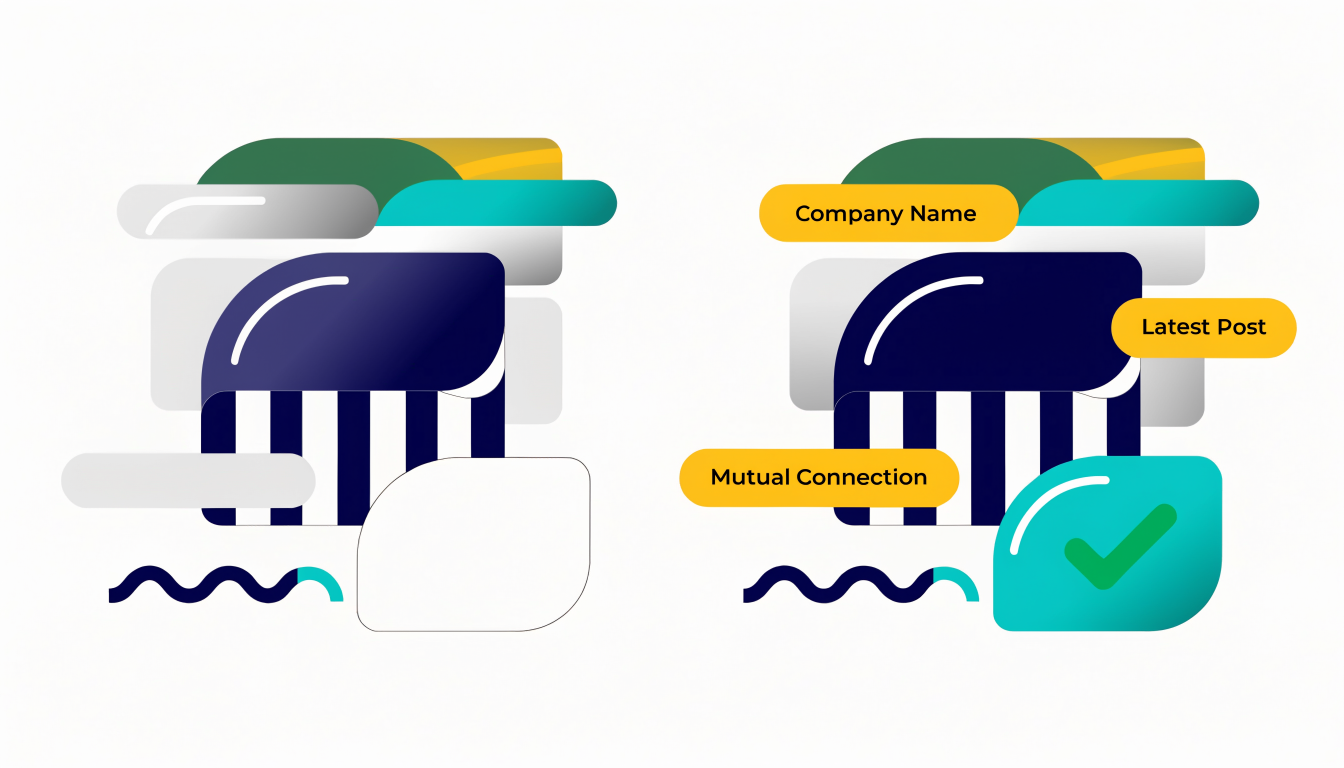
When you do personalize, go specific. Reference the exact initiative they're leading, the LinkedIn post they published last week, or the mutual connection who introduced you. Mention something that proves you actually looked at their profile, not something that could apply to 10,000 people in their industry.
In 2026, volume no longer works. Relevance is everything. Your sequence should target fewer prospects with exponentially more relevant messaging. Quality over quantity wins every single time.
Why Your Sequences Fail (And How to Fix Them)
Here's the hard truth: 10.7% of campaigns with accepted connections get zero replies, while another 15% convert fewer than 1 in 10 connections into actual responses. You're doing the work to get people to accept, then fumbling the handoff. The connection acceptance isn't your finish line; it's where the real test begins.
The biggest culprit is the first message after acceptance. Most outreach fails here because people send something generic, something that could've been sent to anyone. You need a credible reason for them to engage right now, not eventually. That means referencing something specific about their profile, recent activity, or company context. Vague compliments don't convert.
Timing matters more than you think. Message too quickly (within hours of acceptance), and you look automated. Wait too long (beyond 5 days), and you're forgotten. The sweet spot sits around 24 to 48 hours when they're back in their routine but your connection is still fresh.
Account quality silently destroys reply rates. A weak profile, missing headline optimization, or sparse activity signals low intent before your message even lands. Reply rates across B2B outreach average 7.2%, but range from 4.2% to 10.5% depending on industry, and your profile strength directly influences where you fall in that range. Invest in your credibility first.
Start auditing now: What's your actual reply-to-acceptance conversion rate? Most people track connections but ignore what happens next. Calculate it. If it's below 8%, the problem isn't your list; it's your sequence architecture. Track which messages get responses, which timing windows perform best, and which profile elements correlate with higher engagement. Data tells you exactly where to fix.
Account Warm-Up and Message Timing Strategy
Your LinkedIn profile is your first impression, and most people waste it. Before you send a single connection request, optimize your headline and banner to communicate clear value. Your headline should answer "why should I connect with this person?" not just list your job title. This groundwork matters because prospects evaluate your profile the moment they see your request.
Next, engage authentically on your prospect's content one to two days before connecting. Like their posts, leave thoughtful comments, share their content. This creates familiarity and signals you're genuinely interested, not just running a spray-and-pray campaign. The data backs this up: campaigns with warm-up touches reached 22% acceptance and 7.22% reply rates, significantly outperforming cold approaches.
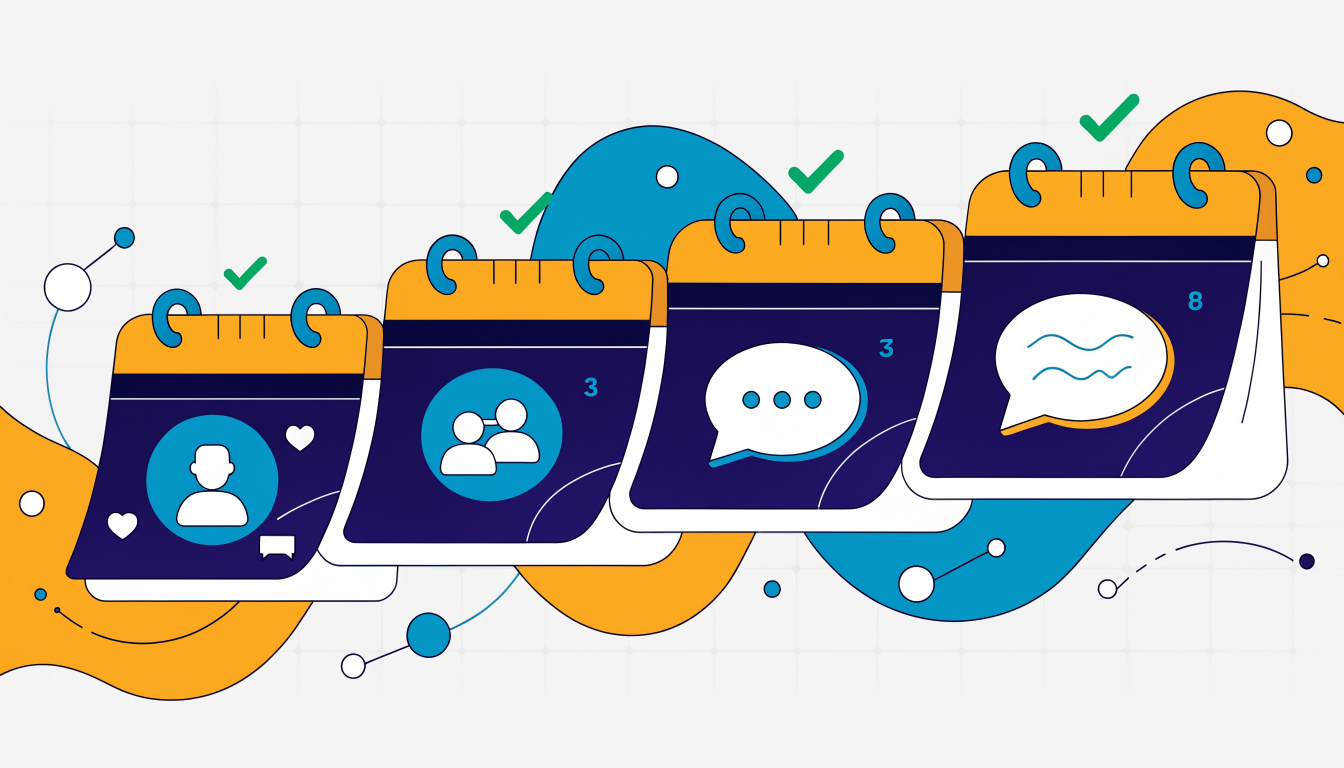
Timing is where most sequences collapse. Follow the 24-hour rule: wait at least 24 hours after connection acceptance before sending your first message. Use that window to engage with their recent posts. Then space your subsequent touches strategically. Send message two after 2-3 days, then wait 5-7 days before message three. This cadence respects their inbox while staying top-of-mind. Rush the timing and you'll trigger spam filters or worse, annoy prospects who might have engaged otherwise.
Combining LinkedIn and Email into One Sequence
Here's the critical mistake most teams make: running LinkedIn and email as separate campaigns targeting the same person. This creates noise, wastes resources, and often backfires when a prospect receives conflicting messages across channels.
The reality is simple. Multichannel campaigns generate 2 to 3 times more responses than single-channel outreach. But only when they're coordinated. LinkedIn and email should operate as one coordinated sequence rather than two campaigns targeting the same person independently. Think of it as a single journey with multiple touchpoints, not parallel tracks running simultaneously.
You have three architectural options. LinkedIn-first sequences prioritize connection requests before email, useful when your target audience checks LinkedIn religiously. Email-first sequences lead with email, then follow with LinkedIn connection requests for those who don't reply. Parallel sequences start both channels on day one, maximizing initial reach but requiring tighter coordination.
The default that works best: visit their LinkedIn profile and send your first email on the same day, then follow up with a connection request the next day. This builds familiarity before the ask.
Your branching logic must handle two critical rules. First: if a prospect replies on LinkedIn, pause all email sequences immediately. Second: if someone has no LinkedIn presence, route them exclusively to email. Without this logic, you're just creating duplicate noise that kills conversions.
Measuring Success and Scaling Your Sequences
You can't improve what you don't measure. The difference between sequences that generate pipeline and those that waste your team's time comes down to tracking the right metrics and acting on them ruthlessly.
Start with these three core metrics: connection acceptance rate, reply-to-acceptance conversion, and meeting rate. Connection acceptance typically ranges from 20-30%, meaning roughly one in four people you invite will accept. Once they accept, 18-28% of those connections will reply to your follow-up message. The final conversion, meetings booked per invitation sent, sits between 0.3-1.3% depending on your industry.
Here's what separates winners from everyone else: companies actively tracking and refining their sequences achieve 65% higher conversion rates. That's not a marginal improvement. That's transformational.
Before you scale, test with at least 300 contacts to reach statistical significance. Small samples lie. After two to three weeks of data, compare your results against benchmarks. If you're underperforming, pivot or pause the sequence entirely rather than throwing more volume at a broken approach.
The hard truth: most sequences fail because teams launch them and never look back. You need a feedback loop. Set up your tracking infrastructure now, audit performance weekly, and kill what doesn't work. This discipline compounds into real revenue.
How GetViews.AI Automates Outreach Sequences at Scale
Here's the challenge most founders face: building sequences manually takes hours, and one mistake tanks your entire campaign. You need a system that automates the heavy lifting while keeping your account safe and your messaging authentic.
The best outreach platforms handle this through intelligent automation. They warm up your profile first, sending strategic visits and engagement to targets before you even send a connection request. This pre-work dramatically improves acceptance rates because prospects recognize your name when the invitation arrives.
Once connections land, branching logic takes over. The system detects replies automatically, pauses sequences for engaged prospects, and routes warm leads to email for deeper conversation. No manual checking. No missed opportunities buried in your inbox.
The human element matters most here. AI drafts your messages based on prospect data and your brand voice, but you review and edit every message before it sends. This keeps your sequences personal and compliant, eliminating the robotic tone that kills conversion rates.
Real metrics matter too. Track connection acceptance rates, reply velocity, and which sequences convert to meetings. This data reveals what actually works with your audience, not what platforms claim works.
Ready to scale without the chaos? Test a platform built for this workflow and watch your sequence performance shift from guesswork to science.
FAQ: Common Questions About LinkedIn Outreach Sequences
Q: Should I use voice notes in my LinkedIn outreach sequence?
Absolutely. Voice notes are one of the most underused touches on LinkedIn, and sending a 30-second voice note via the LinkedIn mobile app is a massive pattern interrupt. People expect text. A genuine voice message breaks through the noise and signals you're actually invested in the conversation, not running a bot operation. Use it strategically, maybe as your second or third touch when the connection hasn't engaged yet.
Q: How many connection requests can I send per week?
Approximately 100 connection requests per week is LinkedIn's hard enforcement cap. But hitting the limit doesn't mean you should. Quality matters more than volume. Send 50 to 70 targeted requests weekly to someone genuinely relevant to your offer. LinkedIn's algorithm notices spam patterns, and you'll tank your deliverability if you're reckless.
Q: What if they don't reply after three messages?
Move them to email if you have it, or re-engage after 30 days with fresh context (like a relevant article or update). Continuing to message after silence looks desperate and increases your spam complaints. Respect the signals they're sending.
Q: How do I avoid being marked as spam?
Use warm signals before connecting, personalize every message with specific details, and honor "not interested" responses immediately. Generic templates get flagged. Real personalization doesn't scale to thousands, and that's the point.
Q: What's the best time to send messages?
Tuesday through Thursday between 8 and 10 a.m. in their timezone typically performs best. People are in work mode but not yet drowning in meetings.
Q: How long should I run a sequence before pausing?
Run for two to three weeks minimum, then measure your reply rate against industry benchmarks. If you're below 15 percent after three weeks, your messaging needs work, not more time.