Wilmer KarlssonTarstad
Last Updated: November 21, 2026
Quick Summary
- Vulnerability and emotional stakes in first line determine if story gets read and shared
- Use Hook-Struggle-Insight-CTA framework to structure stories for maximum engagement
- Real examples drive 2,000-6,000+ likes and land jobs, clients, and partnerships consistently
- Authenticity beats polish; specific details and conversational tone outperform corporate language
- Personal stories positioned as 'guide' (sharing lessons) outperform self-promotion
Why Personal Stories Matter on LinkedIn (And What They Actually Drive)
Here's the uncomfortable truth: your LinkedIn followers don't buy from you. Your clients do. Your partners do. The right opportunities do.
Personal stories on LinkedIn aren't motivational fluff. They're a direct pipeline to the people who can actually move your career or business forward. When you share authentic narratives about how you solved a problem, overcame a challenge, or learned something valuable, you're not just entertaining your network. You're signaling competence, vulnerability, and real-world experience simultaneously. That combination is magnetic.
The numbers prove it. Authentic personal stories consistently generate 2,000 to 6,000+ likes and drive measurable outcomes: job offers, qualified client inquiries, partnership proposals. More importantly, the quality of opportunities that come your way shifts dramatically. Research on personal branding success shows that the real power isn't follower count; it's having the right people see you consistently solving problems. One thoughtful story reaching your ideal client is worth more than 100 generic posts reaching thousands of random people.

Here's what matters: personal storytelling is a learnable skill, not a talent you either have or don't. The templates and frameworks in this guide will show you exactly how to structure your narrative so it lands. The longer you wait to start, the further behind you fall in building visibility with the people who matter most.
The Anatomy of a Winning Personal Story: Hook, Struggle, Insight, CTA
The difference between a story that gets scrolled past and one that stops someone mid-feed comes down to structure. The Hook-Struggle-Insight-CTA framework isn't a rigid formula; it's a proven way to guide readers through your experience so they actually care about the outcome.
Your hook is everything. The first line determines whether someone keeps reading or keeps scrolling. High-stakes openings work because they create curiosity. Consider starting with a specific, emotionally charged moment rather than a generic statement. "I got fired the day I returned from paternity leave" works better than "I had a difficult career moment." The stakes need to be clear and human.
The struggle section is where relatability lives. This is your chance to show vulnerability without oversharing. Describe the actual challenge you faced, the confusion, the setback, the decision you had to make. People connect with honest struggle more than polished success stories. Be specific about what went wrong, what you felt, what you were afraid of. Avoid melodrama; just tell the truth.
The insight transforms your struggle into something valuable for your reader. This isn't about having all the answers; it's about sharing what you learned or realized. What shifted in your thinking? What do you know now that you didn't before? The best insights feel earned because they emerged from genuine struggle, not handed down from on high.
Finally, your CTA should invite conversation rather than demand action. Instead of "connect with me," try "what's your take on this?" or "have you dealt with something similar?" Comments are the top ranking signal on LinkedIn, so questions that prompt genuine responses drive more visibility than hard sells.
This framework is learnable and repeatable. Once you've built one story using this structure, the second becomes easier. You're not inventing something new each time; you're following a path that works.
Vulnerability Over Perfection: Why Messy Stories Win
Here's the uncomfortable truth: your polished LinkedIn posts about hitting quarterly targets aren't what people actually engage with. The ones that break through the noise? They're messy, honest, and often about what went wrong.
Vulnerability-driven stories from creators with 8k to 386k followers consistently generate 2,000 to 6,000+ likes, because they do something achievement posts can't: they create genuine emotional connection. When you share a failure, a moment of doubt, or a lesson learned the hard way, you're giving people permission to be human too. That permission is magnetic.
Think about the difference between "I closed a $500K deal" and "I lost a $500K deal because I didn't listen to my client's actual needs. Here's what I missed and how I fixed my process." The second one invites conversation. It positions you as someone who learns, not someone who just wins. And that's the guide versus hero distinction that matters: guides share lessons that help others navigate their own challenges; heroes just flex accomplishments.

Specificity amplifies vulnerability. Instead of "I struggled with imposter syndrome," try "I sat in a Zoom meeting with 50 people and realized I had no idea what I was talking about. My hands were shaking. I muted myself and took three deep breaths." Those sensory details, the concrete moment, make the story real. People don't connect with abstract problems; they connect with the feeling of sitting in that chair.
The numbers prove it: when you focus on storytelling that resonates emotionally and share real experiences alongside lessons learned, engagement skyrockets. You're not sacrificing credibility by admitting struggle; you're building it. So stop waiting until you have the perfect outcome to share your story. Your audience is waiting for the real one.
10 Real LinkedIn Personal Story Examples (And Why They Work)
The stories that actually move the needle on LinkedIn share one thing: they're honest about the messy middle. Here's what real engagement looks like across different story types.
Career pivots resonate because they show transformation people recognize in themselves. Someone leaving a six-figure corporate job to start a bootstrapped SaaS company gets traction not because the outcome sounds impressive, but because they show the doubt, the financial fear, and the exact moment they decided differently. Austin Belcak's story about landing a role at Microsoft generated tens of thousands of views and 350+ reactions by focusing on self-belief rather than credentials.
Milestone stories perform when paired with personal context, not just the achievement. A founder posting about hitting $1M ARR gets moderate engagement. That same founder sharing the photo of themselves crying in their car before the pitch that closed the deal? That hits 2,200+ likes. People celebrate wins, but they connect with vulnerability.
Failure and struggle stories generate the highest emotional response. Sharing what didn't work, what you'd do differently, or the mistake that cost you six months builds trust faster than ten success posts. These work because they position you as someone who actually knows the terrain, not someone selling from a distance.
Lessons learned stories invite conversation. They say "here's what I figured out" without claiming you have all the answers. The framework here is simple: problem you faced, how you approached it, what you learned, what you'd test next. This structure turns your experience into something others can apply immediately.
Behind-the-scenes content and day-in-the-life snapshots build genuine connection. These don't need viral metrics to work; they need consistency. Showing your actual process, your workspace, how you spend Tuesday morning at 7 AM makes you real in a feed full of polished headshots.
The pattern across all these story types: they use the Hook-Struggle-Insight-CTA framework. Your opening line stops the scroll. The struggle section makes people feel seen. The insight gives them something concrete. The call-to-action invites participation, not just passive scrolling.
What separates stories that get 15 likes from stories that get 1,500 likes isn't fancy writing or a massive network. It's specificity. Replace "I learned persistence" with "I applied to 47 companies before getting an interview" and watch engagement jump. Numbers stick. Vagueness disappears.
Start with one story type that matches your actual experience. Don't force a vulnerability post if you're more comfortable with lessons learned. Authenticity scales better than any framework.
Story Types That Drive Different Results: Career Pivots, Lessons Learned, Behind-the-Scenes
Not every LinkedIn story works the same way. Your goal determines which story type will actually move the needle for your career, and mixing them keeps your audience engaged instead of bored.
Career pivot stories are your secret weapon for attracting opportunities. When you share how you moved from one role or industry to another, recruiters and hiring managers pay attention. They see someone willing to take calculated risks. The framework is simple: start with your old situation, explain what made you restless, describe the leap, and show the results. This works best when you're open to new opportunities or positioning yourself for a specific transition.
Lessons learned stories position you as someone worth listening to. These aren't generic advice posts; they're specific moments where you got it wrong, figured it out, and discovered something valuable. Stories that highlight common challenges your audience faces and showcase solutions that empower them resonate most. Use this type when you want to build thought leadership without sounding preachy.
Behind-the-scenes content does something different entirely. It builds relatability by showing the messy, real version of your work. A quick story about a failed client pitch, a team celebration, or how you actually spend your Tuesday morning creates connection faster than polished wins ever will.
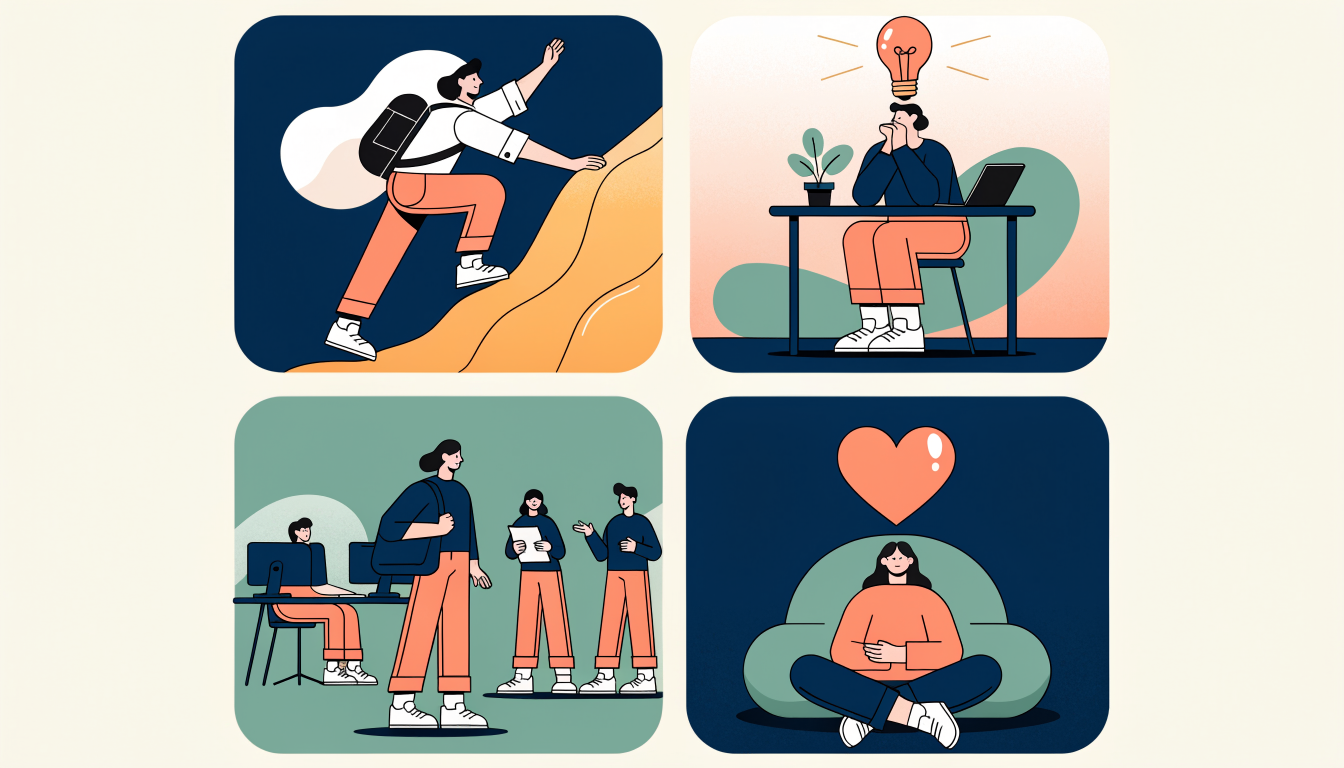
Milestone stories celebrate wins and invite your network to feel invested in your journey. These drive consistent engagement because people naturally want to acknowledge progress. Vulnerability stories, meanwhile, build the deepest trust by admitting struggles nobody usually talks about publicly.
The winning strategy isn't picking one type and sticking with it. Rotate between them. One week, share a lesson learned. The next week, celebrate a milestone. Then post a behind-the-scenes moment. This variety keeps your personal brand dynamic and ensures you're reaching different people with different needs at different times in their careers.
From Story to Opportunity: How Personal Storytelling Converts to Jobs, Clients, and Partnerships
Here's the real payoff of consistent personal storytelling on LinkedIn: it flips the traditional sales funnel on its head. Instead of you chasing opportunities, the right opportunities start finding you.
Research shows that clients often follow your posts for months before reaching out to hire. They're watching how you think, what problems you solve, and whether your values align with theirs. Recruiters discover candidates through consistent storytelling rather than resume scanning. Partnerships materialize when the right people see you repeatedly addressing challenges they care deeply about.
The quality of opportunities matters infinitely more than your follower count. A thousand engaged people who know your work and trust your perspective will generate better clients and partnerships than fifty thousand passive followers. This is where storytelling creates compounding returns; each post builds on the last, reinforcing your positioning and attracting increasingly qualified inbound interest.
But here's what stops most people: they can't see the connection between today's story and tomorrow's opportunity. That's why tracking which story types generate the most engagement becomes critical. Are your career pivot narratives outperforming your industry insights? Do vulnerability-driven posts convert better than achievement-focused ones? Understanding these patterns lets you double down on what actually works for your goals.
This isn't about vanity metrics. It's about deliberately building a body of work that attracts the clients, employers, and collaborators you actually want. The storytelling effort you invest today becomes the opportunity pipeline you benefit from for years to come.
Getting Started: Your Personal Story Template and Next Steps
Here's the honest truth: your first personal story doesn't need to be perfect. It needs to exist.
The best template follows a simple four-part structure that research on real LinkedIn examples shows averages 303 reactions when executed properly. Start with your hook, the opening line that makes someone stop scrolling. What's emotionally at stake? A fear you overcame? A mistake that cost you? Lead with that vulnerability.
Next, paint the struggle. Don't say "I faced challenges." Instead, describe the specific moment: the knot in your stomach, the email you dreaded opening, the conversation that changed everything. Sensory details ground your story in reality and make readers feel what you felt.
Then comes the insight, your earned wisdom. What did you learn? How did your perspective shift? This is where the value lives for your audience. End with a genuine call to action, not a sales pitch. Ask a question that invites others into the conversation: "What's one mistake that actually taught you something?" or "How do you handle rejection?"
Use "I" language throughout. Write like you're texting a colleague, not presenting to a boardroom. Post consistently, aiming for two to three times weekly, and watch how momentum builds. Your second story will feel easier than your first. Your tenth will feel natural. The only barrier between you and real engagement is hitting publish.
FAQ: Common Questions About LinkedIn Personal Stories
How often should I post LinkedIn stories?
Post consistently, not frantically. Weekly or bi-weekly is the sweet spot for most professionals; daily posting exhausts your audience and dilutes impact. Quality always trumps frequency. Think of it like showing up to a networking event: you want to be memorable, not omnipresent.
Should I share my failures and vulnerabilities?
Yes, but strategically. Vulnerability builds connection; oversharing creates discomfort. Share failures that taught you something valuable and connect directly to your work or growth. A story about missing a major client deadline and how you recovered? Gold. A story about your divorce? Keep it private unless it fundamentally shaped your professional perspective.
What about privacy concerns?
Set clear boundaries before you start. Decide which parts of your life are off-limits: family details, financial specifics, health crises. You control the narrative. Stories to approach carefully include deeply personal crises unrelated to work unless they directly connect to professional growth.
How do I know if my story is working?
Track engagement: comments (better than likes), shares, and profile visits in the 24 hours after posting. Comments indicate genuine resonance. If a story gets crickets, analyze what was different. Did you include a hook? Was the lesson clear? Adjust and test again.
How do I avoid sounding like I'm bragging?
Position yourself as the guide, not the hero. Share what you learned for them, not to showcase yourself. The difference: "I closed a million-dollar deal" versus "Here's what I learned from losing three deals before landing the right client." One lands flat; the other lands in inboxes.
The Bottom Line: Personal Stories Are Your Competitive Advantage on LinkedIn
Here's what separates LinkedIn creators who build real influence from those who stay invisible: they share stories. Not perfectly polished narratives, but honest, specific moments that reveal something true about who they are and what they've learned.
The good news? Storytelling is a skill, not a talent. You don't need a background in writing or an extraordinary life. You need consistency, authenticity, and willingness to practice. The 10 examples in this guide prove that vulnerability and specificity compound faster than any algorithm hack ever will.
People hire people they know. They partner with people they trust. They refer opportunities to people they believe in. Personal stories are how you become that person. They drive measurable outcomes: job offers, client inquiries, speaking invitations, partnerships that matter.
The barrier isn't talent. It's execution. Most professionals have stories sitting untold in their experience, waiting to be shaped into posts that actually resonate. Start with one. Use the template we provided. Write it conversationally, as if you're explaining it to a colleague over coffee. Then do it again next week.
The creators winning on LinkedIn right now aren't waiting for perfect circumstances or inspiration. They're building momentum through consistent storytelling. Don't be the person who wishes you'd started sooner. Start today.