LinkedIn Storytelling Framework: 5 Proven Structures for Engagement
Wilmer KarlssonTarstad
Last Updated: November 7, 2026
Key Takeaways
- LinkedIn's algorithm rewards storytelling frameworks over generic advice, generating 5x more engagement
- Five proven frameworks work: STAR Method, Hook-Tension-Turn-Takeaway, Before-After-Bridge, 3-Act Structure, and Challenge-Solution-Impact
- Inbound leads from storytelling close at 14.6% conversion rate versus 1.7% for outbound approaches
- The Golden Hour (first 60 minutes) determines post reach, making early engagement critical to success
What Is a LinkedIn Storytelling Framework and Why It Matters
A LinkedIn storytelling framework is a repeatable narrative structure that transforms your experiences, lessons, and insights into content that resonates deeply with your audience. It's not about being a natural storyteller; it's about following a proven pattern that consistently converts readers into engaged followers and qualified leads.
Here's what matters: the 2026 LinkedIn algorithm has fundamentally shifted. Generic advice, engagement bait, and surface-level tips now face algorithmic penalties. Meanwhile, authentic narratives with real business lessons are being amplified at scale. Stories are LinkedIn's highest-reach format because humans reward them with dwell time, comments, and shares that the algorithm amplifies. This isn't a coincidence. It's deliberate platform architecture designed to surface human connection over hollow metrics.
The business impact is undeniable. Personal stories with business lessons consistently outperform generic advice, getting 5x more comments because they're relatable and authentic. But engagement is just the surface metric. The real conversion happens downstream. LinkedIn storytelling for inbound means you stop chasing prospects and start attracting them through narrative, with inbound leads closing at 14.6% vs 1.7% for outbound.
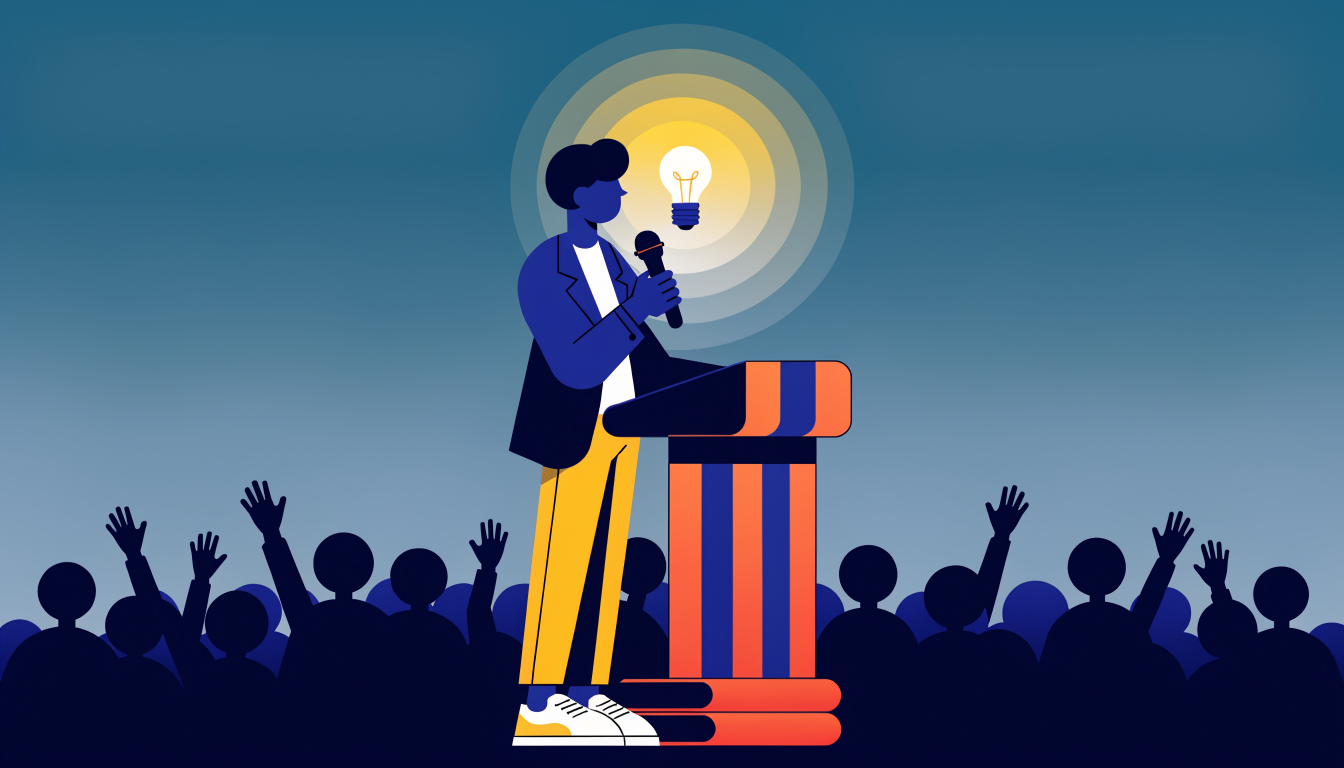
The critical insight: storytelling is structure, not talent. You don't need charisma or a Hollywood-worthy life. You need a framework that guides your narrative from hook to resolution, turning ordinary experiences into content that stops scrolls and drives measurable results.
The 5 Most Effective LinkedIn Storytelling Frameworks
The most effective LinkedIn storytellers aren't winging it. They're using repeatable frameworks that work with the algorithm and human psychology simultaneously. Here are the five frameworks that consistently deliver results.
STAR Method (Situation-Task-Action-Result)
This is your workhorse framework. You set the scene with a specific situation, explain the task or challenge you faced, walk through the action you took, and land on the concrete result. The STAR Method works because it's concise, actionable, and results-focused. Use it for career pivots, problem-solving posts, or professional wins. Example: "I was managing five projects simultaneously (situation). My team was drowning in miscommunication (task). I implemented asynchronous standups using Slack (action). Project completion time dropped 30% (result)."
Hook-Tension-Turn-Takeaway
This framework is built for the LinkedIn feed. Your hook stops the scroll with a bold statement or question. Tension raises the stakes by showing what's at risk. The turn reveals your decision or insight. The takeaway gives readers something transferable they can use immediately. It's repeatable and effective for lead generation because each element serves a specific purpose in keeping attention locked.
Before-After-Bridge
Create stark contrast by showing where someone started versus where they ended up. The bridge explains what changed. This framework works beautifully for transformation stories, client case studies, or personal development posts. It's visual in nature, even in text form. Example: "Before: I was spending 10 hours weekly on admin tasks. After: I cut it to 2 hours. Bridge: I systemized my entire workflow using automation tools."
3-Act Structure
Setup introduces your character and their world. Conflict creates the obstacle or dilemma. Resolution shows how it got solved. Humans are wired to follow narrative arcs; this structure taps into that hardwiring. It works for longer-form posts and carousel content where you have room to breathe.
Challenge-Solution-Impact
This is the B2B storyteller's framework. You identify the specific problem your client faced, explain exactly how you solved it, then quantify the impact with numbers. It's direct, credible, and immediately useful for anyone facing similar challenges. This framework builds authority while helping your audience see themselves in the story.
Each framework serves different purposes. Start with STAR if you're new to storytelling; rotate through the others as your comfort grows. The key is consistency, not perfection.
How to Structure Your Story: The 5-Beat Framework Breakdown
The 5-beat framework is the skeleton every LinkedIn story needs. Master it, and you'll stop wondering why some posts land while others disappear into the feed. Here's how each beat works and why the proportions matter.
Context sets the scene in 1-2 lines maximum. This is where, when, and who you were. "I was a burned-out project manager at a Fortune 500 company" or "Three years ago, I couldn't code." Don't over-explain; readers need just enough to orient themselves. Speed matters here because context isn't the payoff, it's the runway.
Tension is where your story actually begins. This beat takes 2-4 lines and introduces the problem, conflict, or stake. Critically, tension requires uncertainty about the outcome. It's not about drama; it's about genuine doubt. Maybe you faced a conversation you dreaded, a decision with no clear answer, or a deadline that felt impossible. The reader needs to genuinely wonder what happens next. Without this uncertainty, you don't have a story; you have a recap.
Turn is the decision, realization, or moment everything shifted. This happens in 1-3 lines. It's rarely dramatic. Maybe you had a conversation that changed your perspective, received feedback that stung but stuck, or simply decided to try something different. The turn doesn't need to be earth-shattering; it just needs to be real.
Resolution shows what actually happened in 2-3 lines. This is where honesty separates strong storytellers from mediocre ones. Don't manufacture a perfect ending. If the outcome was messy, say so. If you learned something painful, share that. Readers detect false victories instantly and disengage just as fast.
Lesson wraps up in 1-3 lines with the transferable insight. What can your audience apply to their own situation? This is your permission slip to be prescriptive. The lesson isn't about you anymore; it's the bridge between your experience and their action.
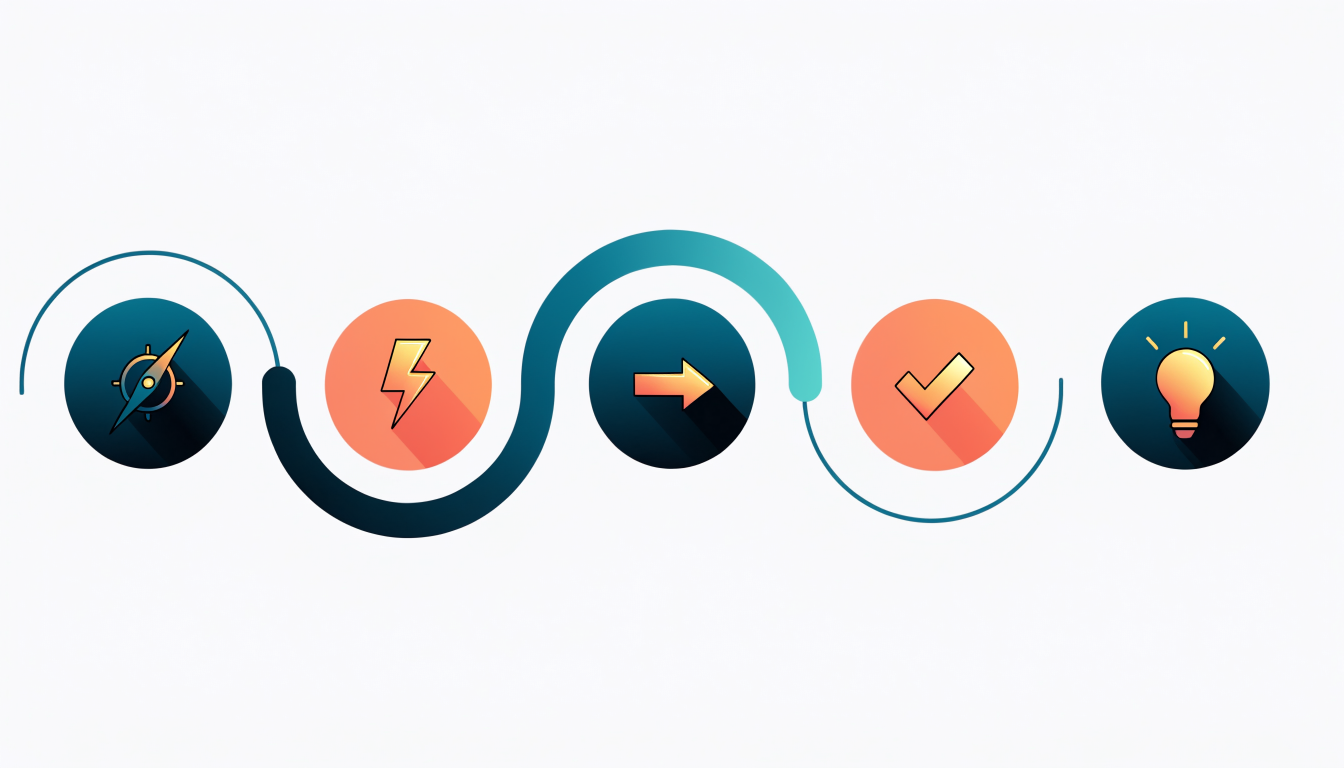
The framework works because storytelling is structure, not talent. You don't need to be a natural writer to follow these beats. You need to be honest and deliberate about proportion. Most LinkedIn posts fail because writers spend eight lines on context and one line on tension, reversing what actually captures attention. Stick to these line counts, honor the uncertainty, and your story will perform.
Why These Frameworks Generate Engagement and Inbound Leads
The reason storytelling frameworks work on LinkedIn comes down to two converging forces: human psychology and algorithmic incentives that now reward the same behaviors.
People trust people, not corporations. Research shows that 74% of people trust their peers over CEOs, which means your personal narrative carries more persuasive weight than any polished brand message. When you structure a story with tension, vulnerability, and resolution, you're tapping into how our brains are wired to process information. We don't remember data points; we remember how you made us feel.
The algorithm amplifies this psychological advantage. Posts featuring real human faces generate 36% more clicks, 25% more comments, and 74% more trust-based reactions compared to corporate imagery. But engagement metrics alone don't drive the algorithm anymore. The 2026 LinkedIn algorithm prioritizes what matters: dwell time (how long someone sits with your post), comment quality (thoughtful replies over emoji reactions), and thread engagement (conversations that extend beyond the first comment).
Here's where frameworks become essential. A well-structured story naturally increases dwell time because readers stay engaged through the narrative arc. Quality comments follow because frameworks create clear points worth discussing. People want to respond to specificity, not vagueness.
The business outcome validates this approach. Inbound leads generated through authentic storytelling close at 14.6% conversion rates, substantially higher than traditional outbound prospecting. This isn't coincidental. When someone chooses to engage with your story, they've already self-qualified as interested. They're not a cold lead; they're a warm prospect who trusts you enough to respond.
This is why frameworks aren't optional in 2026. They're the mechanical bridge between psychological human need and algorithmic reward, turning casual scrollers into qualified leads.
Common Mistakes That Sabotage Your LinkedIn Stories
The storytelling mistakes you make today will tank your reach tomorrow. The era of "bro-poetry" with single-sentence paragraphs and manufactured suspense is officially dead; the algorithm now actively penalizes it. Readers scroll past melodrama faster than ever.
Engagement bait is equally toxic. Asking readers to "Comment yes if you agree" or "Tag someone who needs this" doesn't boost your visibility anymore; it actually hurts it. The algorithm rewards genuine interaction, not performative call-to-action traps.
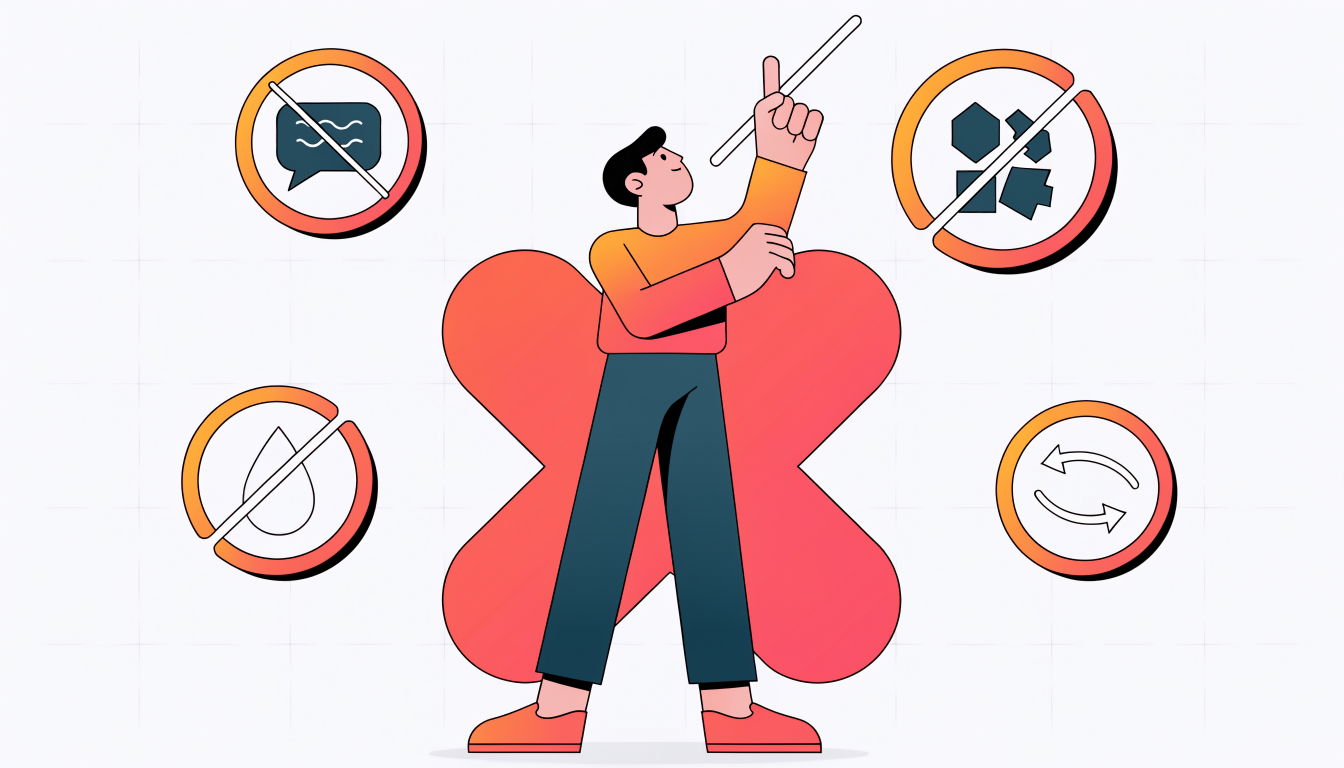
Manufactured vulnerability is another silent killer. Sharing pain purely to farm engagement backfires because audiences detect inauthenticity instantly. Your struggles only land when they're tied to genuine insight, not performative confession.
Abstract language and jargon erect barriers between you and your audience. Concrete moments outperform abstract ideas in B2B storytelling; show the specific moment, not the buzzword-laden concept.
Finally, unclear takeaways leave readers hanging. Your story needs a landing point: what should they do, feel, or understand differently? And don't ignore the Golden Hour; responding to early comments signals authenticity to the algorithm and your audience alike.
Implementing Your Storytelling Framework: From Idea to Post
Your daily work is already full of story material. A client conversation, a decision you regretted, a process you streamlined, a mistake that taught you something valuable. The challenge isn't finding stories; it's extracting them systematically and structuring them for impact.
Begin by capturing these moments as they happen. Jot down what happened, what you felt, and what changed as a result. This becomes your raw material. Then match your story to the right framework based on what you want to achieve.
If you're showcasing personal growth or a business transformation, use the Before-After-Bridge structure. Lead with where you started, jump to where you ended up, then explain the pivot that made the difference. For client success stories, apply the CSI framework: Context (the situation), Story (what unfolded), and Insight (what it means). Founder lessons and career turning points work best with Hook-Tension-Turn-Takeaway, which builds curiosity and delivers real value.
Now comes the formatting. B2B audiences respond to professional tone with visual breathing room and specific examples. Use short sentences. Add line breaks between ideas. Remove unnecessary words. This isn't casual rambling; it's structured clarity that respects your reader's time.
Timing matters more than you think. Posts that gain engagement in the first 60 minutes trigger expanded algorithmic reach. Post when your audience is actually online, then respond to every comment within that Golden Hour window. This signals to LinkedIn that your content deserves distribution.
If you're wrestling with structure, use an AI writing assistant to help organize your thoughts and optimize for engagement patterns. The frameworks work; the execution is what separates posts that disappear from those that compound your credibility over time.
FAQ: Storytelling Framework Questions Answered
Q: My career doesn't seem interesting enough for storytelling. What do I do?
Stop looking for dramatic moments. The best LinkedIn stories aren't about landing a massive deal or surviving a crisis; they're about the decisions you made, the mistakes you learned from, and the small shifts that changed your thinking. A story about realizing you were managing people wrong, then fixing it, resonates far more than a vague success post. Your "boring" career is actually full of these moments. You just need to look for the turning points rather than the headline events.
Q: Should I automate my storytelling?
No. Automate the distribution and engagement, but never the storytelling itself. Authenticity is the point, and people can sense when a story feels templated or generated. Write your stories yourself. Use tools to schedule them and manage comments, but the voice and vulnerability have to be genuinely yours.
Q: How often should I post?
Consistency beats perfection, with 2-3 substantial posts per week outperforming daily superficial updates. Three meaty stories compound better than seven throwaway updates. The algorithm rewards depth and engagement over frequency.
Q: What if my story doesn't get traction?
Not every post goes viral, and that's fine. Storytelling builds authority over time, not overnight. Each story you share positions you as someone who reflects, learns, and shares openly. That consistency matters more than any single post's performance.
Q: Which framework should I use?
Match the framework to your goal. Use Before-After-Bridge for transformation stories, Challenge-Solution-Impact for authority, and Hook-Tension-Turn-Takeaway for inbound. Customer stories work powerfully for B2B lead generation when structured as Challenge-Solution-Impact.
Key Takeaways: Master Your Storytelling Framework
The frameworks you've learned aren't theoretical exercises; they're the operating system behind every LinkedIn post that stops the scroll. Here's what separates people who dabble in storytelling from those who build real momentum on the platform.
Pick one framework and own it. STAR, Hook-Tension-Turn-Takeaway, Before-After-Bridge, 3-Act, or CSI. Each works. The mistake most people make is sampling all five simultaneously. Instead, commit to mastering a single structure for 30 days. Once you internalize the beats and see what resonates with your audience, expanding to a second framework becomes natural.
Structure beats prose. You don't need to be a polished writer to win on LinkedIn. Follow your chosen framework's beats precisely, and the story does the heavy lifting. This is liberating because it means consistency matters more than perfection.
Blend personal with professional. Stories that weave your genuine experience into a business lesson generate roughly 5x more engagement than either alone. Your audience doesn't want corporate theater; they want the real lesson wrapped in a real moment.
Activate the Golden Hour. Respond to every comment in your first 60 minutes after posting. This signals to LinkedIn's algorithm that your content sparks conversation, which amplifies reach exponentially. It's not optional if you're serious about growth.
Track what converts. Monitor which stories generate qualified engagement and actual inbound conversations, not just vanity metrics. Replicate those patterns ruthlessly. Your data reveals your audience's actual priorities, which often surprises you.
Start implementing today. One framework. One story. One week of consistency.
Transform Your LinkedIn Presence with Storytelling and the Right Tools
The frameworks in this guide aren't theoretical. They're the difference between posts that disappear into the feed and content that compounds your authority over months and years. In 2026, the LinkedIn algorithm doesn't reward polished perfection or engagement bait. It rewards authentic narratives with clear structure. That's why 80% of all B2B leads generated through social media come from LinkedIn - because structured storytelling converts attention into relationships.
Here's what separates consistent performers from the rest: they don't rely on inspiration. They use systems. They pick one framework and deploy it weekly until it becomes muscle memory. They measure what works. They optimize based on data, not gut feel.
This is where the right tools make all the difference. AI-powered content platforms help you generate story ideas faster, optimize headlines for the algorithm, and track which frameworks drive the most engagement and inbound leads. You're not replacing your voice; you're amplifying it. You're removing friction from the process so you can focus on authenticity while the system handles distribution and optimization.
Start this week. Choose one framework from this guide. Write one post using that structure. Note the engagement. Then do it again next week. By month two, you'll see the compounding effect. Authentic storytelling plus consistent execution equals inbound authority.
The creators winning on LinkedIn right now aren't the most talented. They're the most systematic. You have the frameworks. Now build the habit.